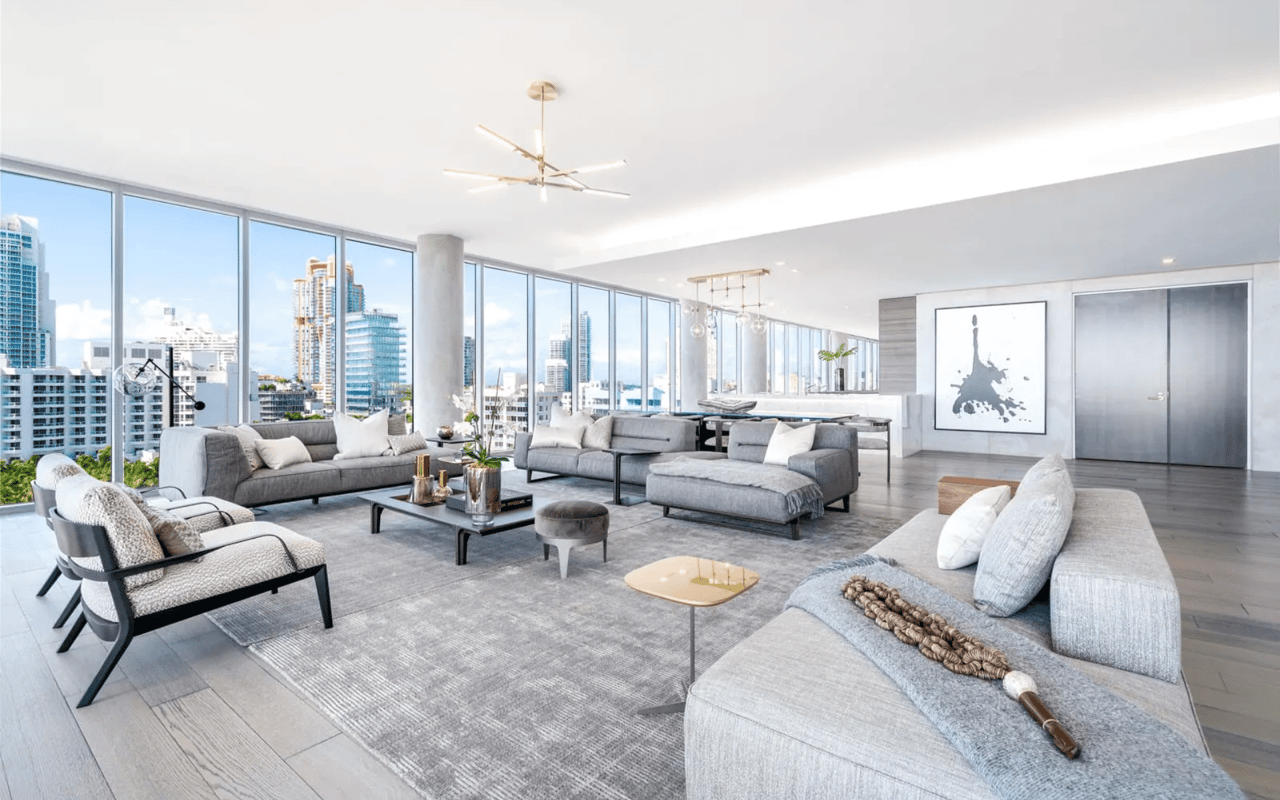
What if your daily walk to coffee felt like a design tour? In South Beach, you live among pastel façades, curved corners, and neon canopies that turn every errand into an aesthetic moment. If you love architecture, this guide shows you how Art Deco and Mediterranean Revival design shape everyday life here, what to expect as a homeowner or buyer, and how to approach the market with clarity. Let’s dive in.
What “South Beach” means
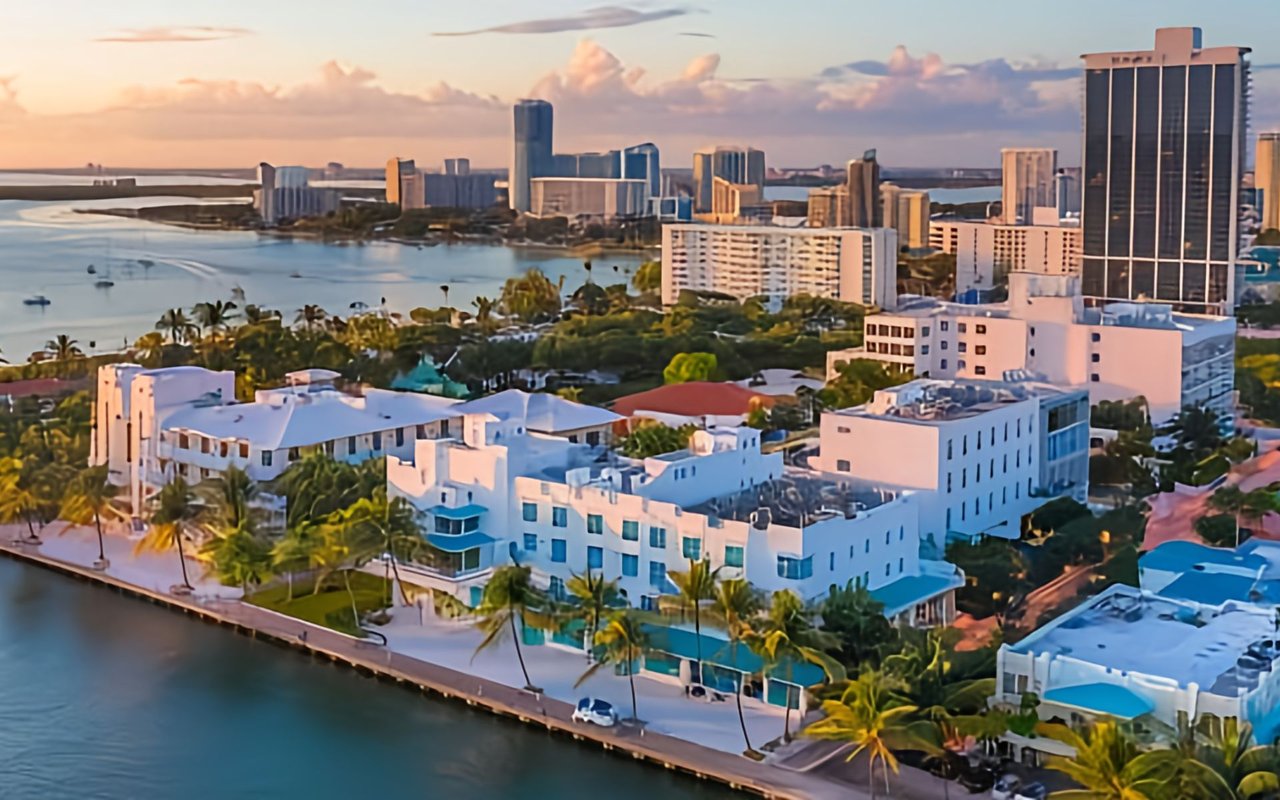
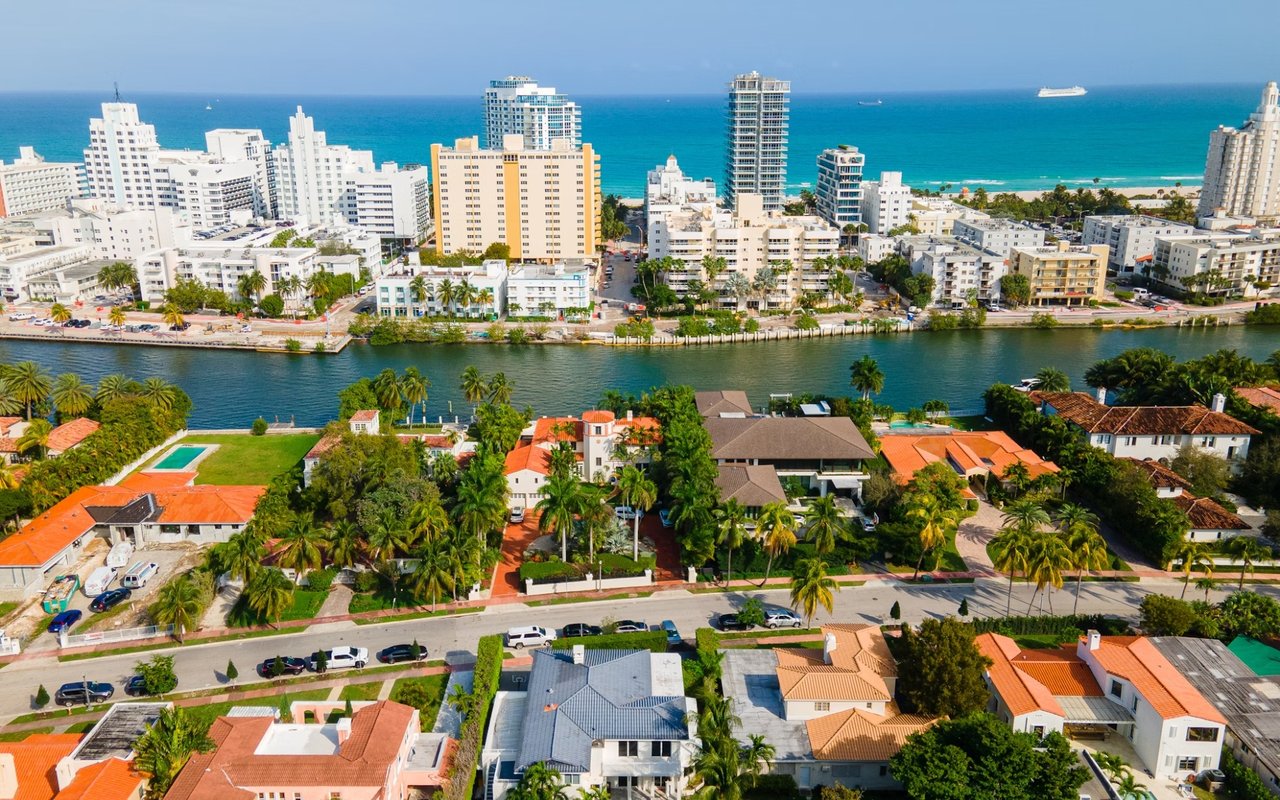
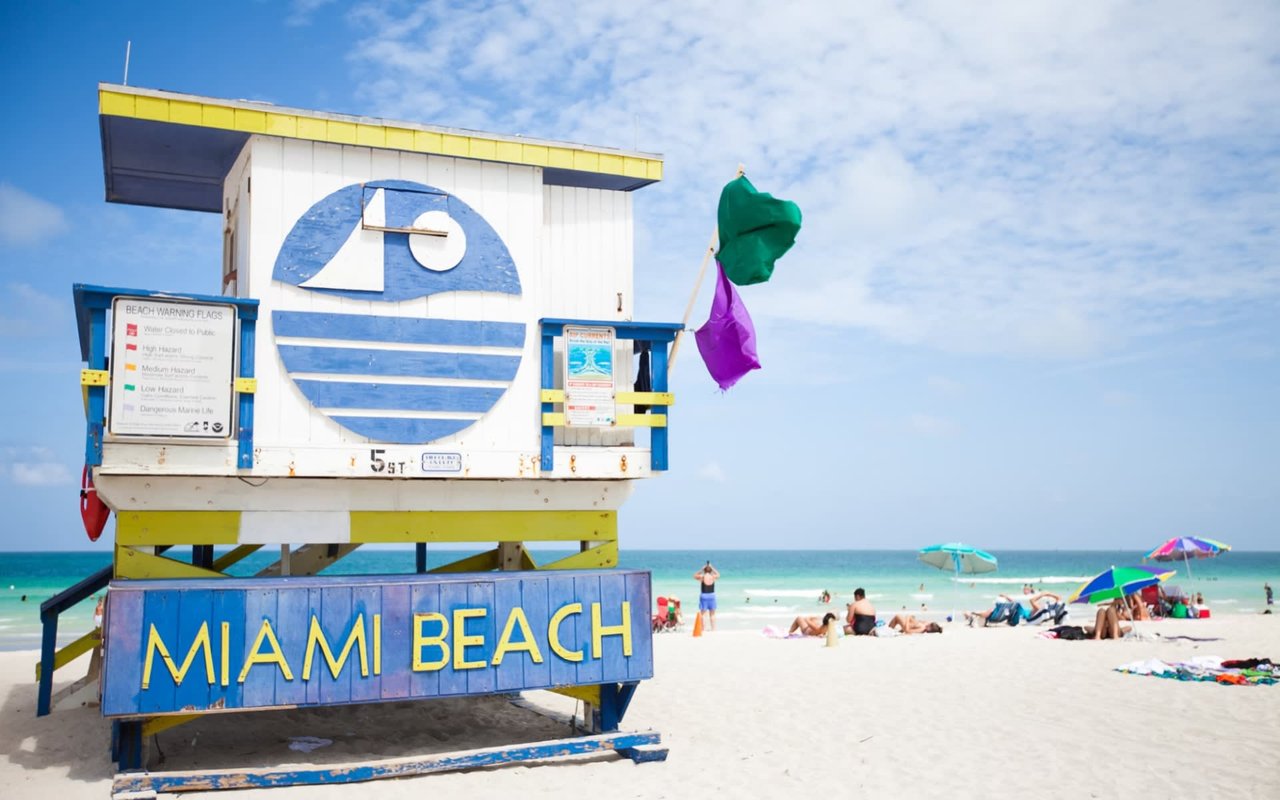
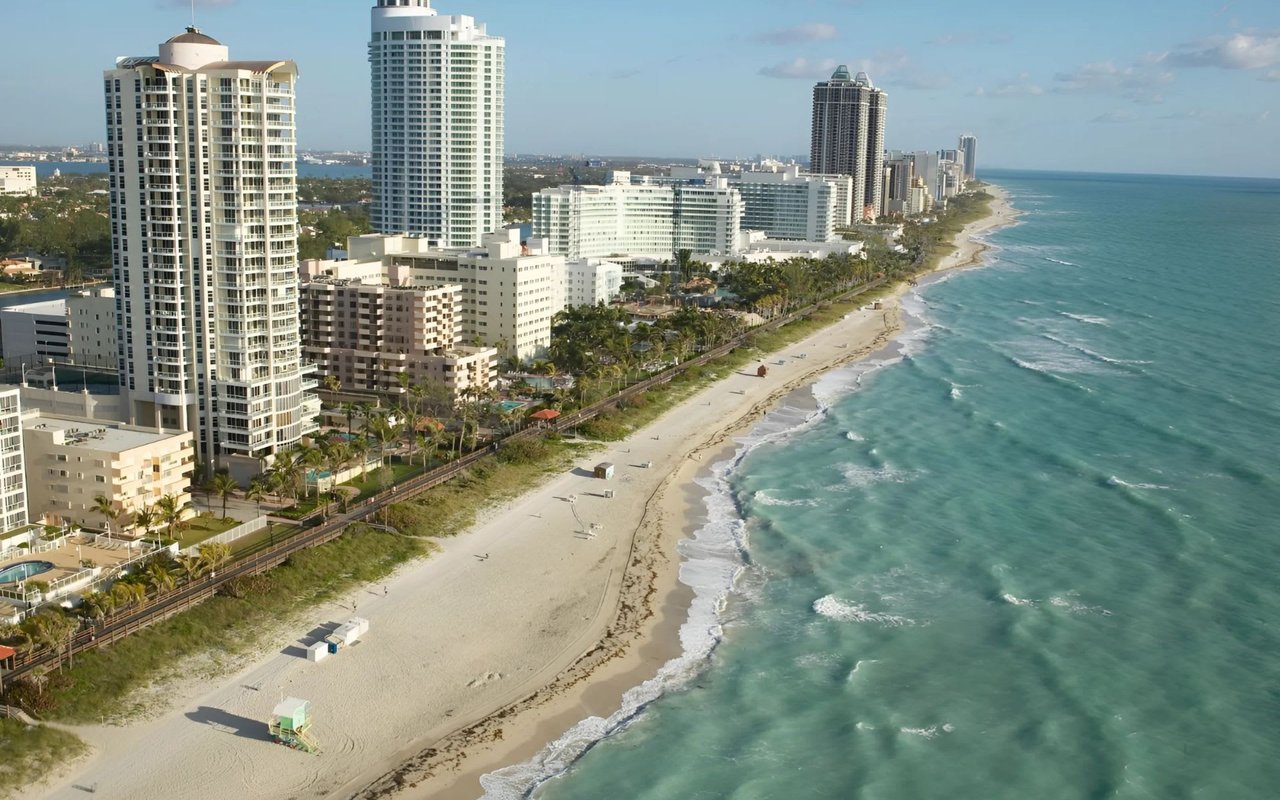
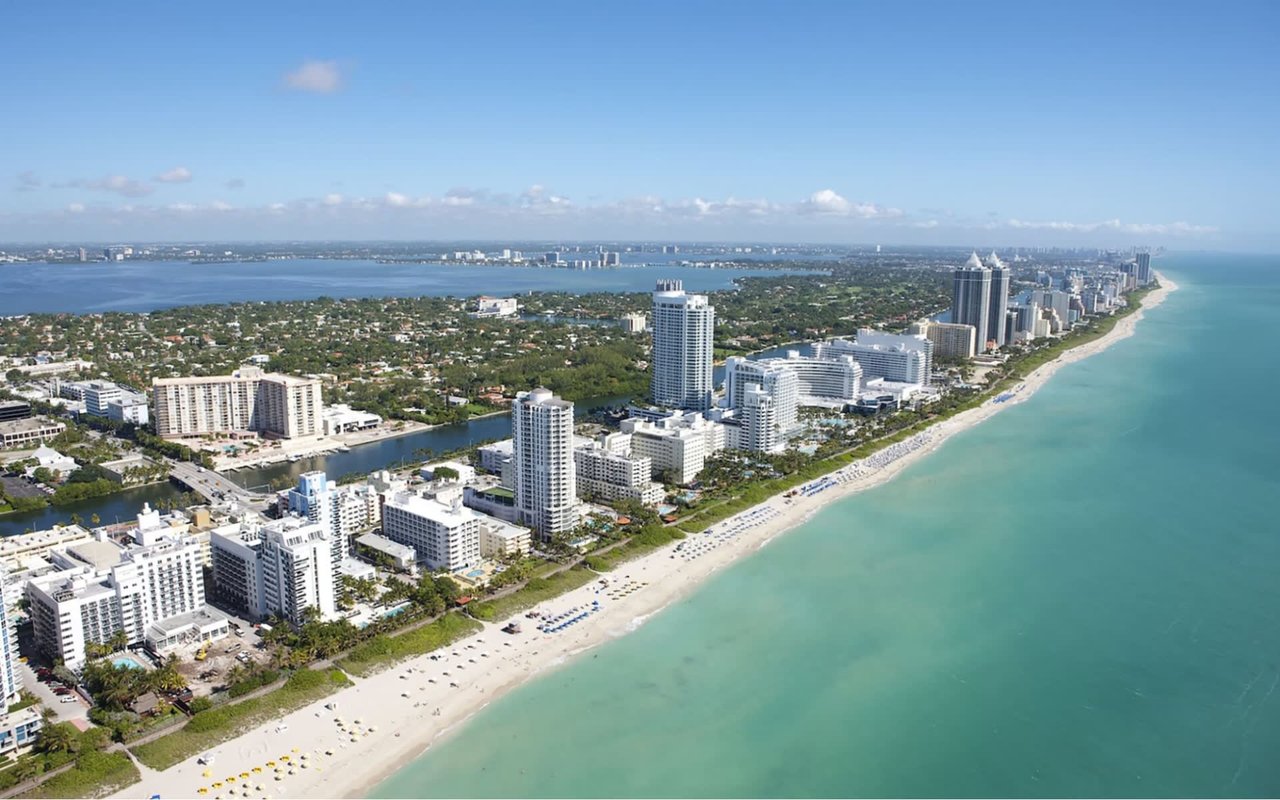
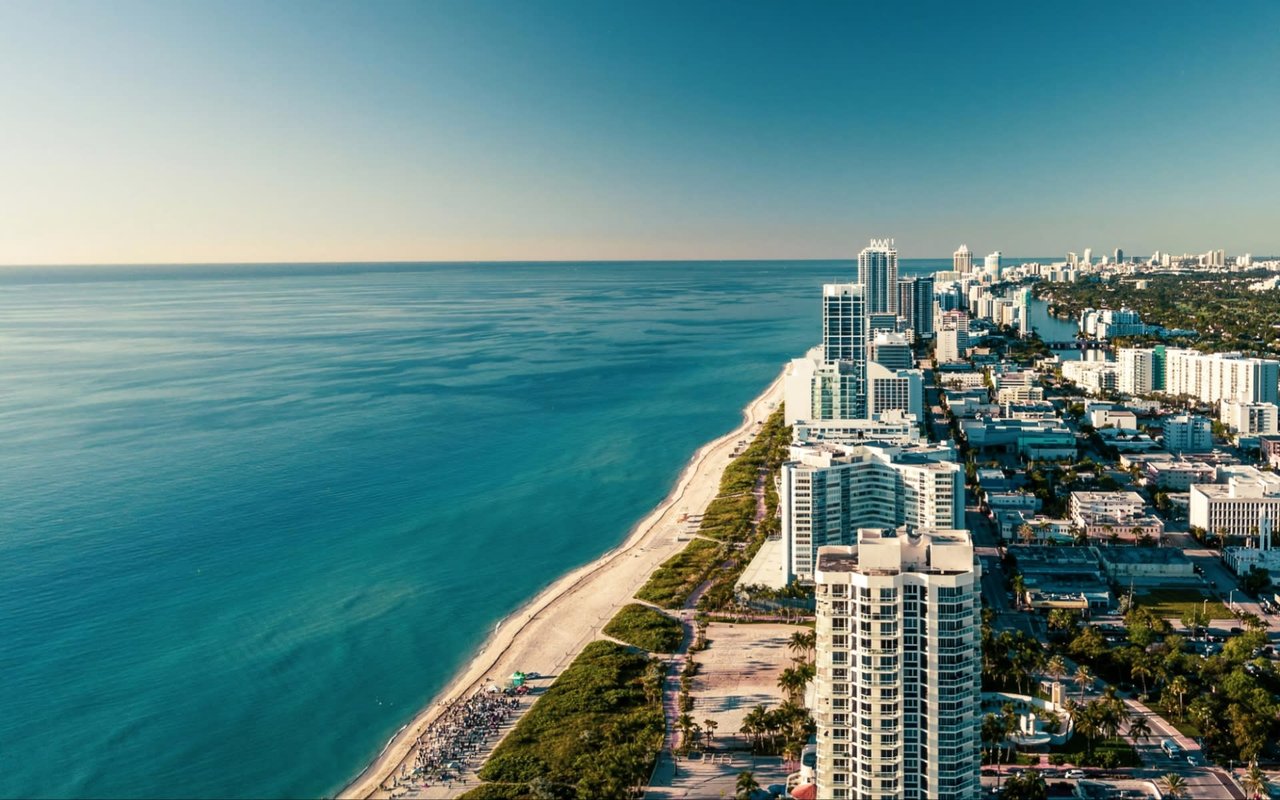
South Beach is the southern portion of Miami Beach, centered on Ocean Drive, Collins Avenue, Lincoln Road, and the blocks east of Alton Road. It holds the city’s most concentrated collection of historic buildings in Art Deco, Streamline Moderne, and pockets of Mediterranean Revival. You feel that history on nearly every block, from hotel canopies to courtyard entries.
A short design timeline
Mediterranean Revival roots
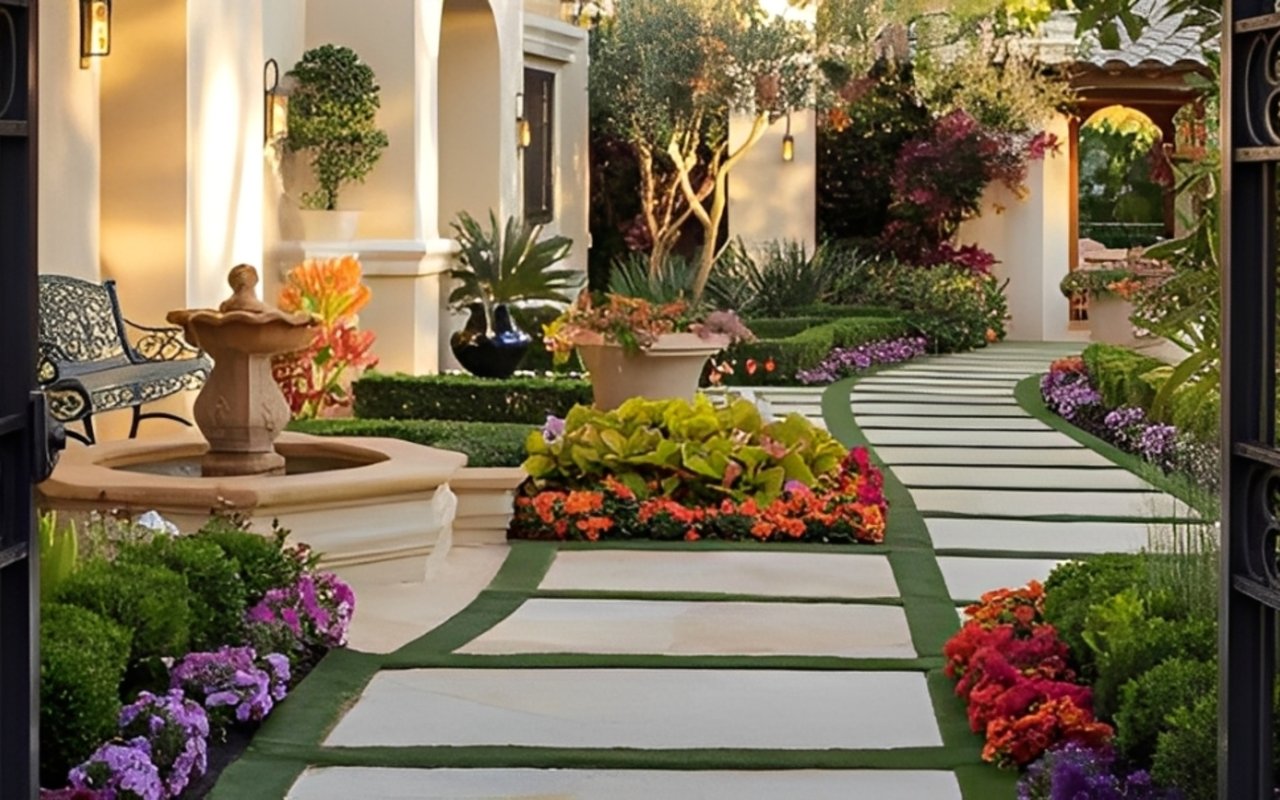
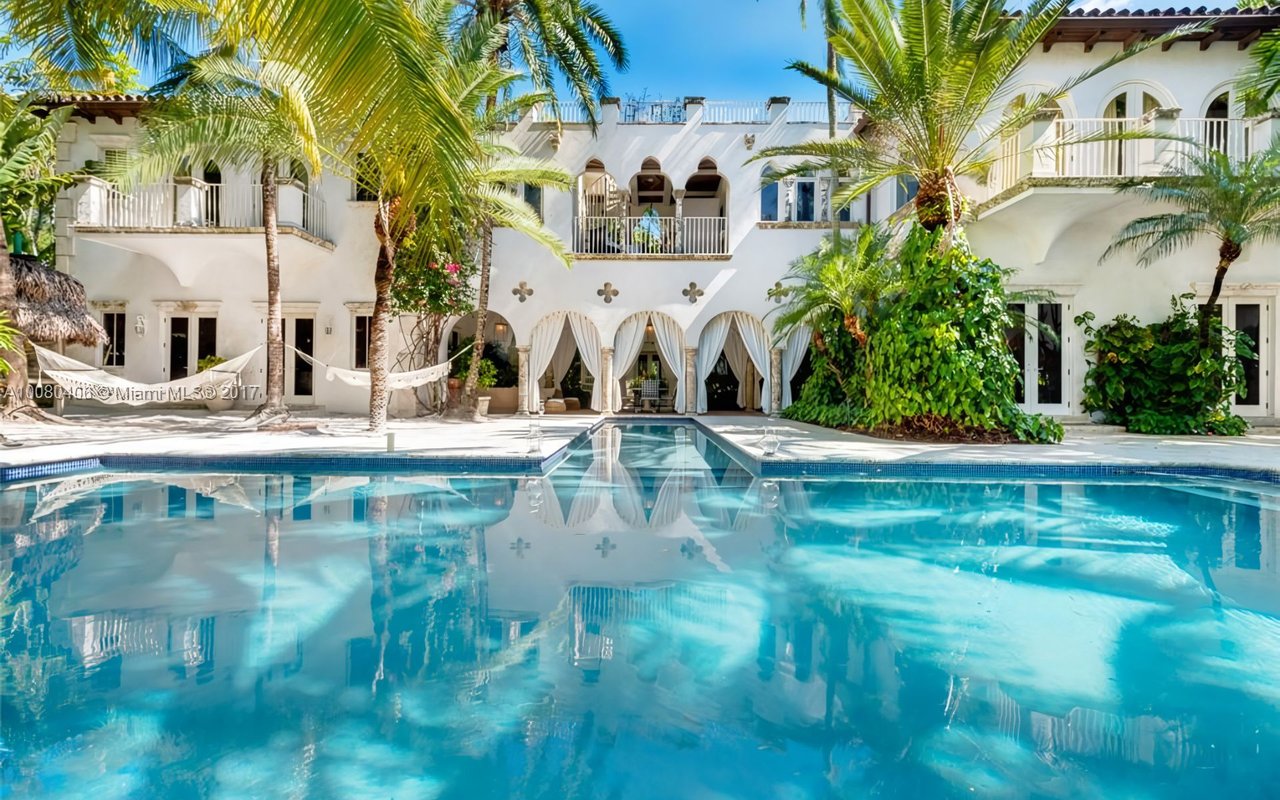
In the 1920s Florida land boom, Mediterranean Revival set the early resort tone. Look for stucco walls, terracotta roof tiles, arched loggias, wrought‑iron balconies, and sheltered courtyard plans. These buildings established the texture of garden courts and shaded passages that still influence how people move through the neighborhood.
Art Deco and Streamline Moderne rise
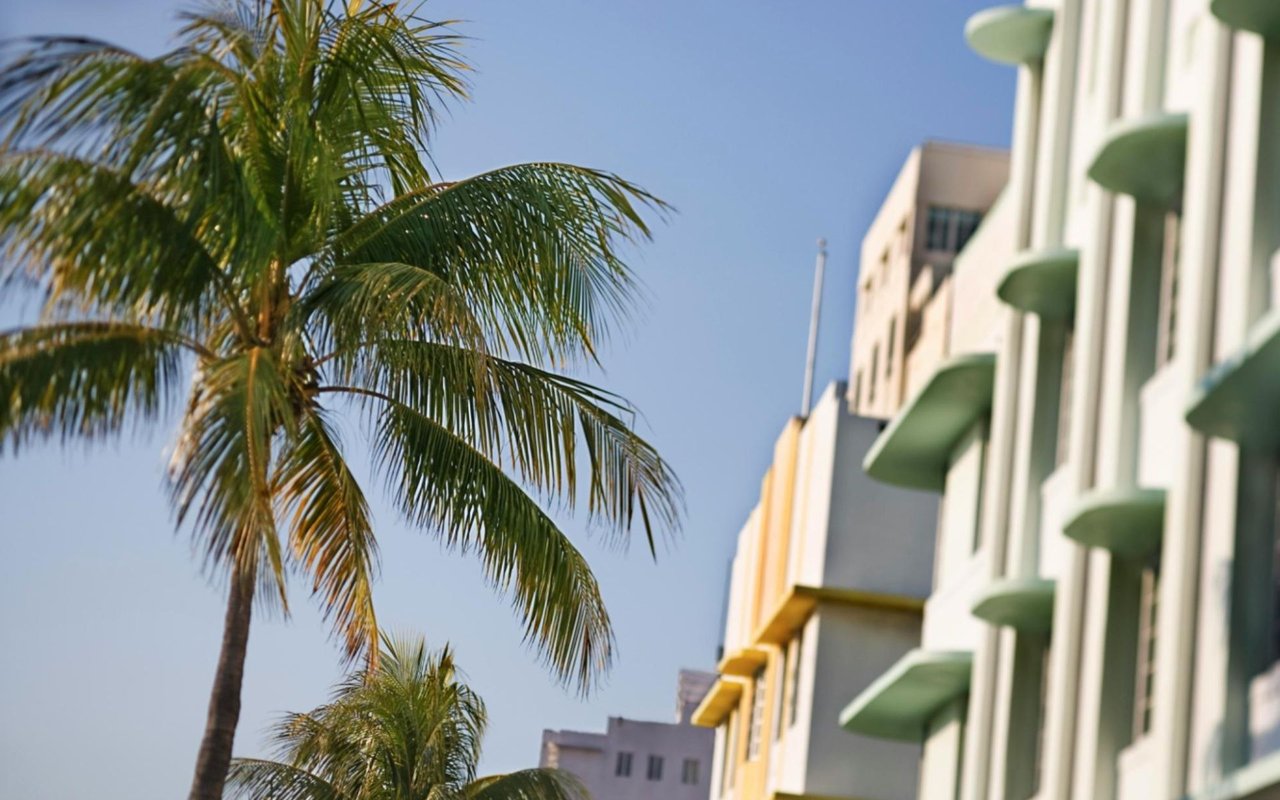
From the late 1920s through the 1940s, Art Deco and Streamline Moderne defined South Beach. Geometric ornament, horizontal banding, curved corners, glass block, porthole windows, and pastel colors expressed a confident, machine‑age optimism. Hotels and apartments embraced asymmetrical entrances and canopies that animate the sidewalk and invite you in.
Midcentury and later infill
Postwar MiMo and later insertions appear in pockets. The mix gives South Beach a layered streetscape, with historic hotels beside newer buildings, all tied together by walkability and active ground floors.
How architecture shapes daily life
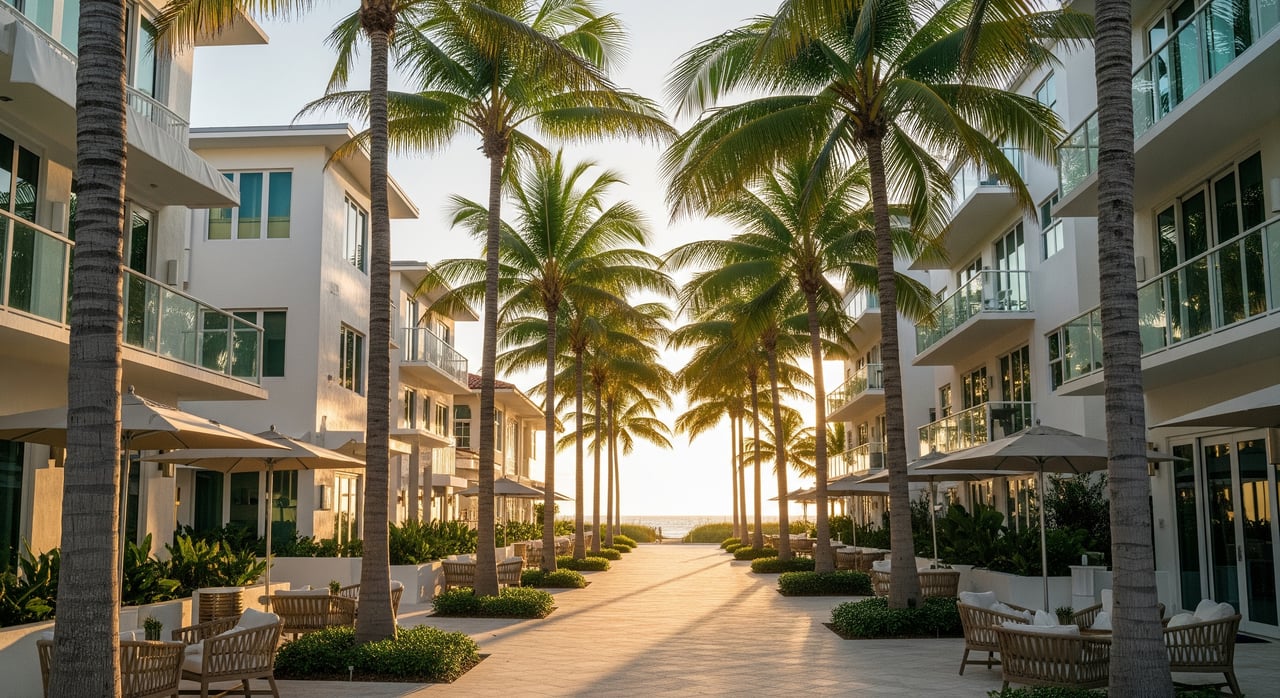
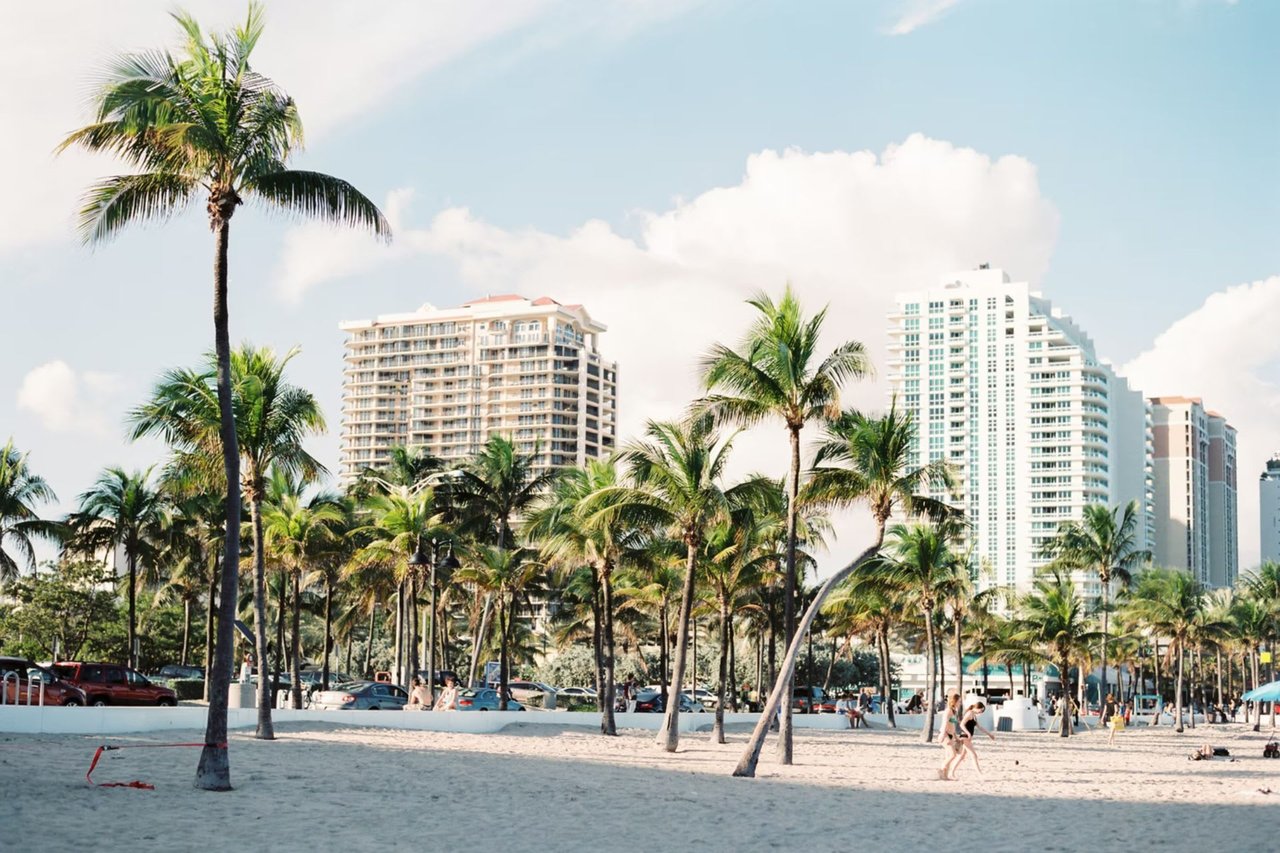
Human‑scale blocks and animated storefronts make walking the default. Many buildings began as compact hotels or modest apartments, so the neighborhood offers a high density of cafés, restaurants, and shops at the ground level. Public spaces like Lummus Park, Lincoln Road’s pedestrian mall, and South Pointe Park act as outdoor living rooms.
Expect a rhythm of morning beach walks, coffee under a canopy, and evening strolls past neon signage. Seasonal festivals and design‑focused events bring extra energy, while off‑season days feel slower and more neighborly.
Streets and landmarks to know
Ocean Drive
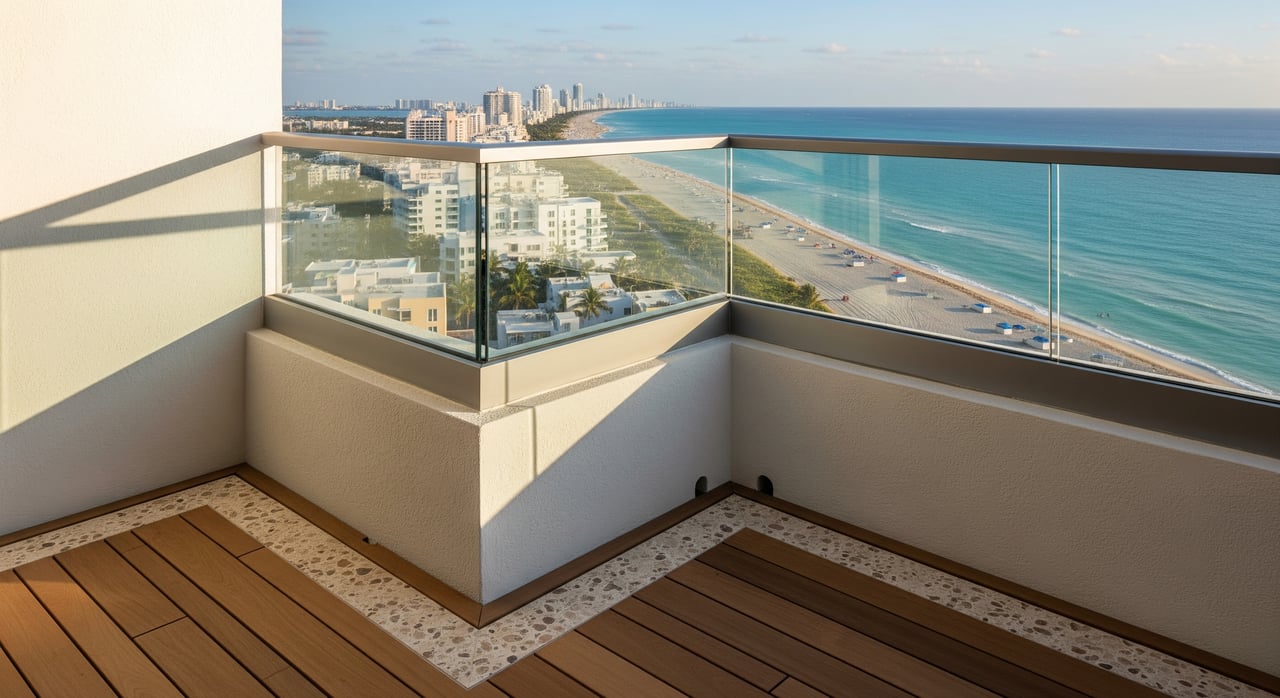
An iconic oceanfront promenade lined with historic hotels and sidewalk cafés. Lummus Park sits between the buildings and the sand, so you can go from breakfast to the beach in minutes.
Collins Avenue
A longer commercial spine with vintage hotels, retail, and newer high‑rises. You see the neighborhood’s architectural evolution in one glance.
Lincoln Road
A pedestrian mall for shopping, dining, and outdoor sculpture. Its plazas and seating invite people‑watching and spontaneous meetups.
Española Way
A short, Mediterranean Revival street with a village feel. Arches, balconies, and intimate scale make it a favorite for relaxed dinners and weekend strolls.
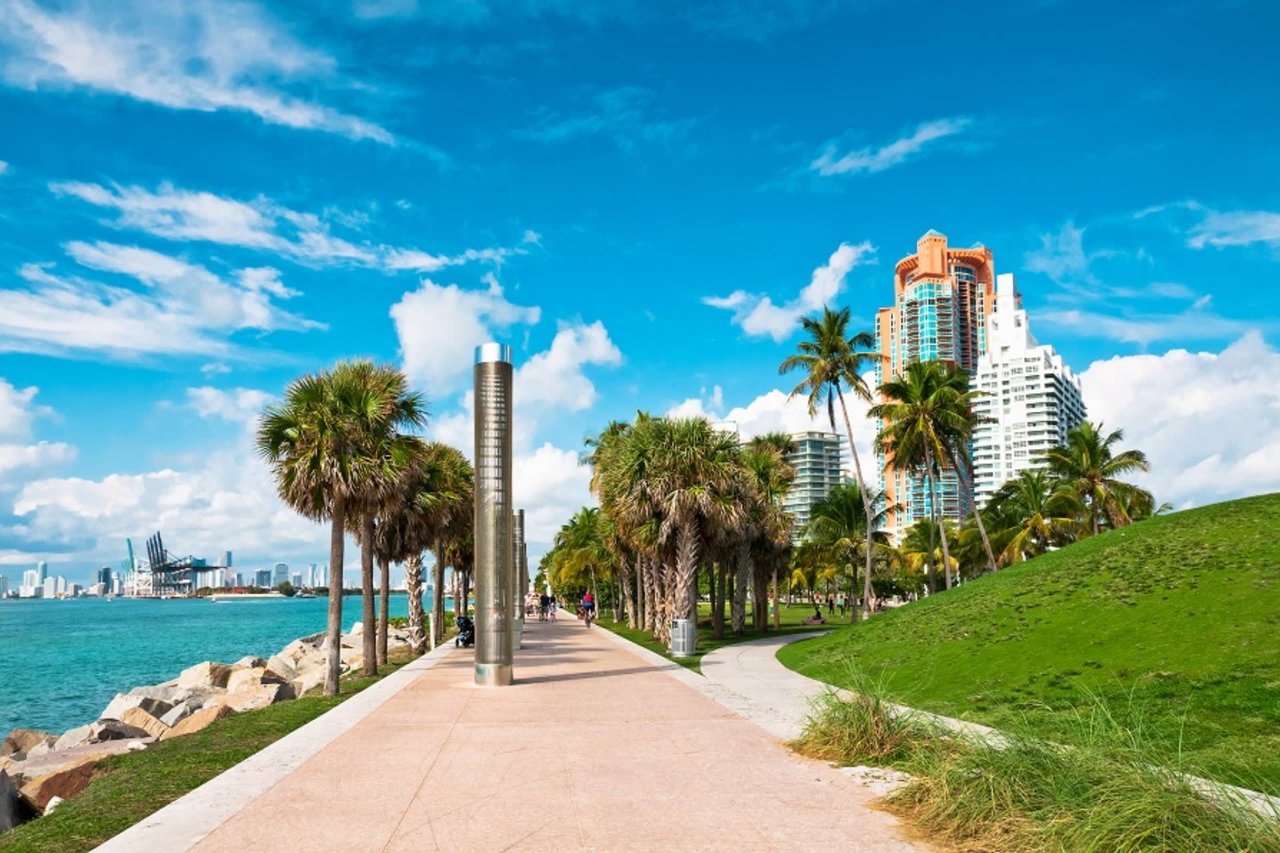
South Pointe Park
At the tip of the island, this waterfront park offers green space and views of passing ships. It is a go‑to for sunset walks and outdoor fitness.
Cultural anchors
The Bass, the New World Center, and the Art Deco Welcome Center underscore South Beach’s design identity. Annual events, including Art Basel Miami Beach, raise the international art profile and increase seasonal activity.
Spot the details: a design checklist
Art Deco and Streamline Moderne
- Curved building corners and ribbon windows
- Stepped or ziggurat parapets
- Bas‑relief ornament with sunbursts, chevrons, and tropical motifs
- Glass block walls and porthole windows
- Streamlined horizontal banding and neon signage
- Asymmetric façades that spotlight entries and canopies
Mediterranean Revival
- Stucco façades and terracotta roof tiles
- Arched windows and loggias
- Wrought‑iron balconies, gates, and railings
- Courtyard gardens and masonry detailing
Color and night glow
- Pastel palettes in pink, aqua, mint, and pale yellow
- Historic neon that adds a cinematic glow after dark
Living with history: rules and reality
South Beach’s historic districts are recognized at the local, state, and federal levels. The City of Miami Beach manages these resources through a Historic Preservation Board and published design guidelines. If you plan exterior changes visible from public streets, you typically need review and permits, often a Certificate of Appropriateness. Signage, awnings, and color choices are commonly regulated.
Within historic districts, buildings may be designated “contributing” or “non‑contributing,” which affects the level of review. There are also federal rehabilitation tax credits for certified historic structures that are income‑producing and meet specific standards. Homeowner eligibility is narrower, and many incentives focus on commercial or income‑producing rehabilitation rather than owner‑occupied homes.
The practical takeaway is simple. You can personalize interiors freely, while exterior work requires more planning. Build time for approvals into your project, and work with professionals who understand local guidelines.
The real estate landscape
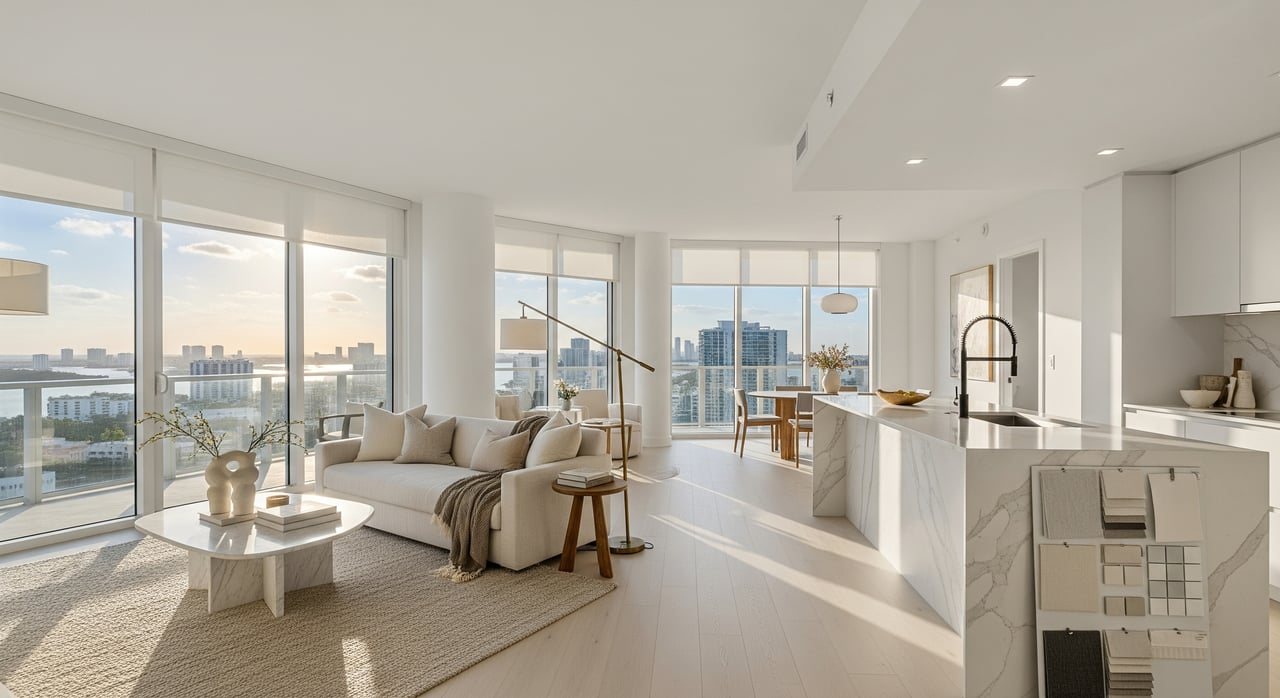
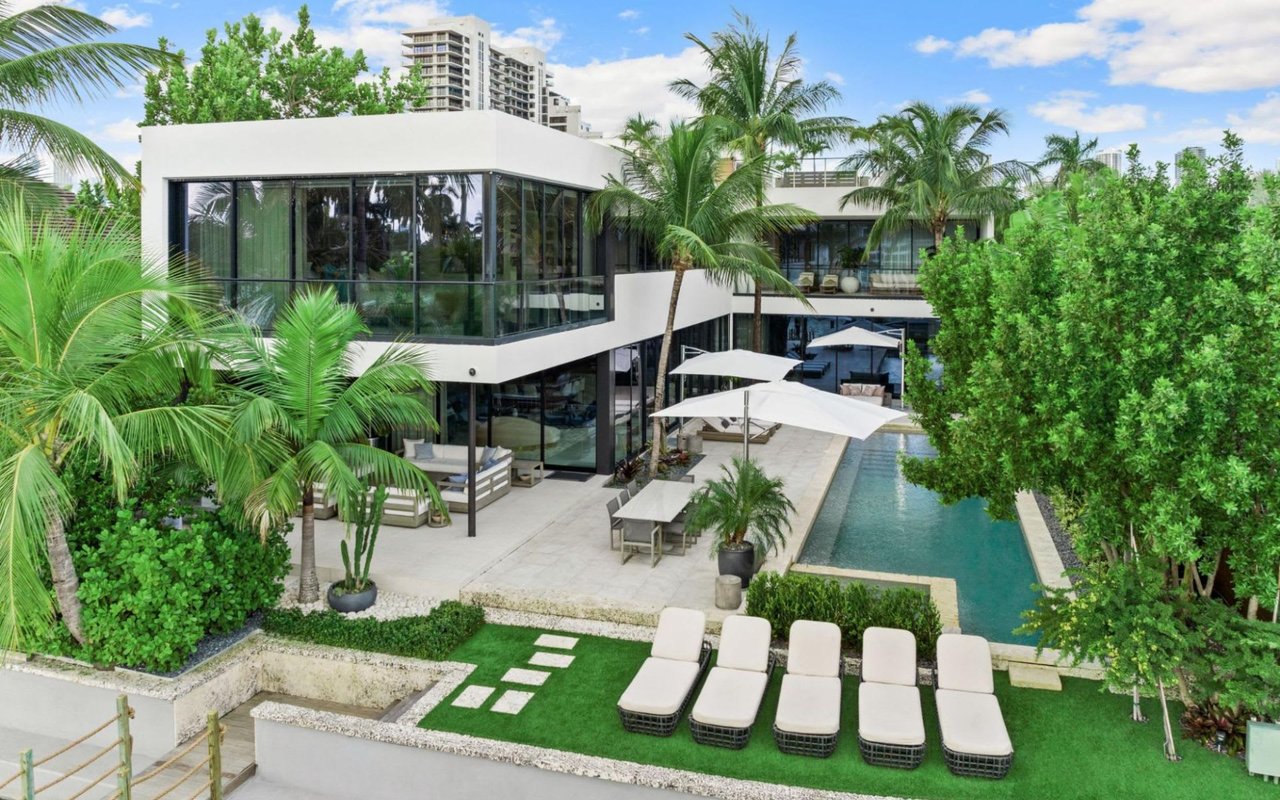
South Beach’s design character and beach proximity create strong appeal and a lifestyle premium. The housing stock leans toward condos and multi‑unit buildings, many with compact floor plans that echo the area’s hotel history. Expect homeowners’ associations, shared systems, and building rules to be part of the conversation.
Historic status can limit certain exterior alterations and signage. Maintenance and repair of older roofing, windows, façades, and mechanical systems may cost more than in newer buildings. Plan for ongoing stewardship and, in condos, review how the association manages capital projects and reserves.
Short‑term rental regulation is a major variable. Miami Beach has a long history of regulating vacation rentals and short‑term occupancy, with changing compliance requirements and enforcement. Do not rely on short‑term rental income assumptions without checking current city code and, where needed, consulting a local real‑estate attorney.
Practical considerations for buyers
Walkability and transportation
Daily needs are often within walking distance. You also have local bus routes and a free trolley service, though routes and hours vary. Car ownership is common, but parking can be constrained and expensive, so check for garages, assigned spaces, or valet options.
Seasonal rhythms and tourism
High season and major events bring crowds and traffic. Some businesses adjust hours seasonally. Take time to visit at different times of day and different months to understand noise and foot traffic on your target block.
Flooding, resilience, and insurance
South Beach is a low‑lying coastal area with periodic tidal flooding, storm‑surge exposure, and long‑term sea‑level rise considerations. The city has invested in resilience projects, including pumps, street raising, and seawall improvements, yet flood risk remains a factor for access, insurance costs, and future maintenance. Review FEMA flood maps, current insurance requirements and premiums, and any city resilience plans that affect the property.
Building condition and systems
Historic buildings can have older plumbing, electrical, and HVAC systems. In condos, major needs like roofs, façades, elevators, and structural repairs are often handled by the association. Conduct a thorough review of association documents, reserve studies, past and planned assessments, and recent or upcoming capital projects. Coastal conditions speed corrosion and wear, so work with inspectors and contractors who know historic coastal buildings.
From sidewalk to interiors
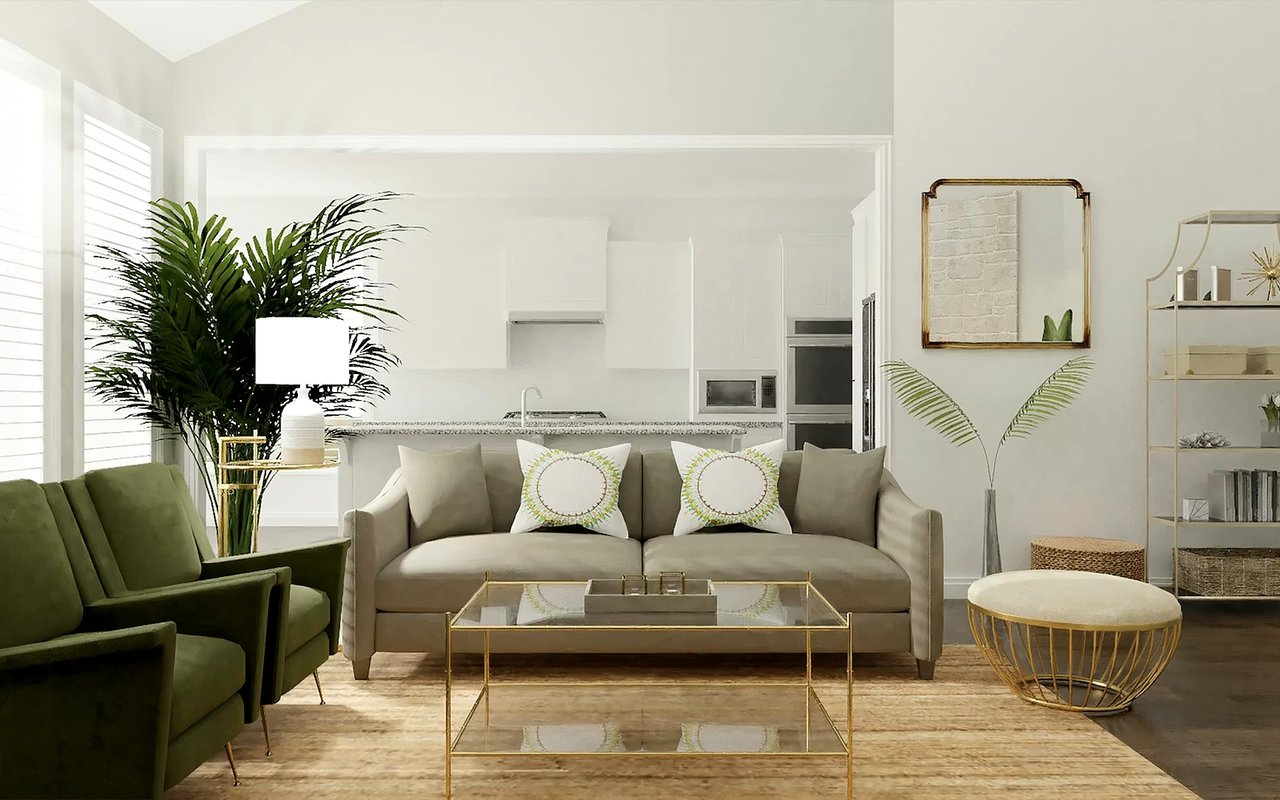
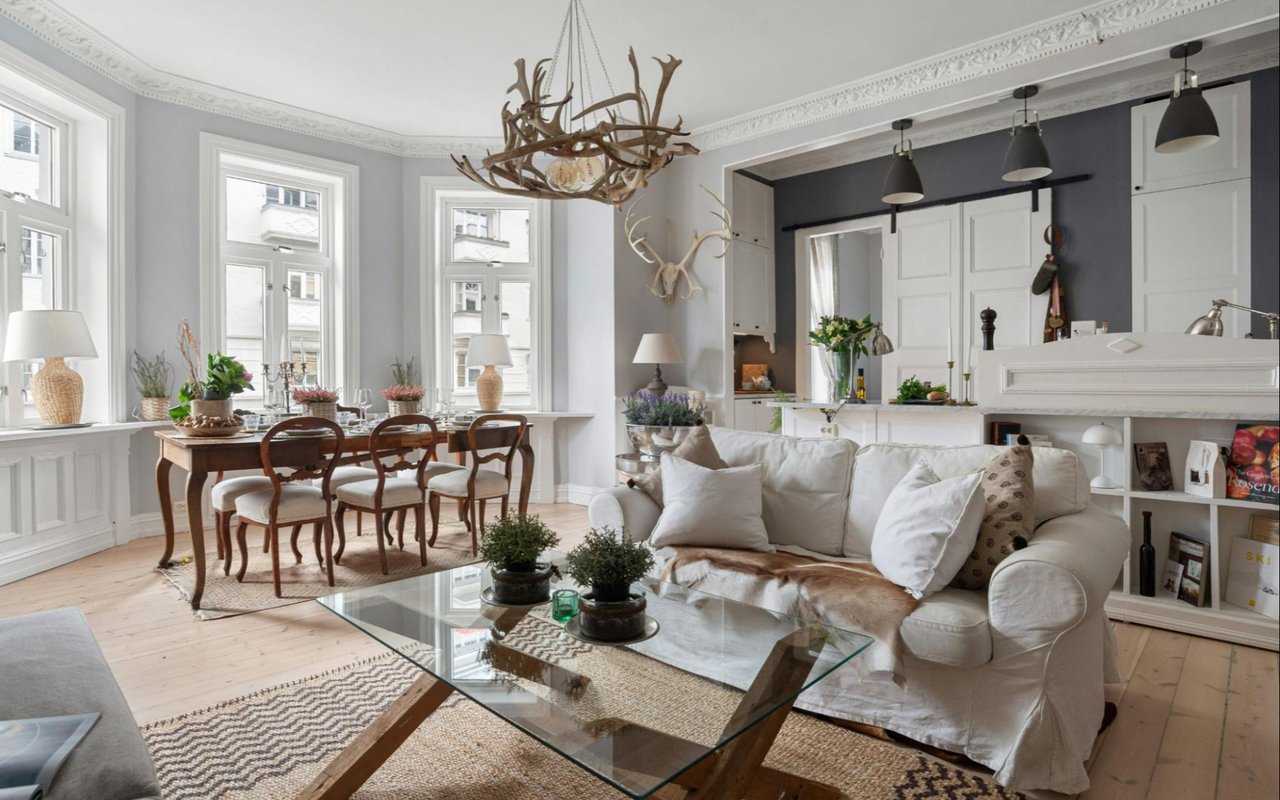
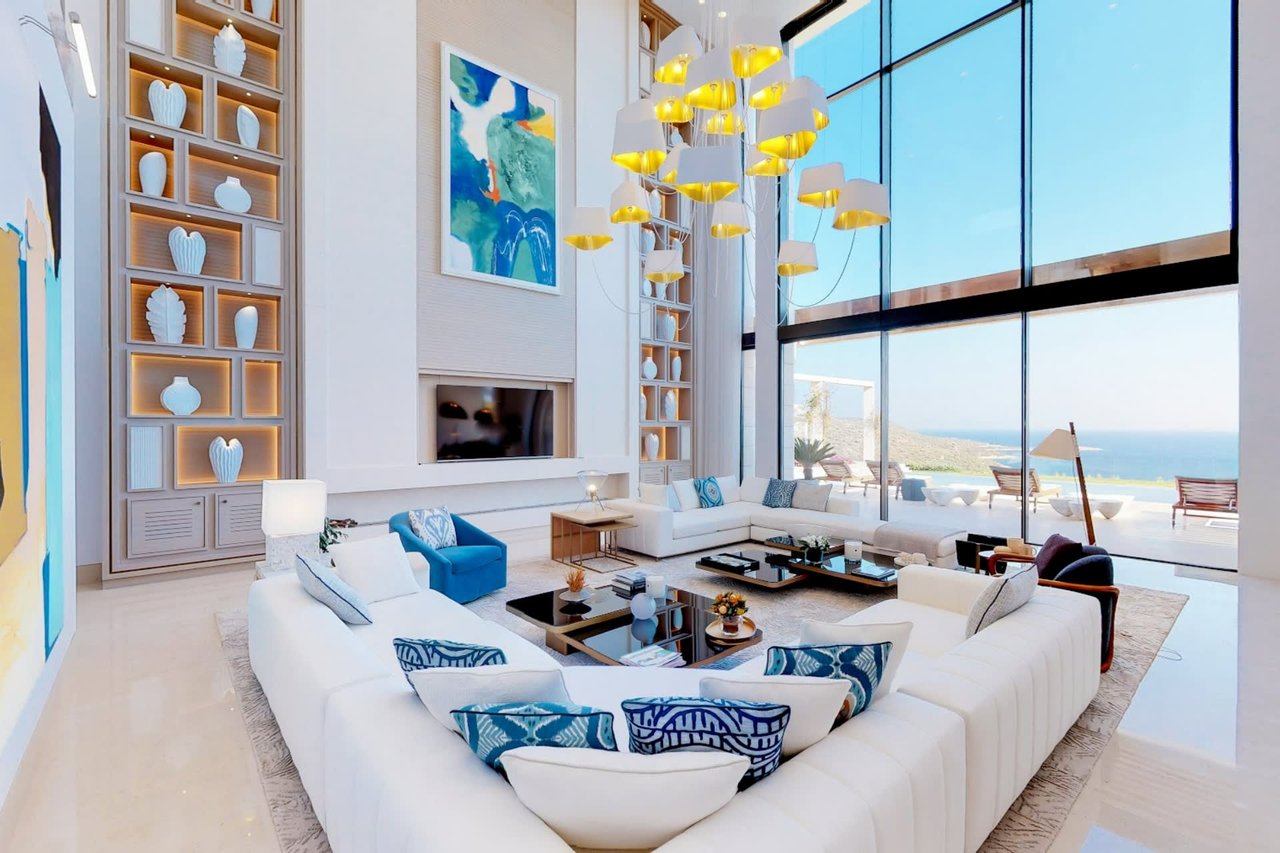
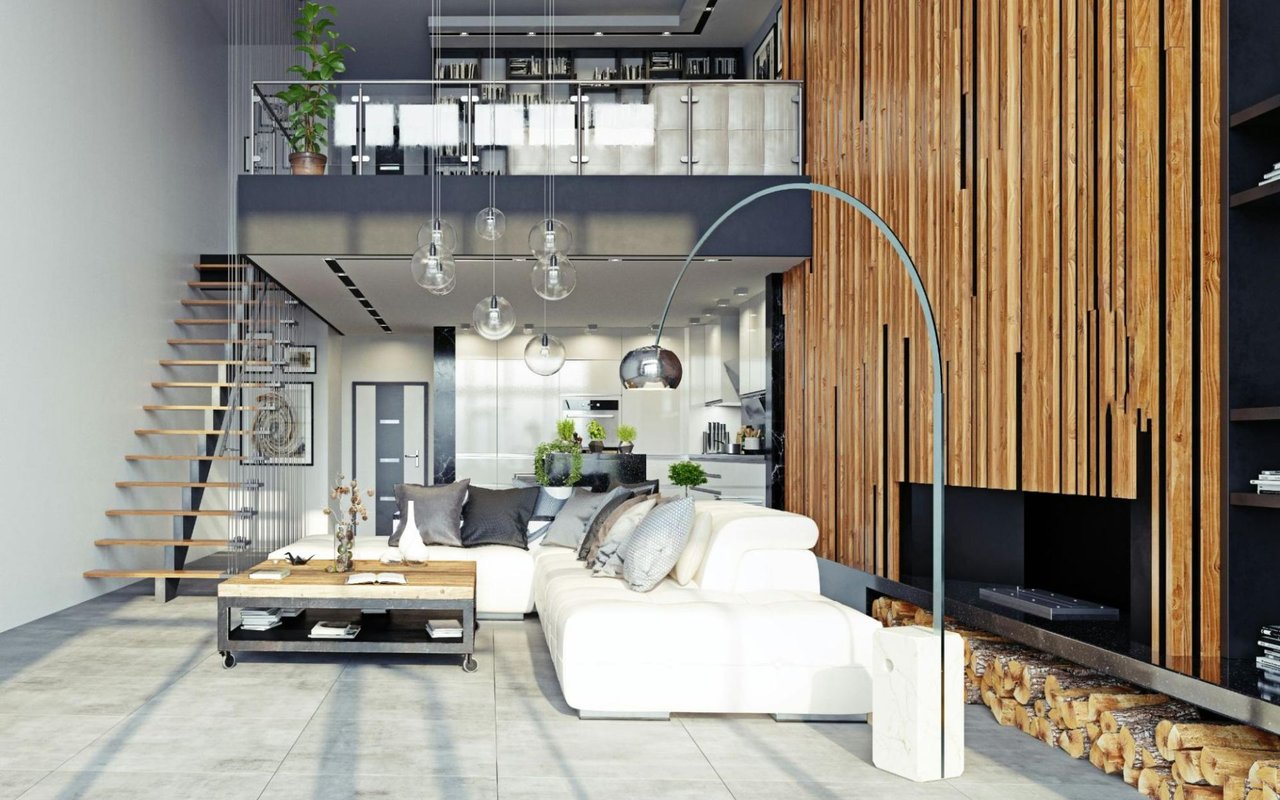
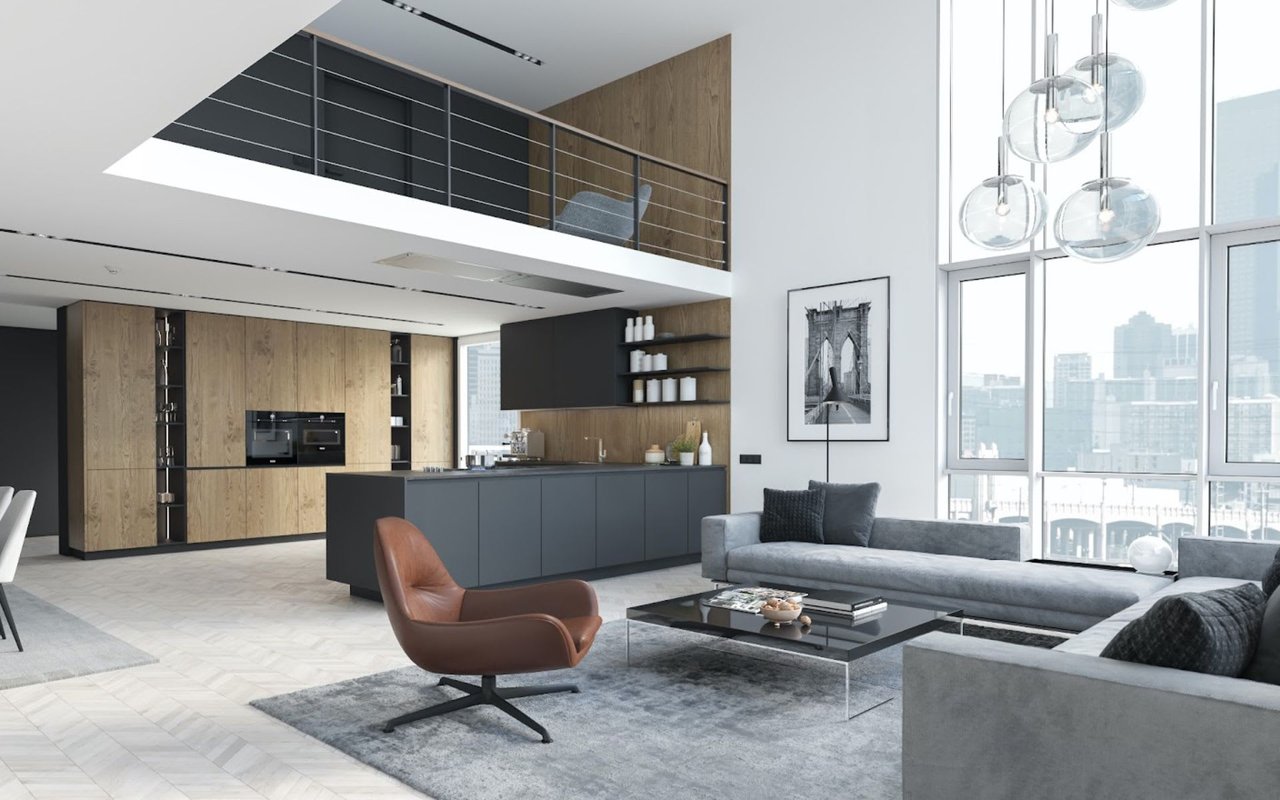
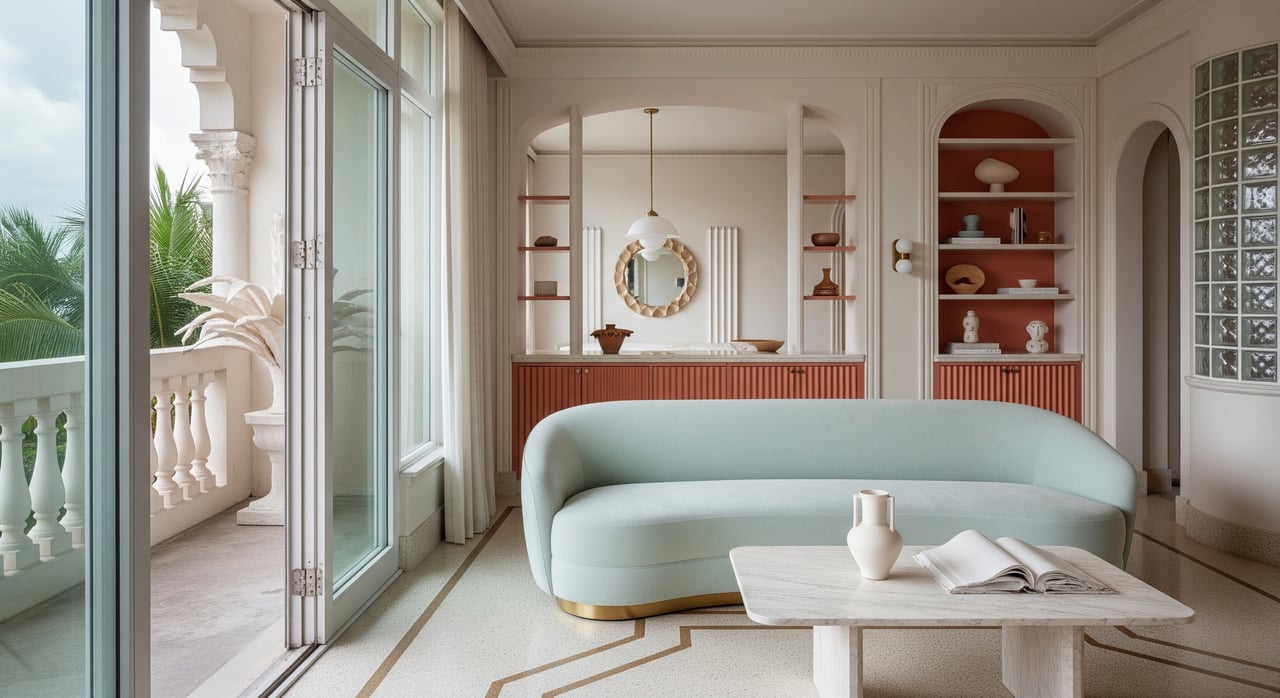
If you want your home to echo the neighborhood’s character, let the streetscape guide you. Rounded mirrors and scalloped light fixtures pick up Deco curves. Stepped moldings, geometric patterns, and glass‑block accents nod to classic motifs. Terrazzo or terrazzo‑look flooring suits the climate and the aesthetic. In Mediterranean Revival settings, bring in ironwork details, arched elements, warm stucco textures, and layered courtyard greenery.
Keep it subtle. You are living with history, not recreating a museum. A restrained palette and a few well‑chosen references can feel timeless and fresh.
Lifestyle tradeoffs at a glance
- Pros: immediate beach access, a walkable grid, rich street life, cultural programming, and distinctive visual character.
- Cons: tourism impacts and nightlife, stricter exterior alteration rules, potential maintenance costs tied to older buildings, and climate‑related insurance considerations.
Ready to explore?
If architecture is your lens, South Beach rewards you with texture, color, and daily moments of design pleasure. To translate that into a smart purchase or a strategic sale, work with a team that treats property as a design‑driven lifestyle asset. For a discreet, senior‑level conversation tailored to your goals, connect with Carmenate / Duchon.
FAQs
What defines South Beach’s Art Deco district?
- It is a concentration of Art Deco and Streamline Moderne buildings recognized on local, state, and federal historic registers, centered on Ocean Drive, Collins Avenue, and nearby blocks.
How do preservation rules affect renovations in South Beach?
- Exterior changes visible from public streets usually require review and permits, often a Certificate of Appropriateness, with added attention to signage, awnings, and color.
Are short‑term rentals allowed in South Beach condos?
- Miami Beach regulates vacation rentals and short‑term occupancy, and rules change; verify current city code and your building’s policies before assuming any rental income.
What should I review in a South Beach condo purchase?
- Examine association financials, reserves, special assessments, and recent or planned capital projects for roofs, façades, elevators, and other major systems.
How does flood risk impact buying in South Beach?
- Flood risk can affect accessibility, insurance eligibility and premiums, and long‑term maintenance; review FEMA maps and the city’s resilience projects for property‑specific context.