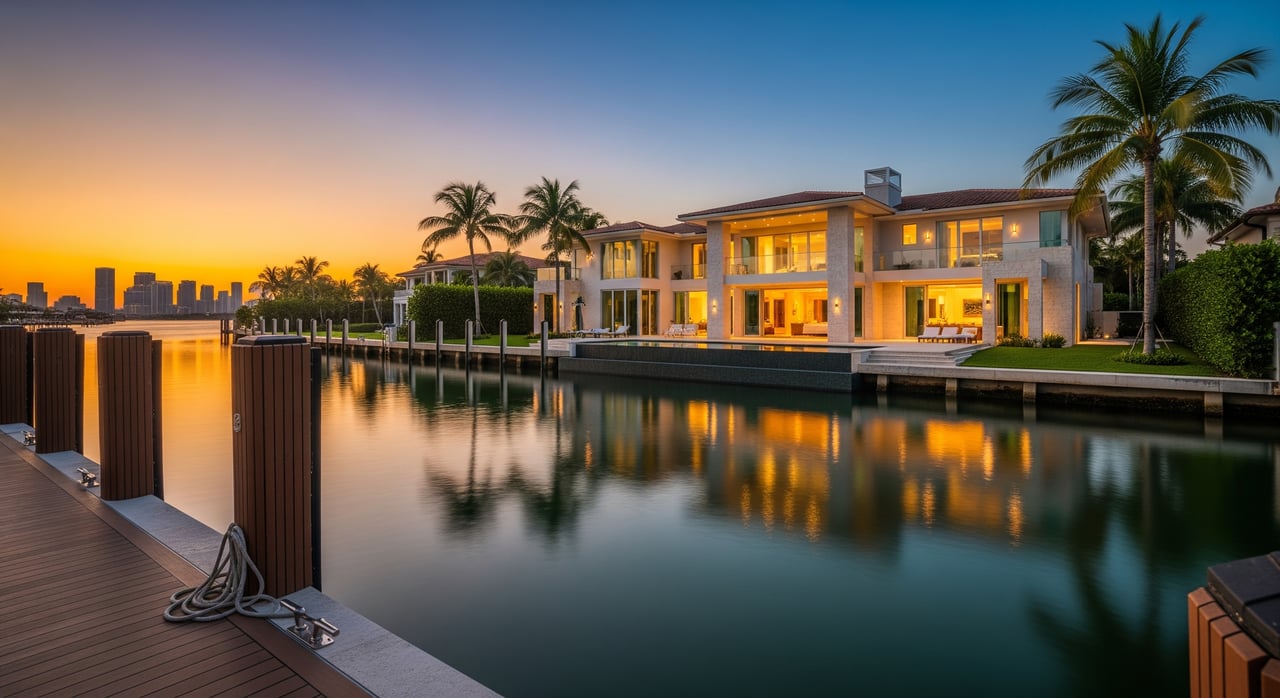
Do you picture quiet sunrises by the pool or golden sunsets over Biscayne Bay? On Sunset Islands, the way your lot faces decides the light, breeze, view, and feel of every day. If you are weighing east against west exposure, you are really choosing a lifestyle rhythm. In this guide, you will see how orientation shapes light, comfort, views, and privacy, plus the due diligence that protects your investment. Let’s dive in.
East vs. west: what exposure means here
Sunset Islands sit at roughly 25.8° N, so the sun climbs high for much of the year. At solar noon, it is near overhead in summer and higher than you may expect in winter. That means mornings and late afternoons do the most to define your daily light. For exact sun angles and sunrise or sunset points by date, use the NOAA solar calculator, a trusted tool for planning light and shade on site. You can explore timing and angles using the NOAA Solar Calculator.
Here is how that plays out on the islands:
- East-facing waterfront gives you bright mornings and cooler late afternoons. The sun rises from the northeast in summer and the east-southeast in winter, so you get softer, earlier light most of the year.
- West-facing waterfront delivers warm late-day light and postcard sunsets. The sun sets from the northwest in summer and the west-southwest in winter, so expect stronger, low-angle light late in the day and into dinner hour.
In practical terms, west-facing glass can pick up intense afternoon glare in spring through fall. Overhangs, low-e coatings, and exterior shading reduce heat and reflections. East-facing rooms feel calm later in the day, which can keep indoor temperatures steadier and pool decks more comfortable in late afternoon.
Breezes and comfort on the bay
Miami’s coastline enjoys consistent onshore breezes during the day, driven by the trades and a daily sea-breeze cycle. The National Weather Service in Miami shows a dominant easterly to east-southeasterly pattern, especially on warm days. These winds matter because they shape outdoor comfort and even mosquito activity around dusk.
- East-facing lots typically capture the daytime sea breeze more directly. That natural ventilation can make terraces and loggias feel cooler, especially in summer.
- West-facing lots can feel calmer and warmer late in the day when winds ease, which many people find pleasant for evening dining. On lighter-wind days, consider fans, misters, and shade to maintain comfort.
If you want to understand the sea-breeze pattern and timing, review the NOAA JetStream overview. Then visit a short list of candidate homes mid-afternoon to feel the microclimate for yourself.
Views, skyline, and evening ambiance
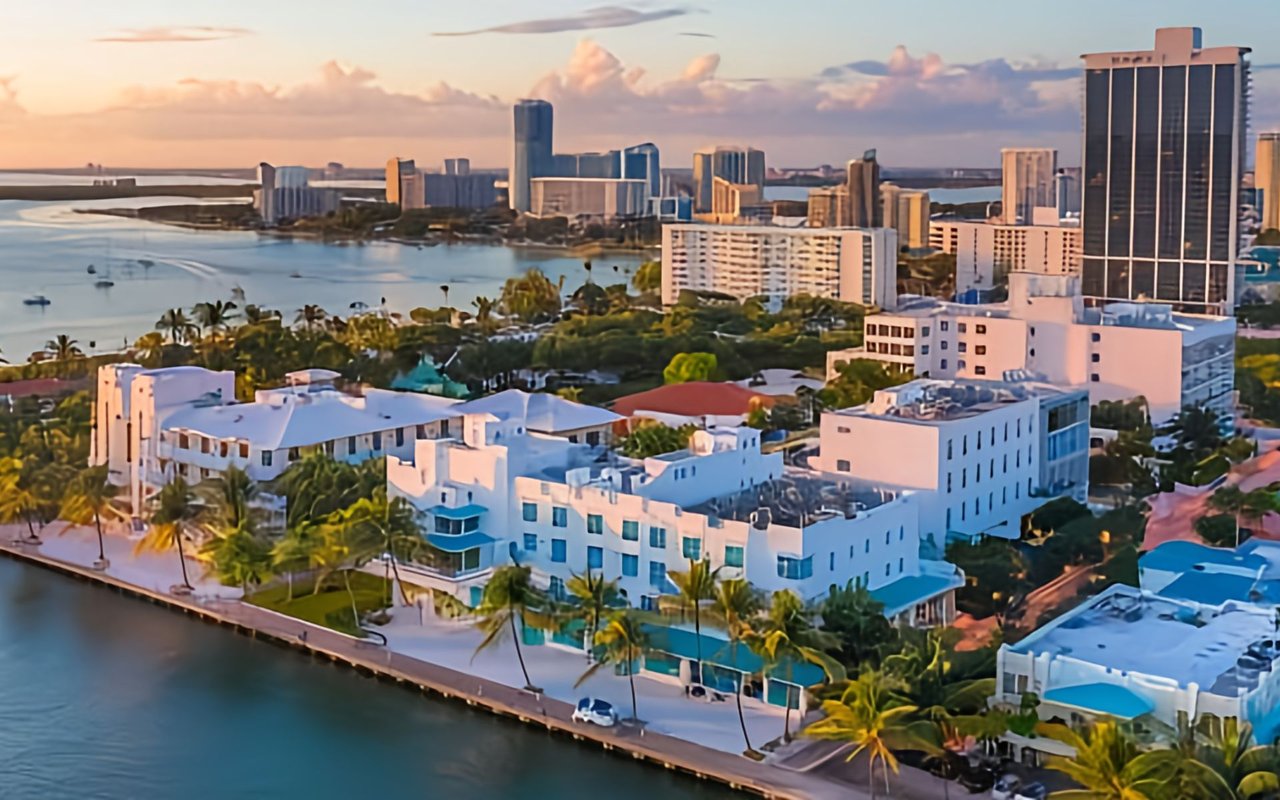
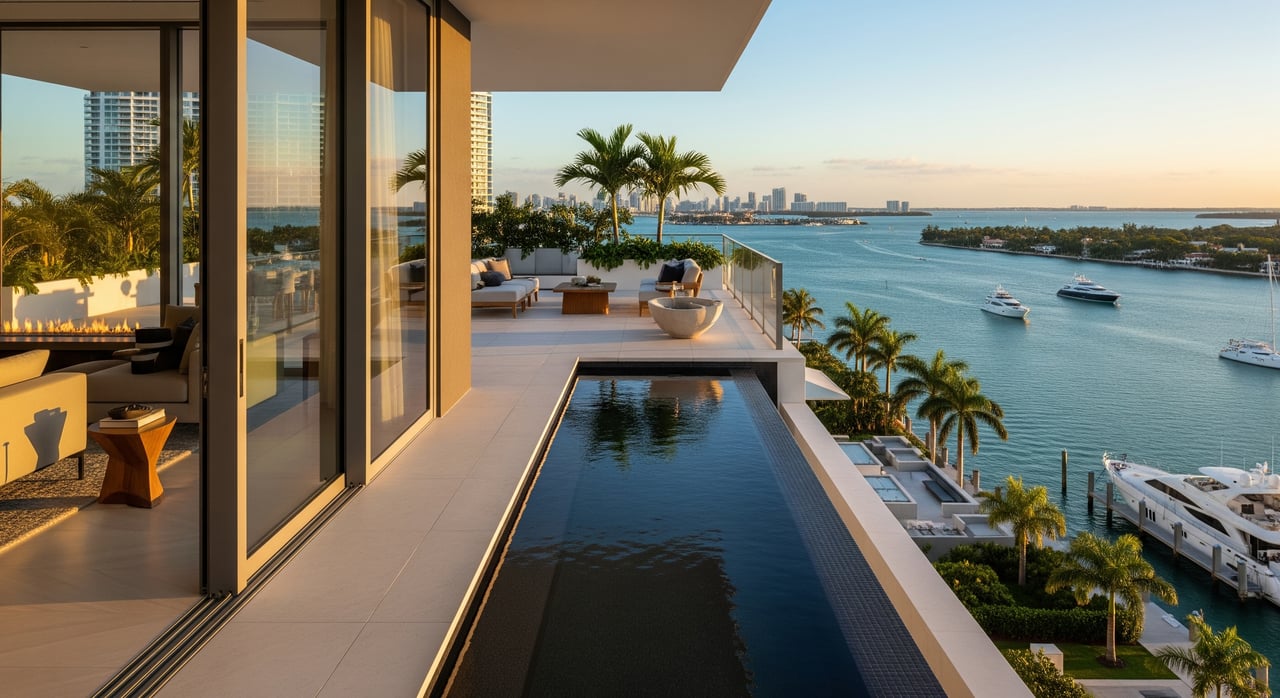
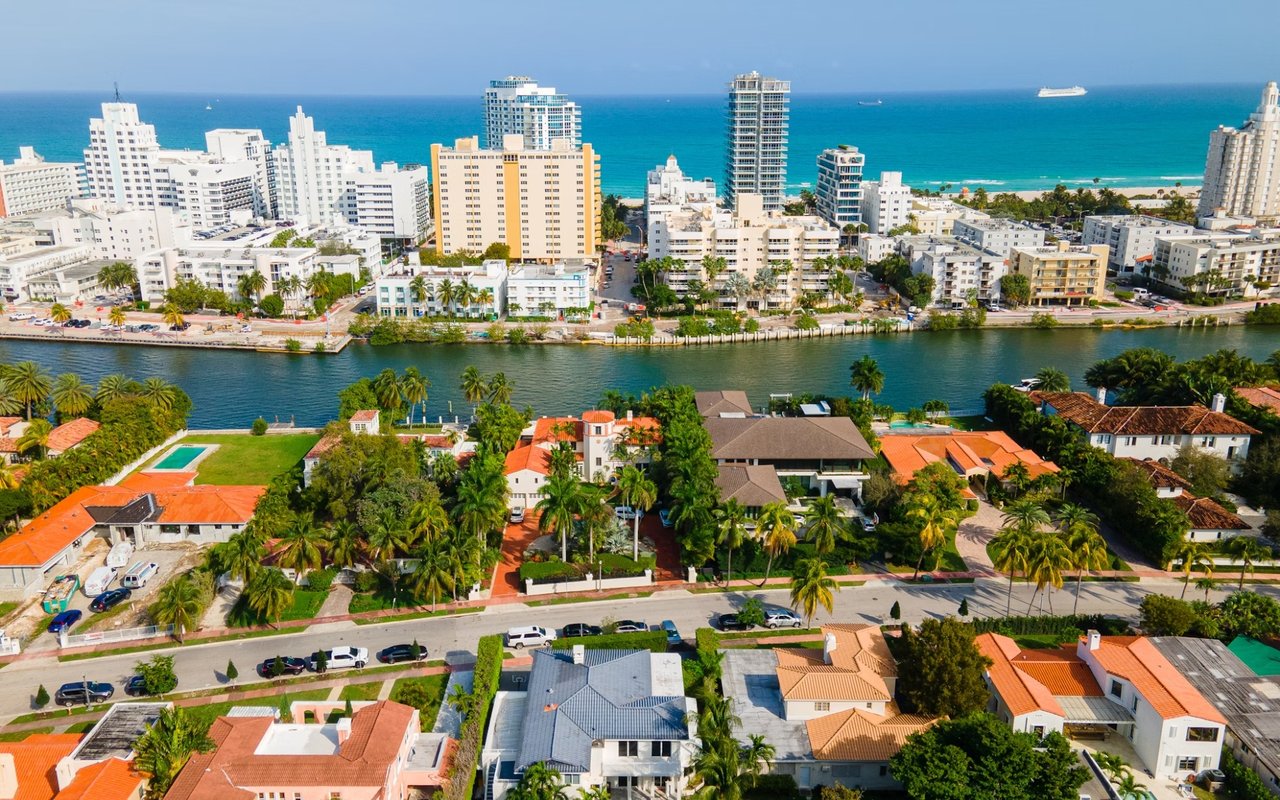
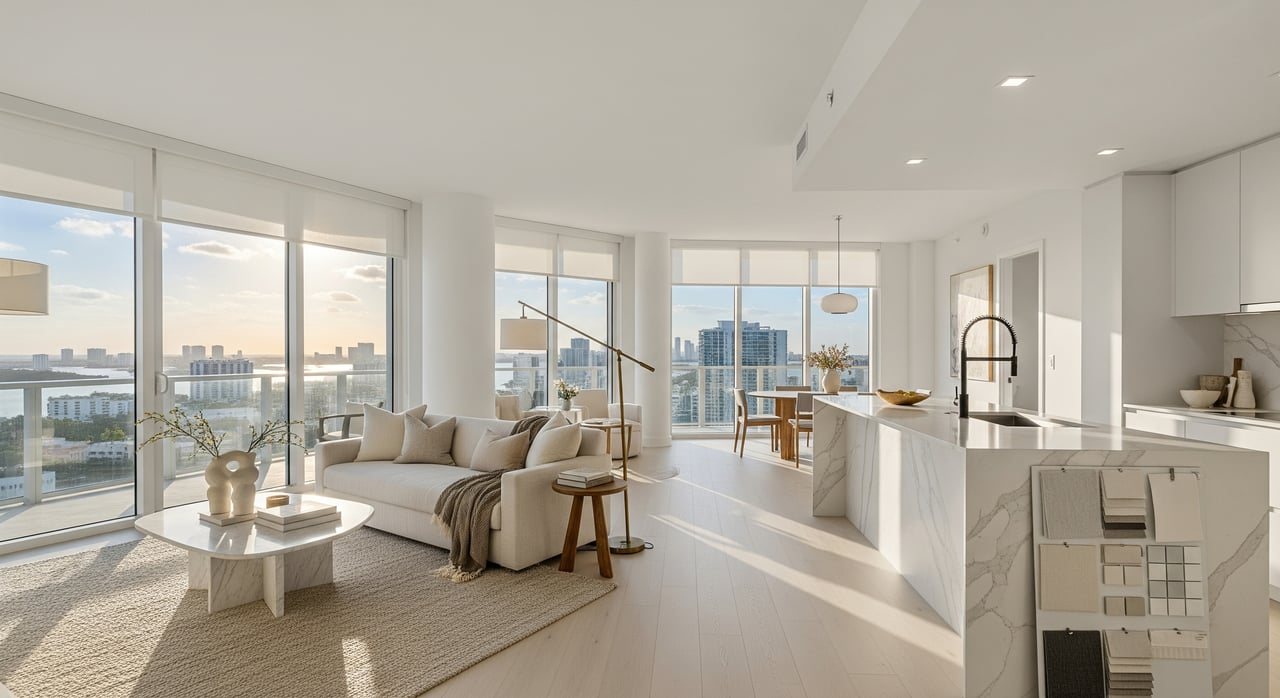
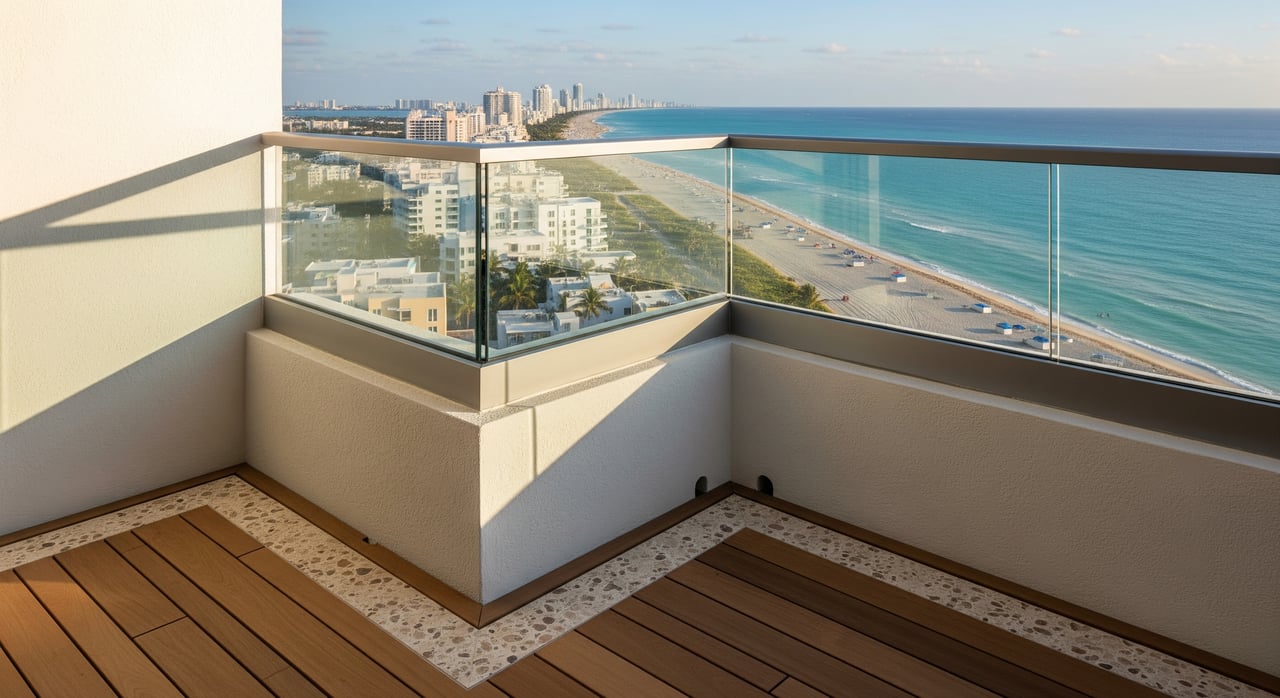
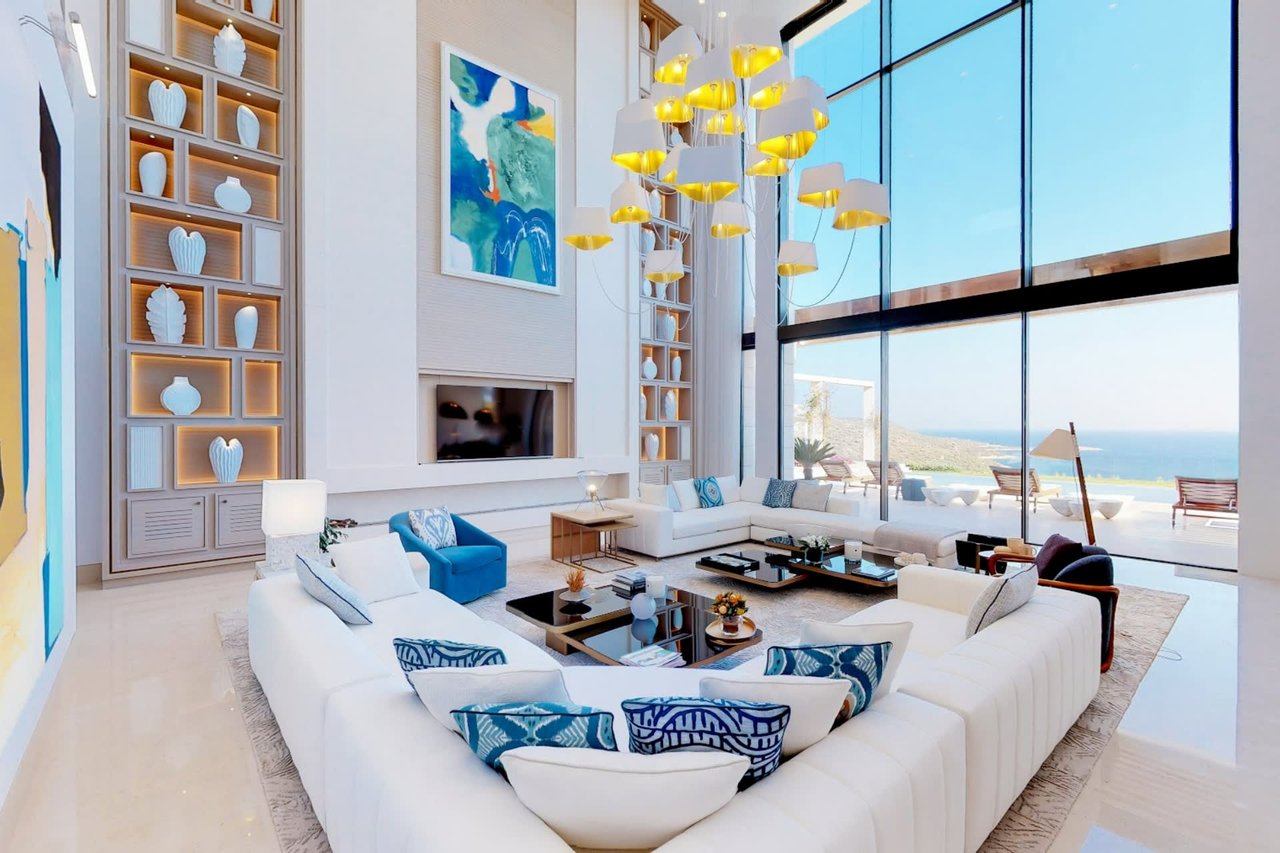
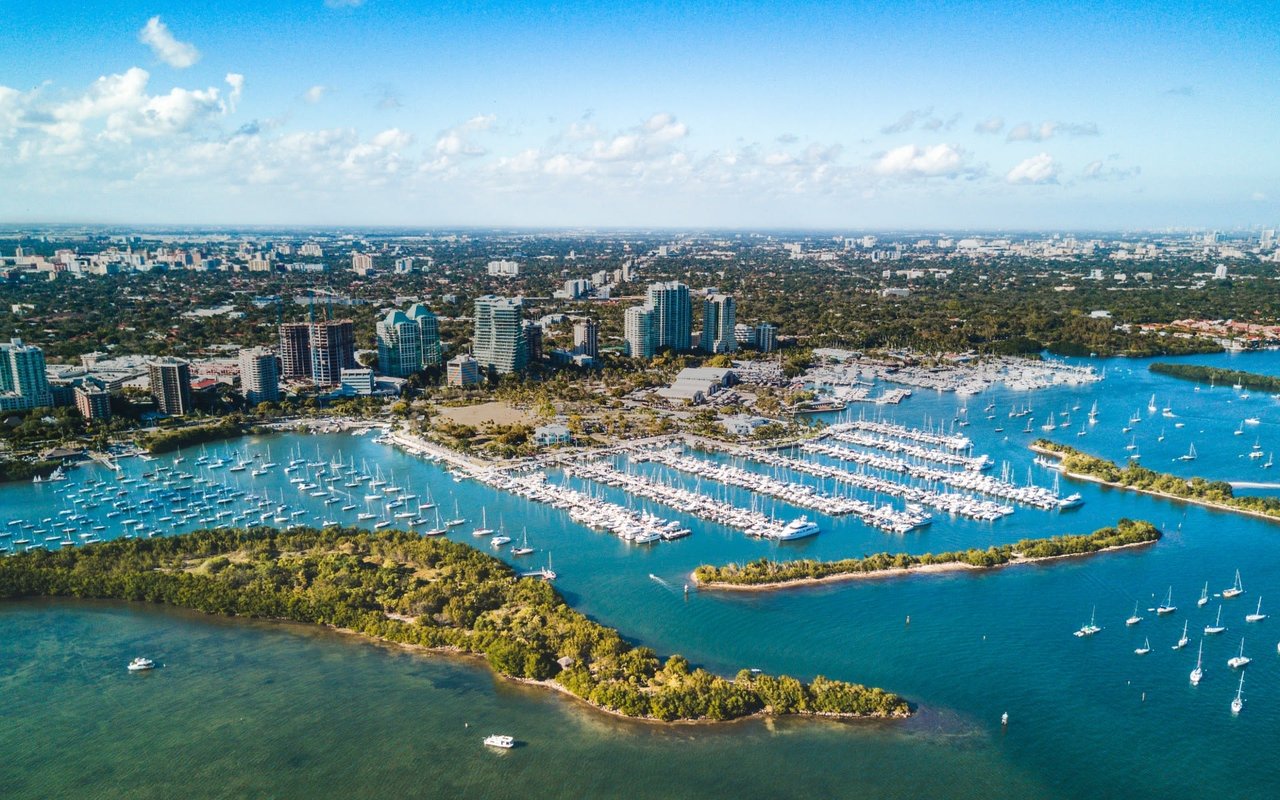
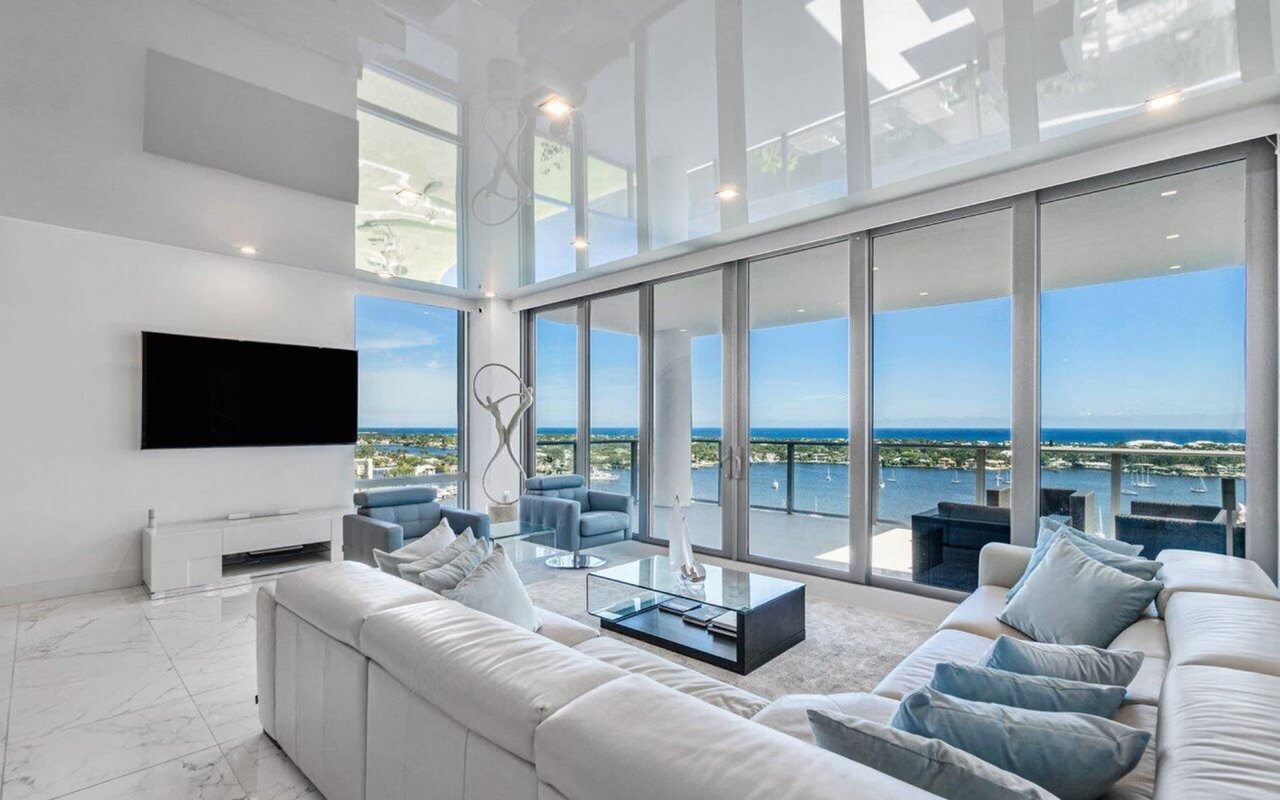
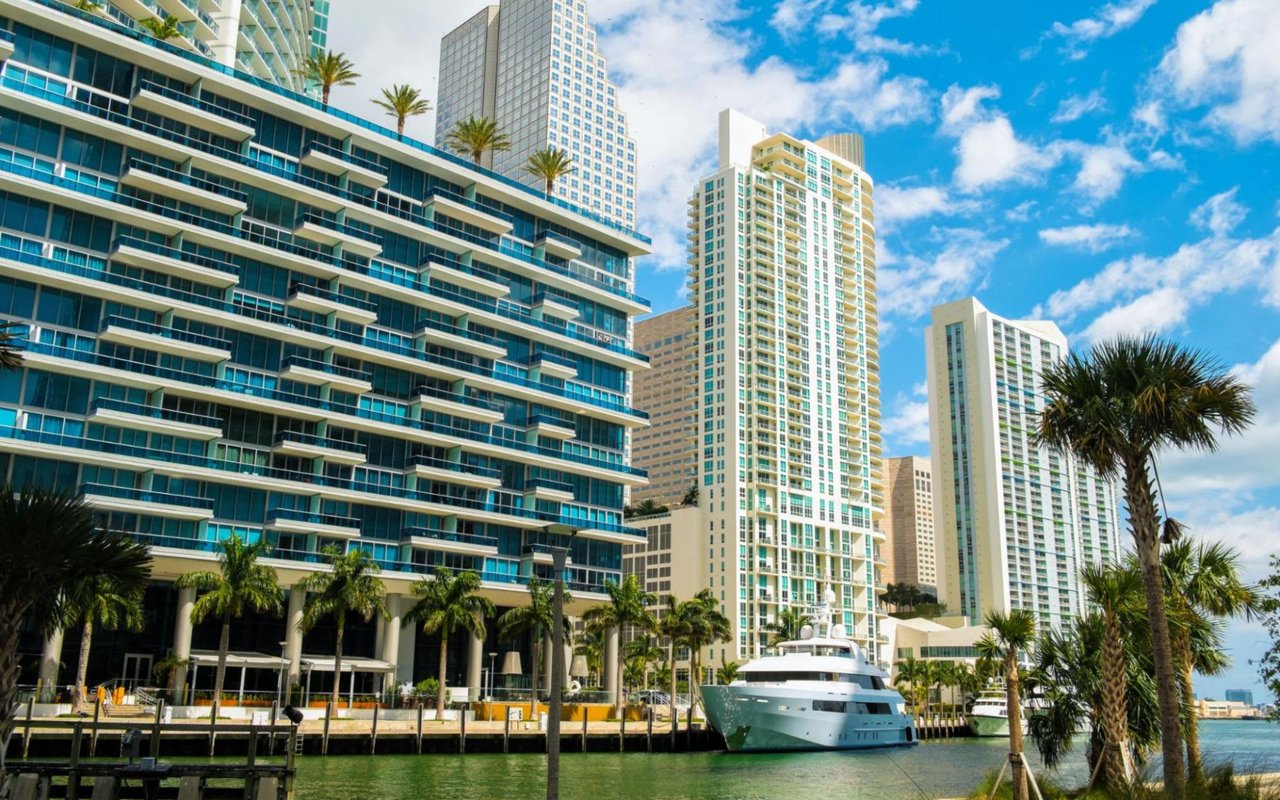
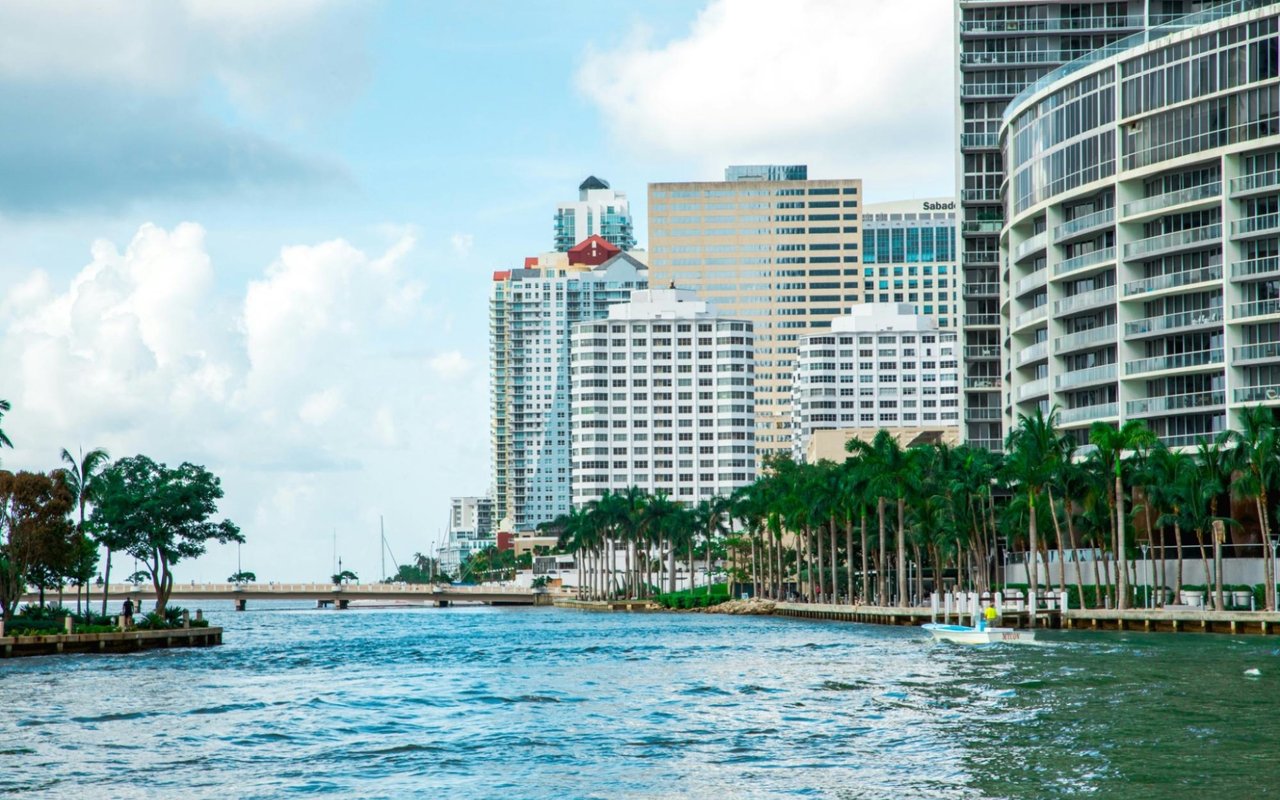
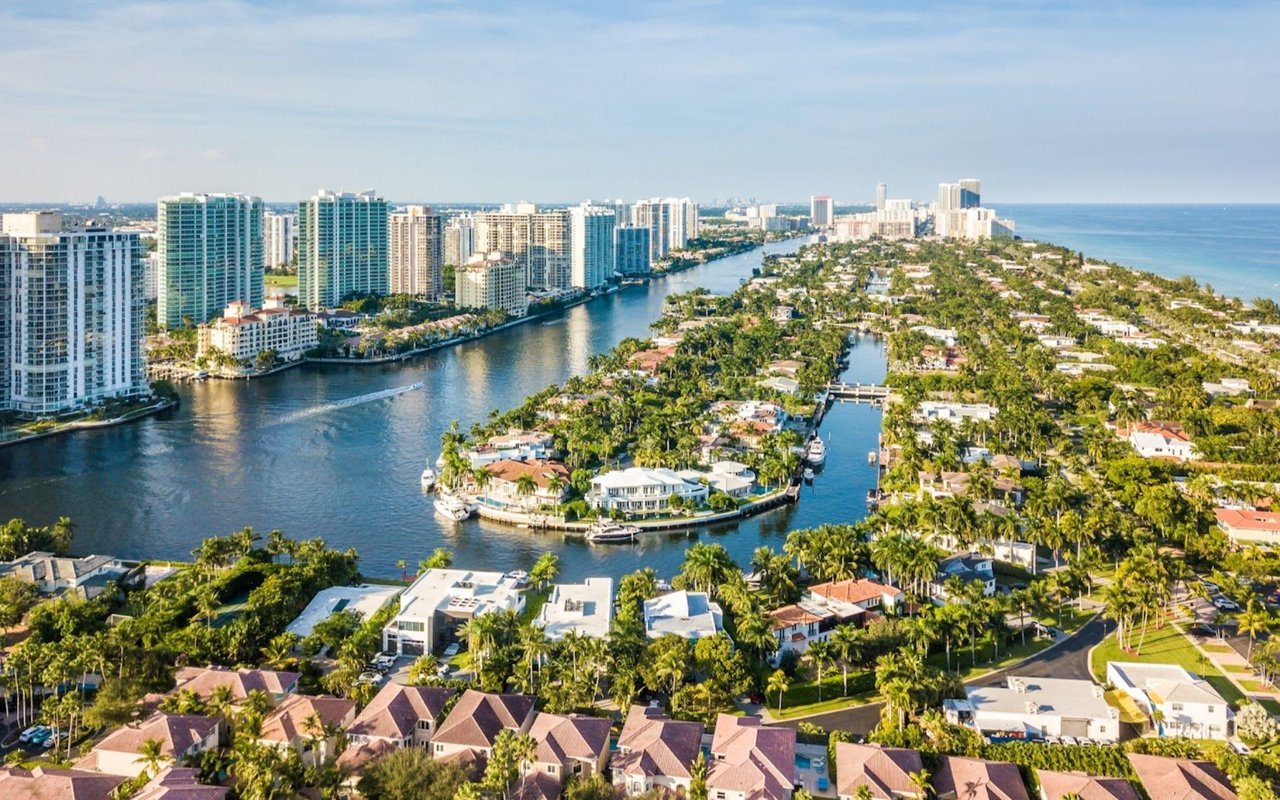
Your view is part of your everyday ritual. Many west-facing waterfront lots on the western edge of Miami Beach look across Biscayne Bay toward the mainland, which can include downtown Miami skyline vistas depending on the lot and sightlines. That creates a dramatic sunset-to-citylight transition at dinner time.
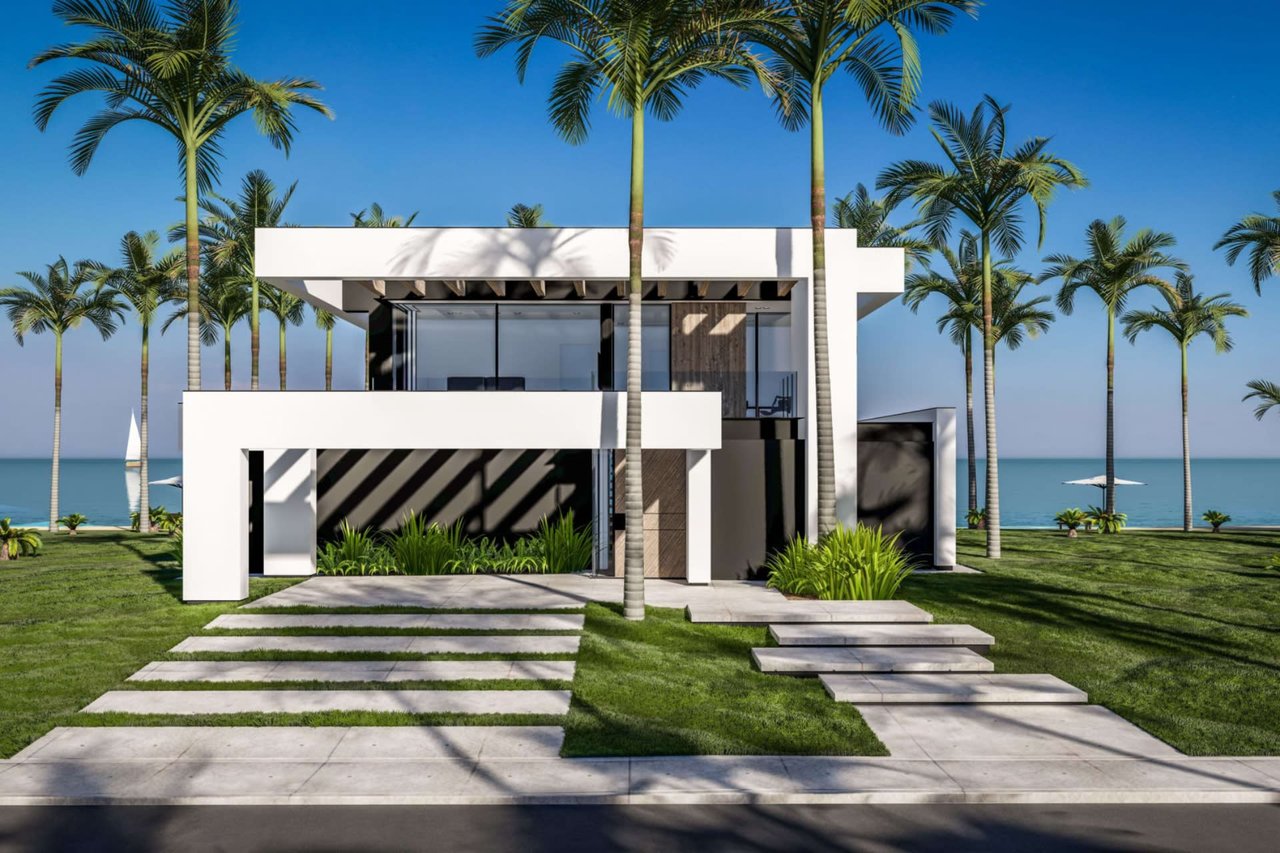
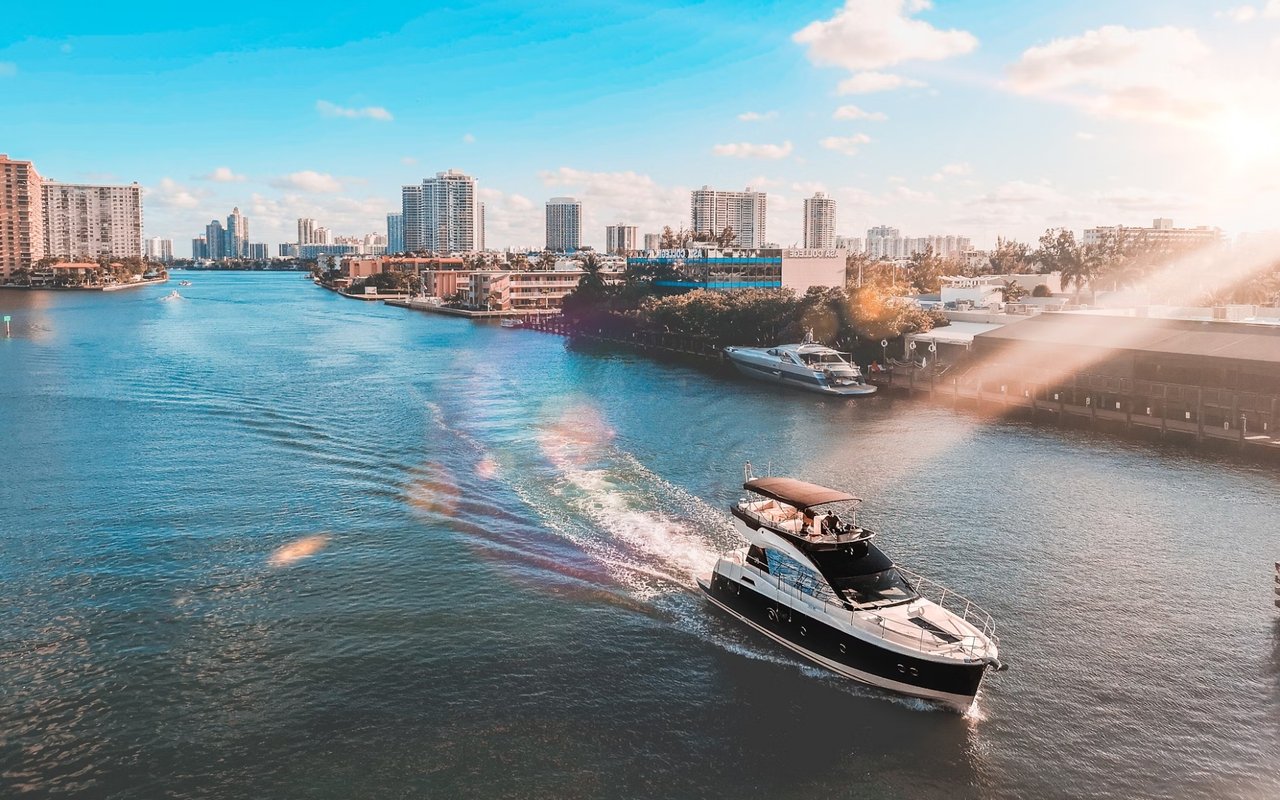
East-facing canal lots tend to be quieter, with framed water views and sunrise light rather than panoramic bay scenes. They often see less through-traffic by boat, which reduces activity and noise in the background. Lot width, setbacks, and neighboring landscaping will shape how open or private the view feels.
A simple test helps: walk the shoreline just before sunset to study color, boat movement, and any obstructions. Look for rooftop structures, hedges, or future build potential next door that could affect your view.
Pools, decks, and glare control
Pool orientation changes how and when you will swim and lounge:
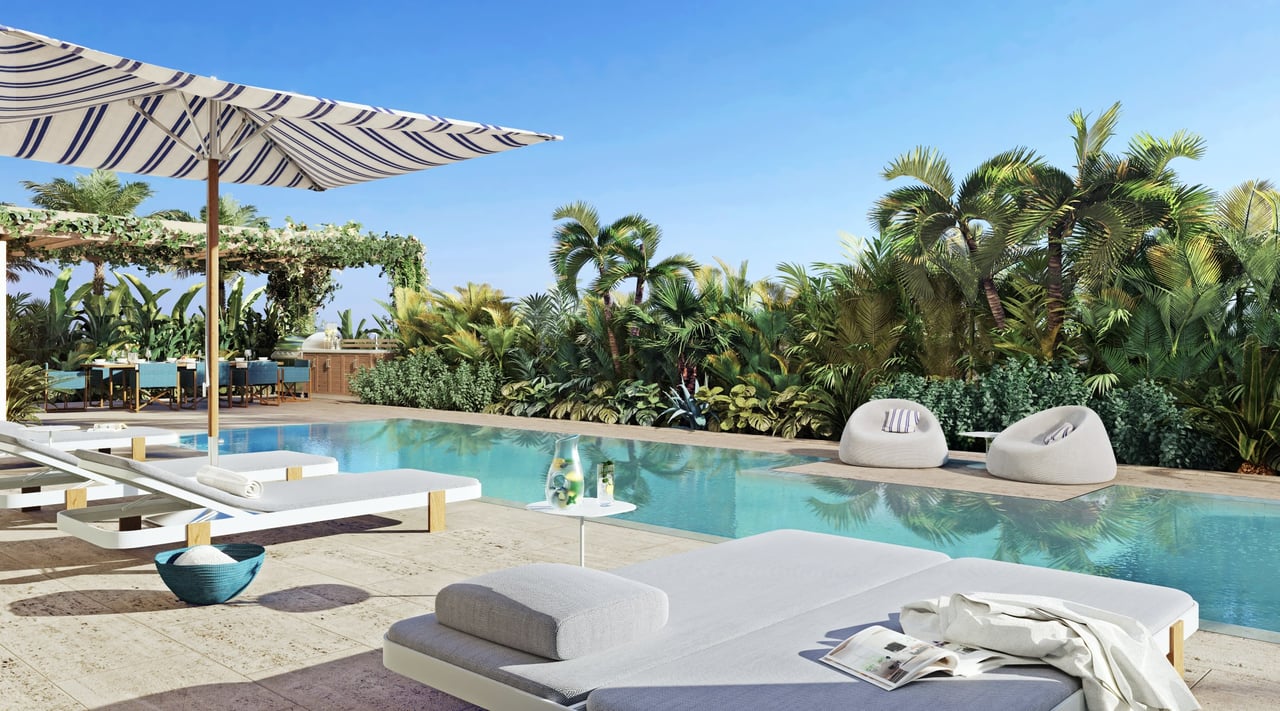
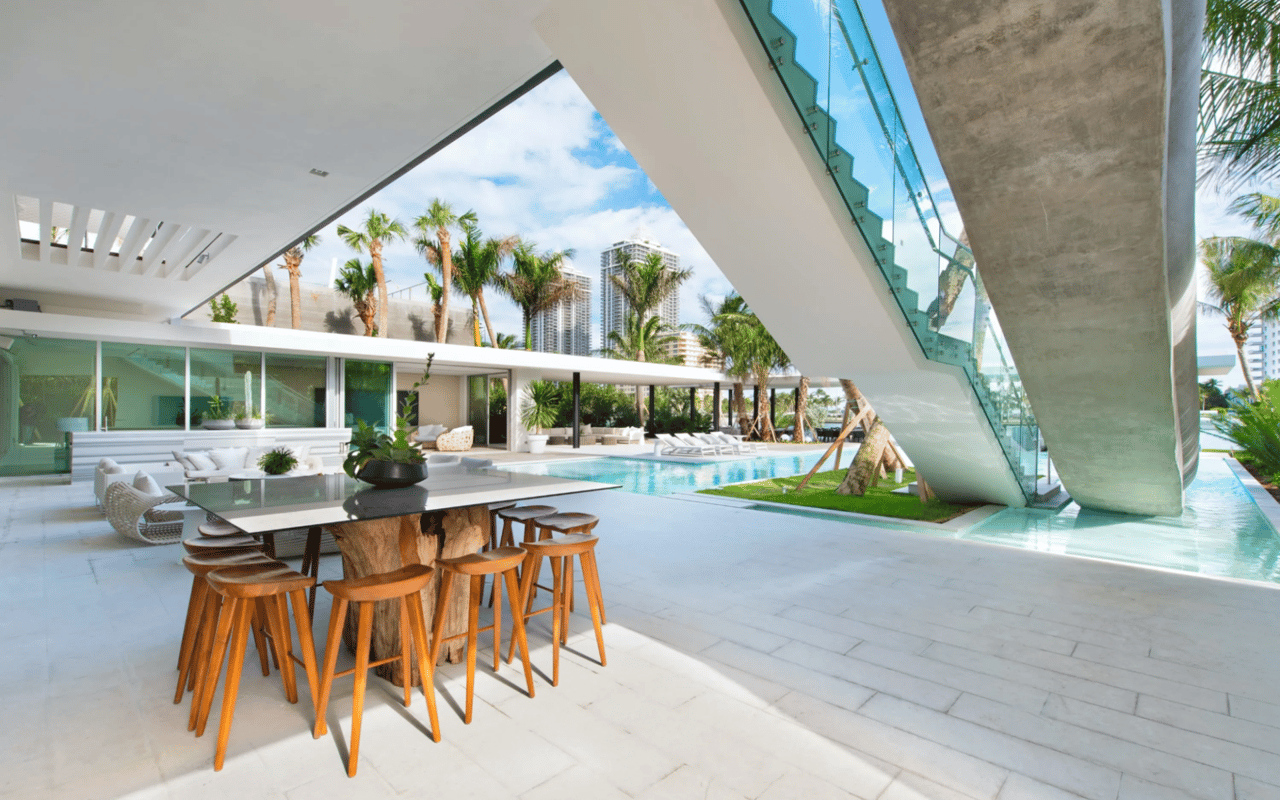
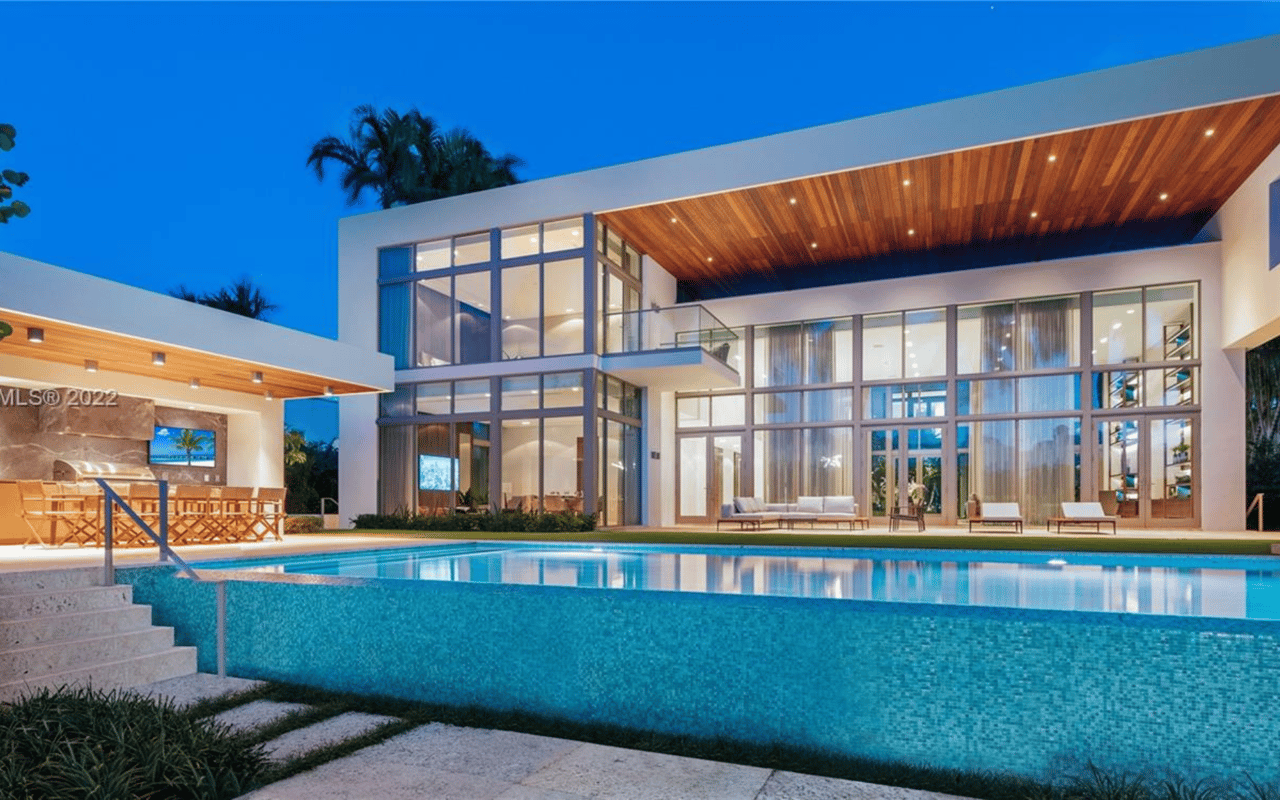
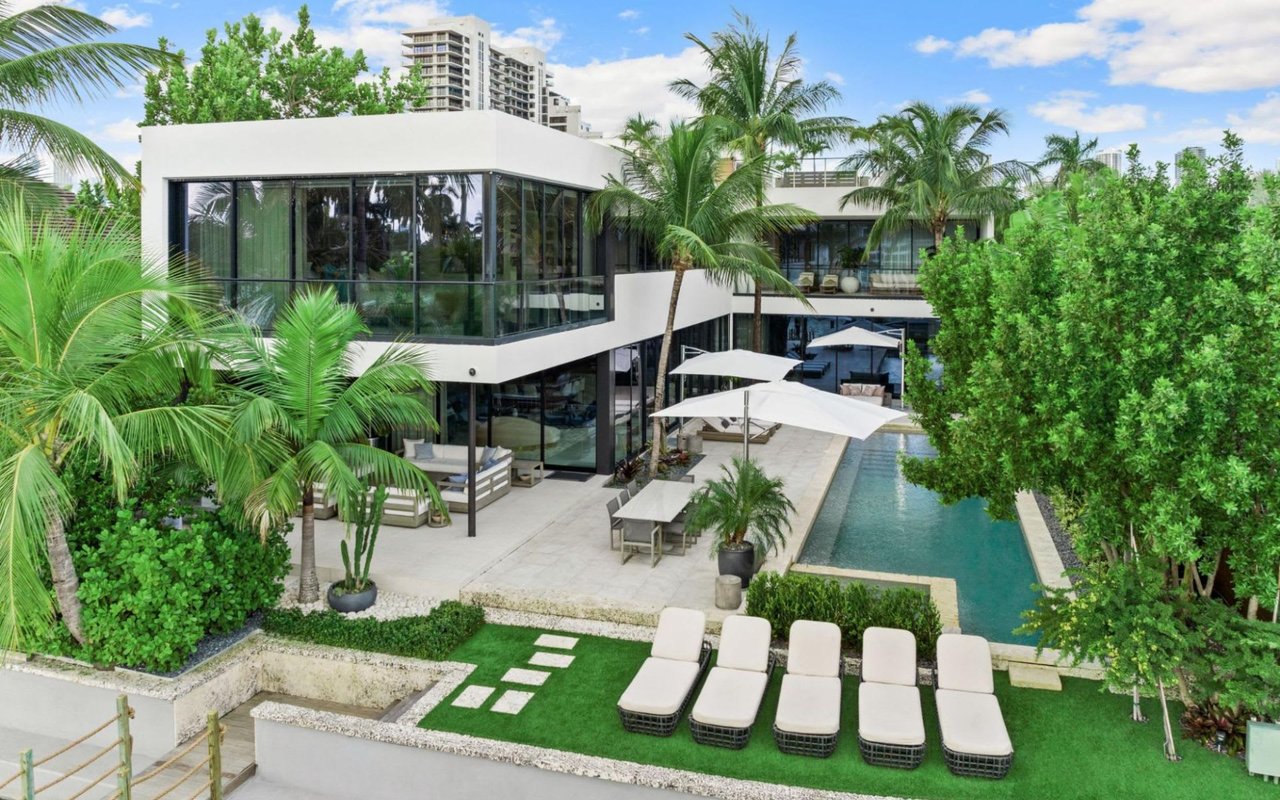
- East-facing pools warm in the morning and often fall into soft shade later in the day, which can keep deck temperatures manageable during peak heat.
- West-facing pools soak up late-day sun that extends swimming into the evening. Expect stronger glare off the water near sunset and hotter deck surfaces.
Materials and shade make the difference. Light, textured decking stays cooler. Pergolas, cantilevered shade, and well-placed palms temper heat and reduce reflected light into interiors. For west-facing glass, combine selective low-e coatings with operable exterior shading to manage glare without giving up the view.
Privacy, noise, and neighborhood context
Privacy depends on sightlines as much as orientation. West-facing bay lots may be more visible to passing boats and to distant viewers at night when the skyline glows. East-facing canal lots can be overlooked by homes across narrower canals. Landscaping and dock layout help create privacy without losing your view.
Noise varies by waterway. Main channels and open bay edges see more transient boat activity. Interior canals feel quieter, with mostly private dock movement. Also note proximity to island bridges and main roads that serve Bayshore or Collins Avenue, since traffic patterns can form part of the soundscape.
Due diligence essentials on Sunset Islands
Before you decide on sunrise or sunset, confirm the fundamentals:
- Flood risk and elevation. Review your property’s flood zone and base flood elevation using the FEMA Flood Map Service Center. Combine that with current elevation certificates to understand design options and potential insurance implications.
- Wind and weather patterns. The National Weather Service Miami page provides local wind and climate context so you can plan breezes, shade, and outdoor comfort across seasons.
- Sun and solar. For roof solar potential, south to southwest roof faces are often most productive in South Florida, which you can explore with NREL’s PVWatts tool. Orientation to the water does not always match optimal roof exposure, so evaluate the roof geometry separately.
- Seawalls, docks, and permits. Most waterfront work requires permits through Miami-Dade and sometimes the state. Confirm the status and allowances for existing improvements and any planned upgrades before you close.
- On-site testing. Visit at sunrise, mid-afternoon, and sunset on different days. Walk the dock at high tide and during windy conditions to learn how waves and splash behave. Stand in the rooms where you will spend time and check real sightlines.
For seasonal temperature and sun context in the Miami area, NOAA’s climate normals are a helpful reference when you plan shading, materials, and outdoor use.
Buyer checklist: choose your best fit
Use this quick list to compare options and guide conversations with your advisor:
- Orientation and light
- What is the actual morning and evening light on site, and how does it feel in key rooms and on the pool deck?
- Will existing glazing or overhangs cause heavy late-day glare on a west exposure?
- Views and sightlines
- Do principal rooms capture open bay or skyline views, or are they framed by landscaping and neighboring docks?
- Are there permits or plans for adjacent redevelopment that might change the view?
- Breezes and microclimate
- Where do breezes come through on this parcel in the afternoon, and do walls or vegetation block airflow?
- Pools and outdoors
- Where will the pool receive sun longest, and how hot does the decking get late day on a west exposure?
- Practical risk and cost
- What FEMA flood zone and base flood elevation apply, and how might those affect insurance?
- What is the status of seawall or dock permits, and what restrictions apply to upgrades?
- Energy and solar
- Is there enough unshaded, well-oriented roof area for PV, and if not, does the design still cool efficiently?
- Noise and privacy
- How much boat traffic passes near the lot, and how visible is the property from water or across the canal?
- Long-term considerations
- What rules on vegetation, exterior lighting, and dock usage could affect privacy, dark skies, or night views?
How to decide: lifestyle first, then design
If you love lively evenings, dining outdoors, and city-light drama, a west-facing bay lot may feel tailor-made, provided you plan for shading and glare. If you prefer tranquil mornings, cooler afternoons, and steady breezes, an east-facing canal or bay-adjacent lot may be the better match. Many buyers focus on orientation first, then tune the architecture with overhangs, glass selection, shade structures, and landscape to perfect daily comfort.
A short on-island tour at the right times of day is the best way to anchor the choice. When you are ready to compare specific Sunset Islands lots by light, breeze, view, and privacy, schedule a private consultation with Carmenate / Duchon.
FAQs
What is the biggest day-to-day difference between east and west exposure on Sunset Islands?
- East-facing lots bring bright mornings and cooler late afternoons, while west-facing lots deliver warm late-day light, sunsets, and more potential for afternoon glare.
How do Miami’s sea breezes affect outdoor comfort by orientation?
- The typical easterly sea breeze favors east-facing terraces during the day, while west-facing spaces often feel warmer and calmer near sunset, especially on light-wind days.
How does orientation change pool use and deck comfort?
- East-facing pools are pleasant earlier and cool off later, while west-facing pools extend swimming into evening but can need shade solutions to control heat and glare.
What should I verify about flood risk before buying on Sunset Islands?
- Check the parcel’s FEMA flood zone and base flood elevation on the FEMA map site, then review elevation certificates and discuss insurance implications with local experts.
How can I confirm potential skyline views before making an offer?
- Visit near sunset to evaluate sightlines from living areas and the dock, and confirm nearby permits or plans that could add height or vegetation in your view corridor.