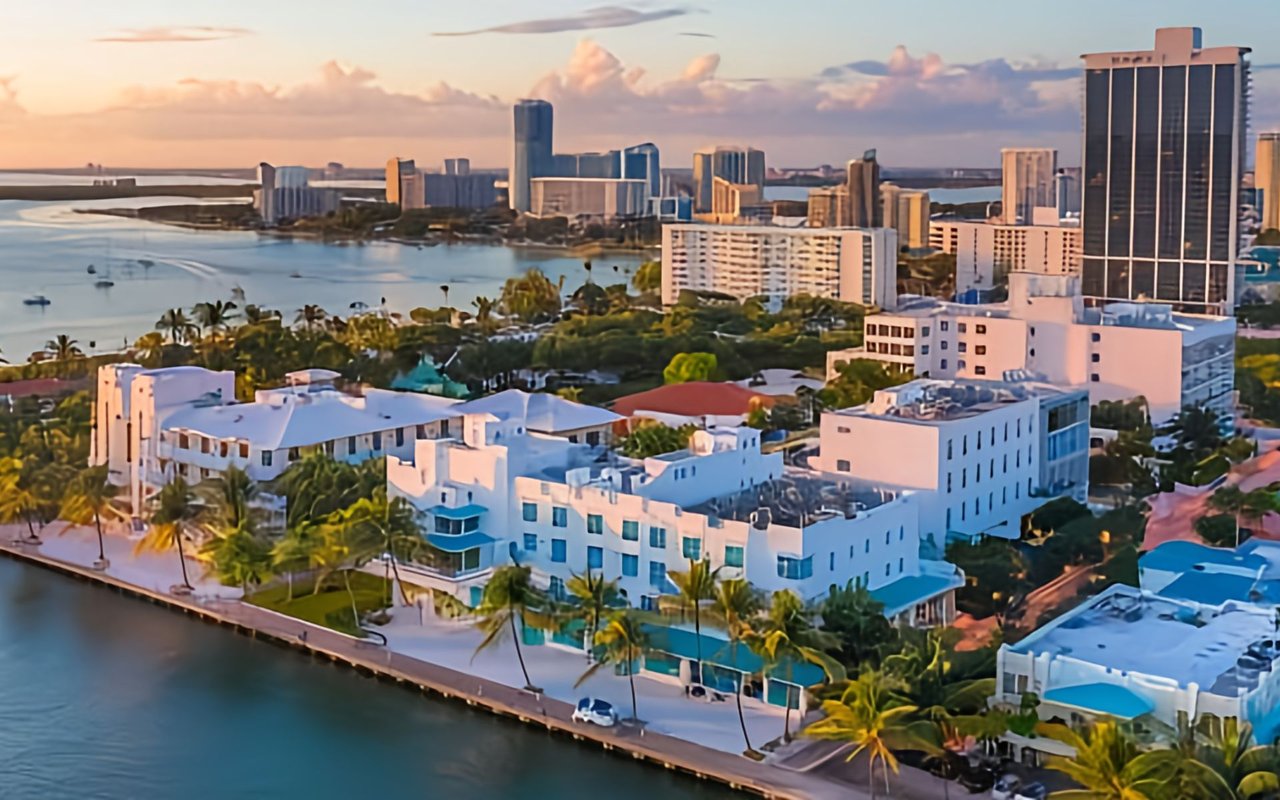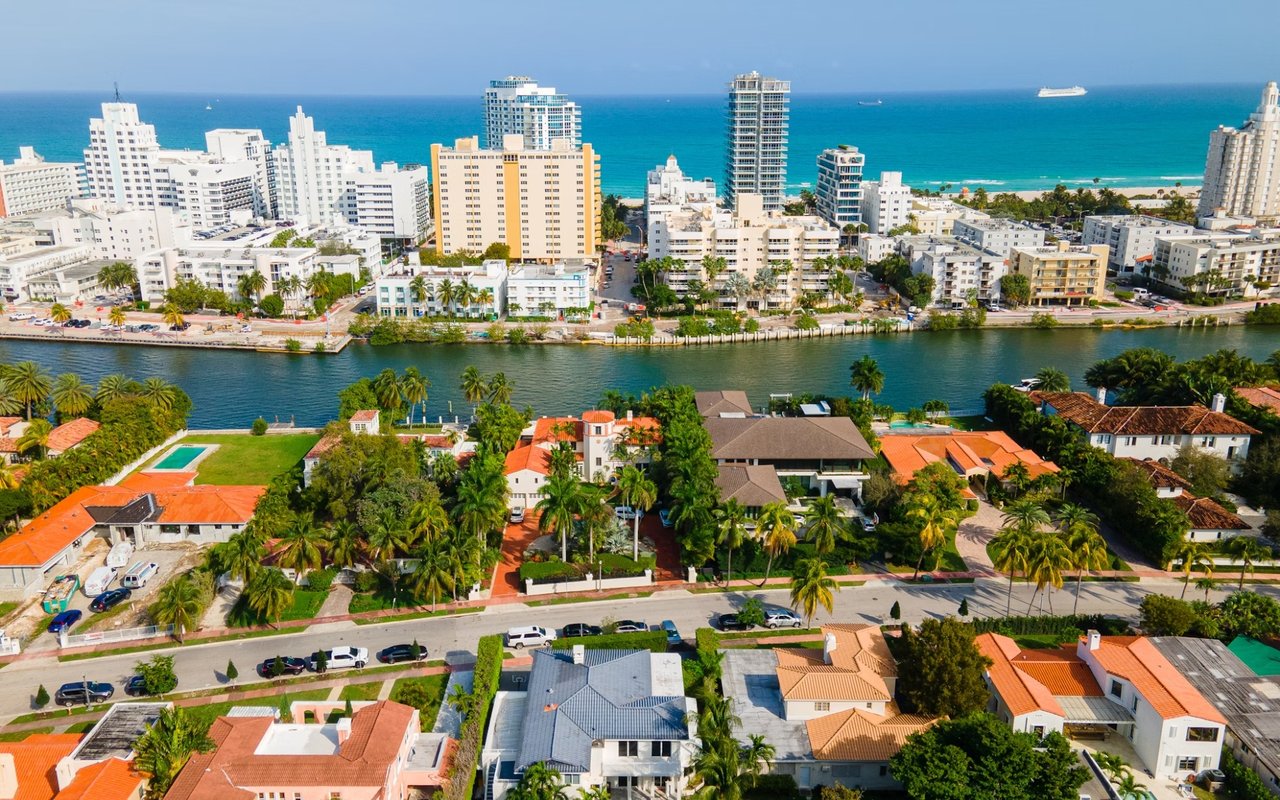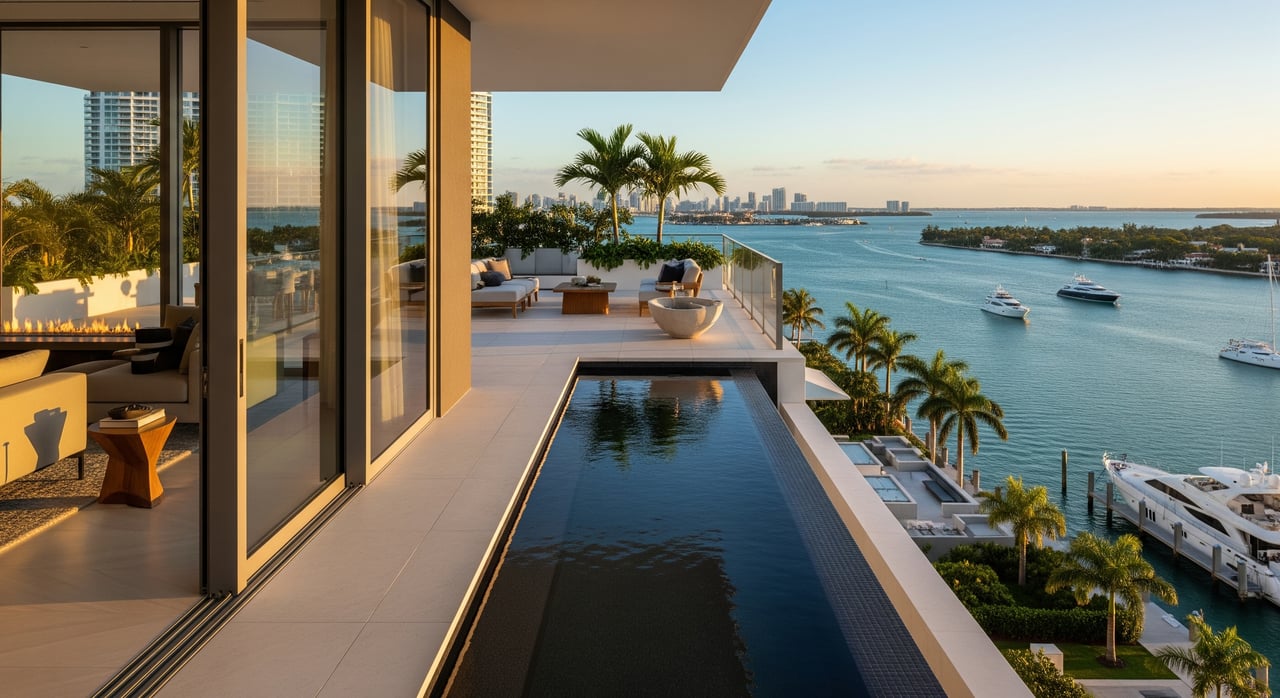
What draws so many global buyers to Miami’s luxury market? It is a blend of waterfront living, world‑class design, and a deep bench of bilingual professionals who understand cross‑border transactions. If you are exploring a second home or investment here, you want a clear path through proof of funds, financing, condo rules, building safety, and closing logistics. This guide gives you a concise, practical playbook so you can move with confidence. Let’s dive in.
Why Miami draws global buyers
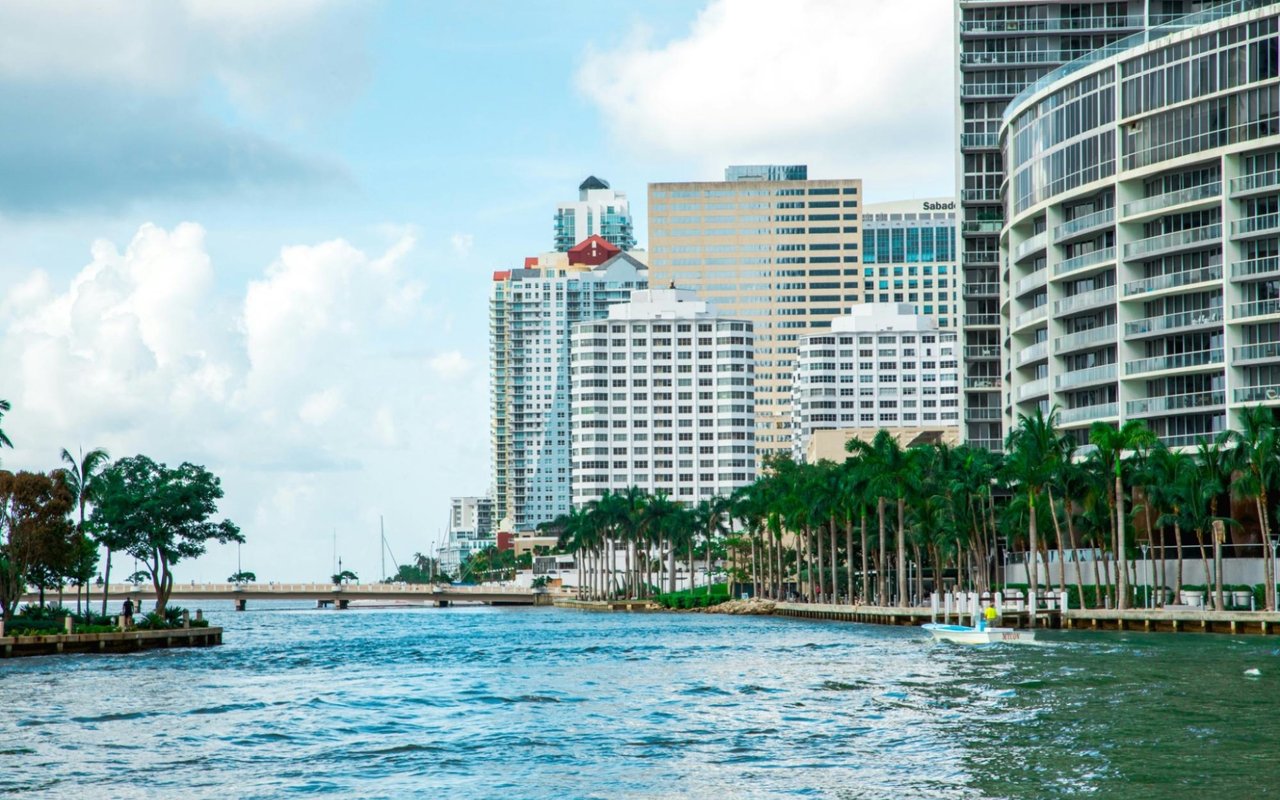
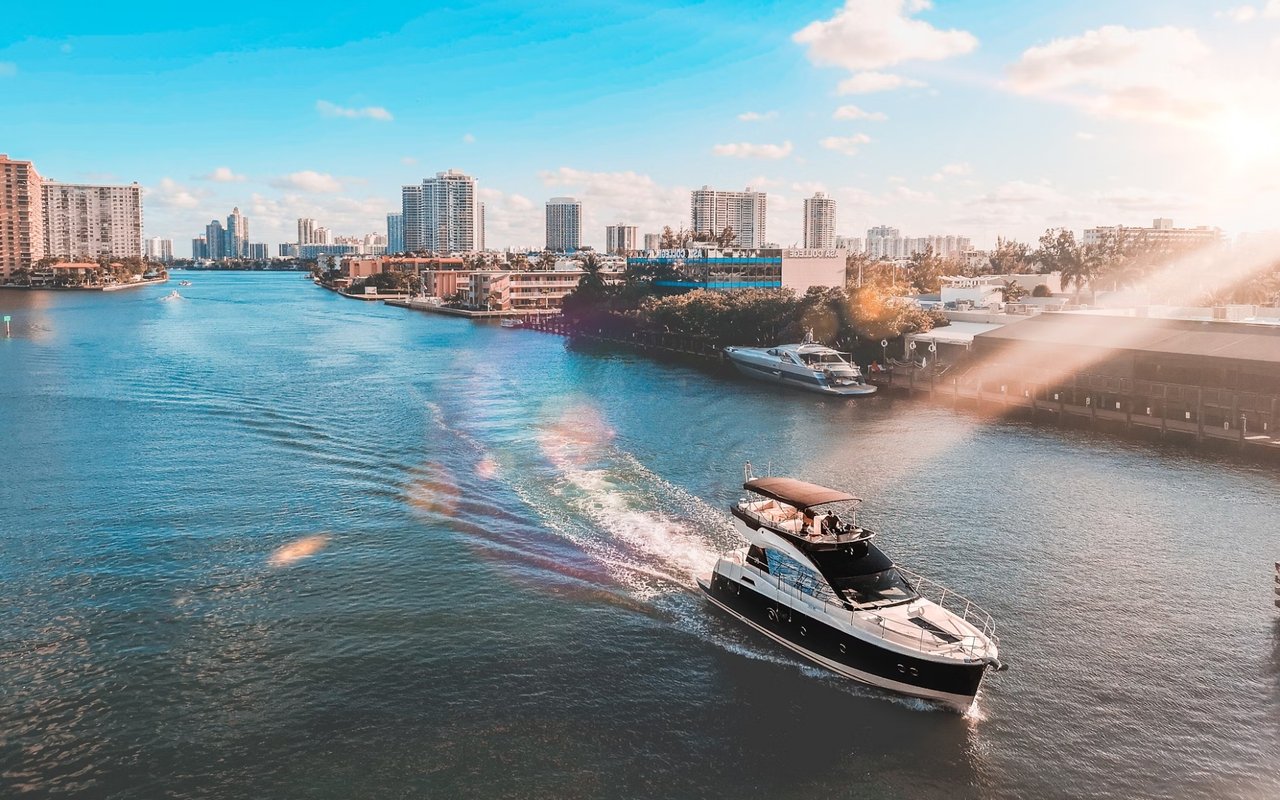
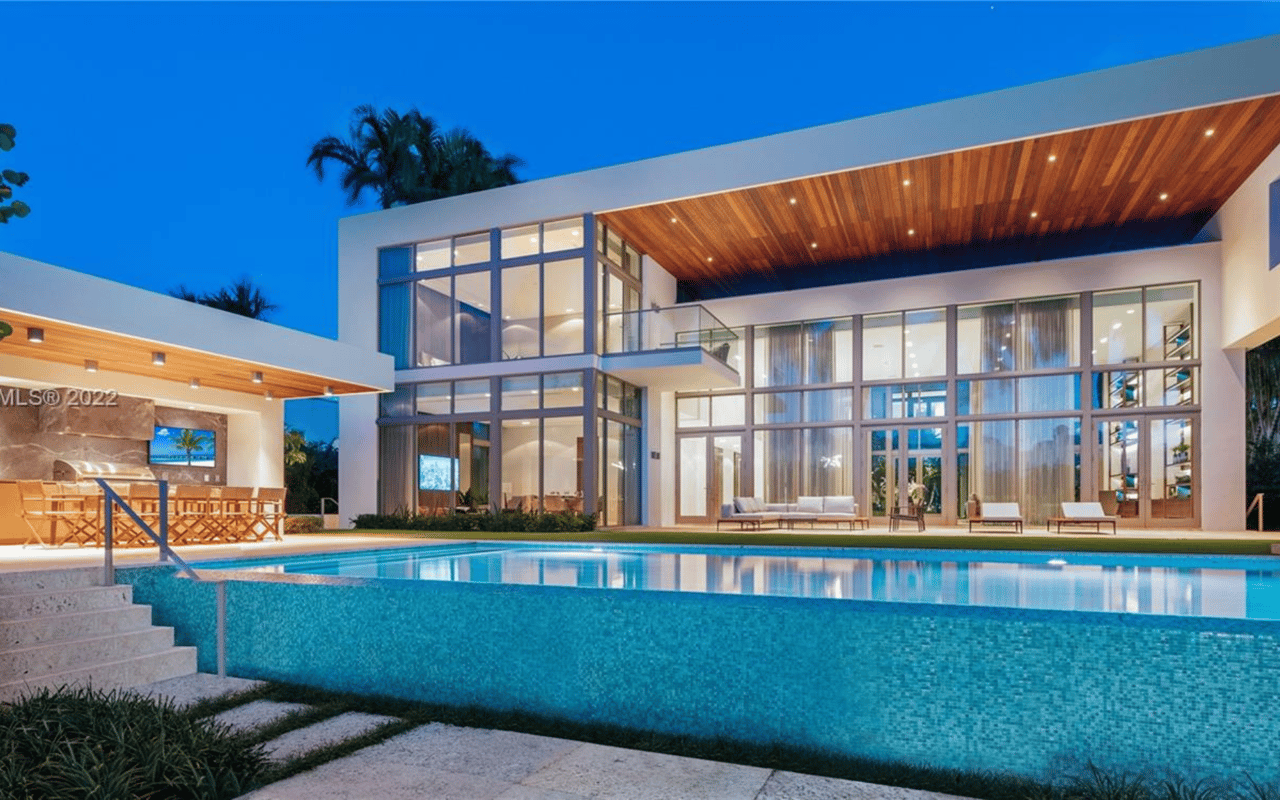
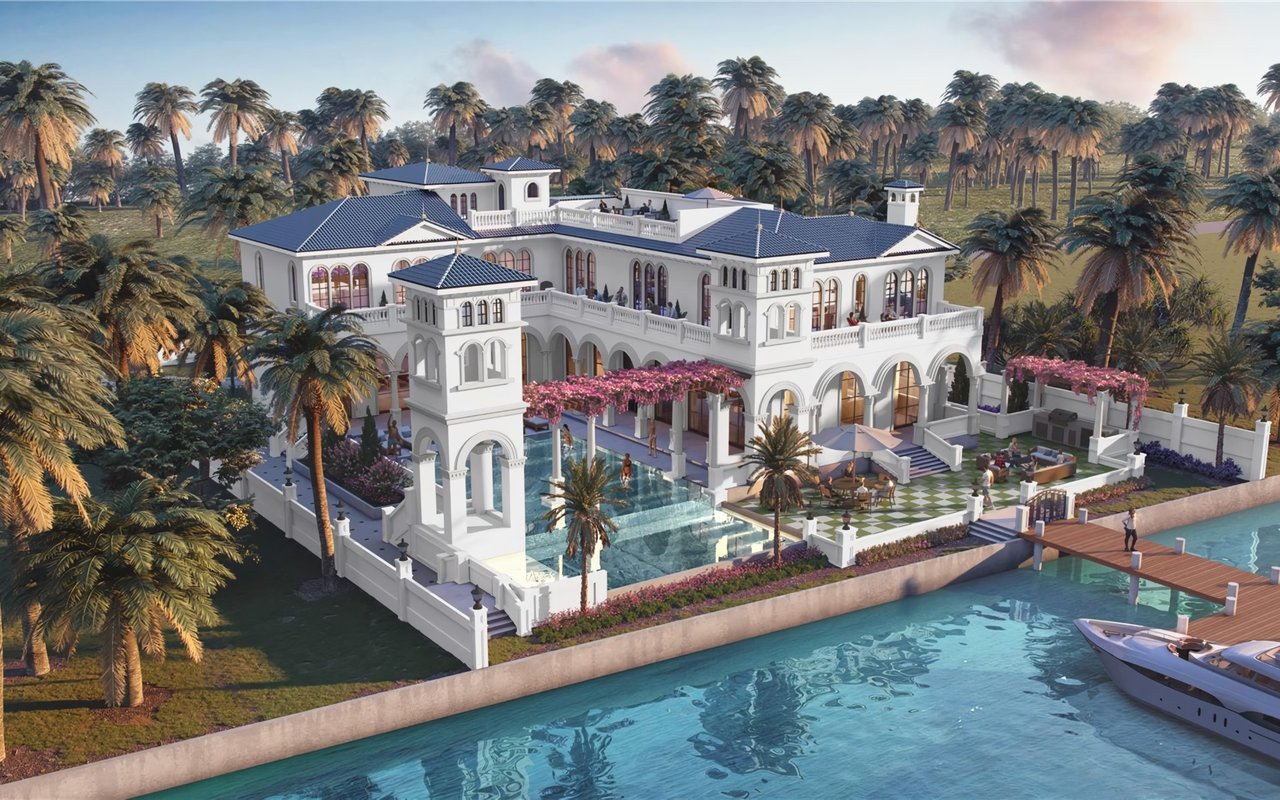
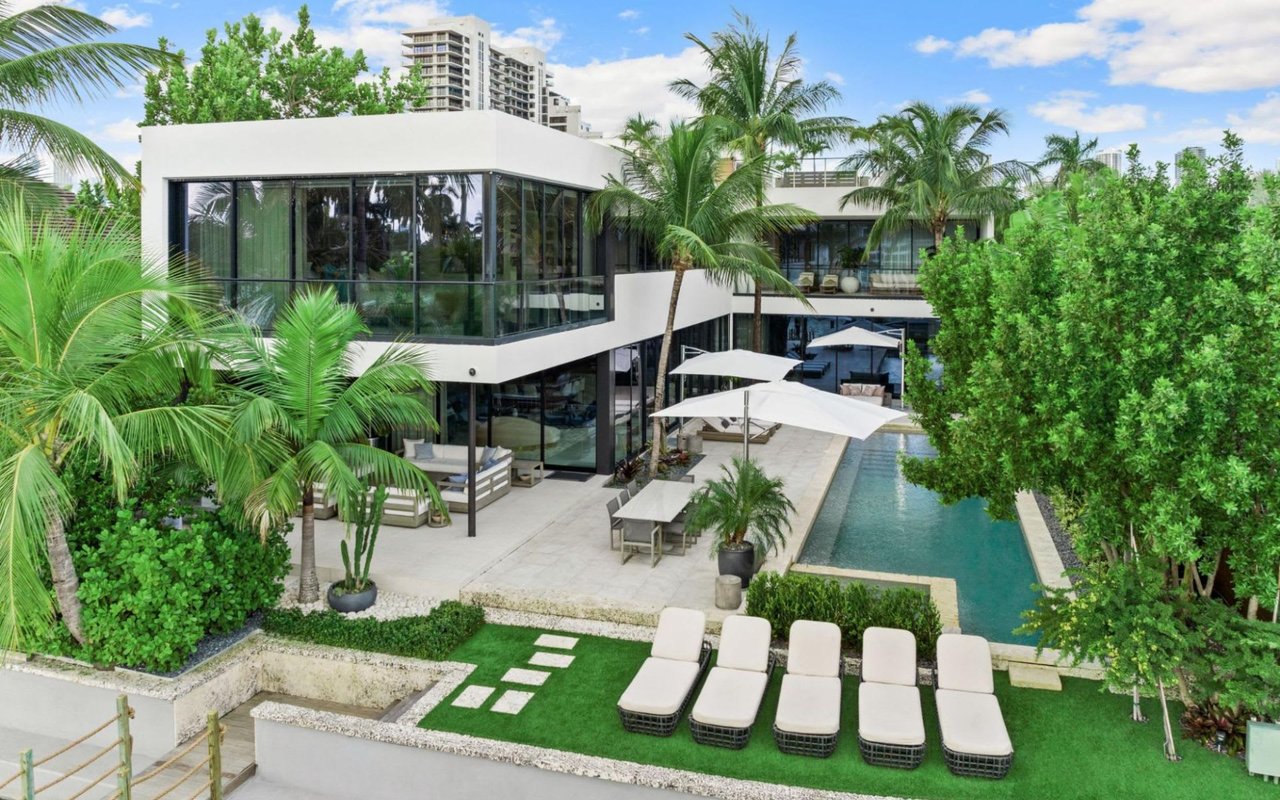
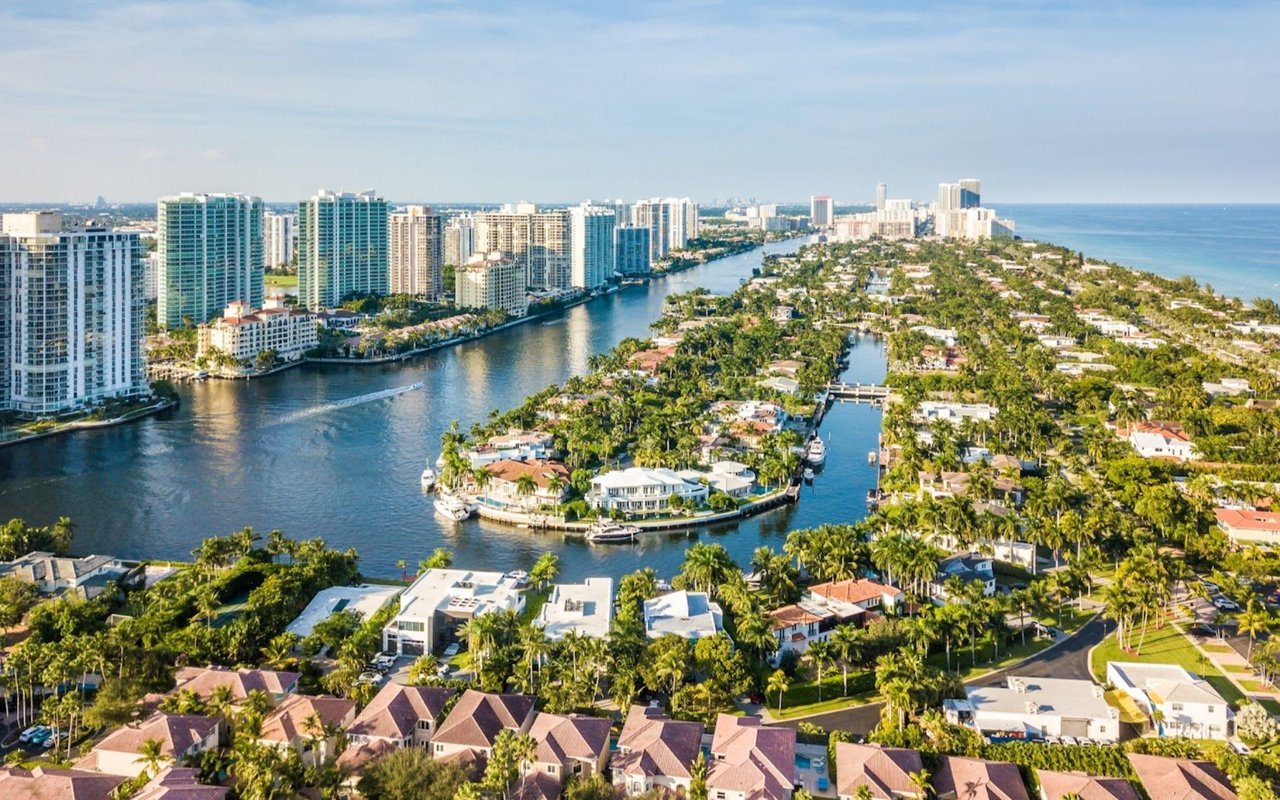
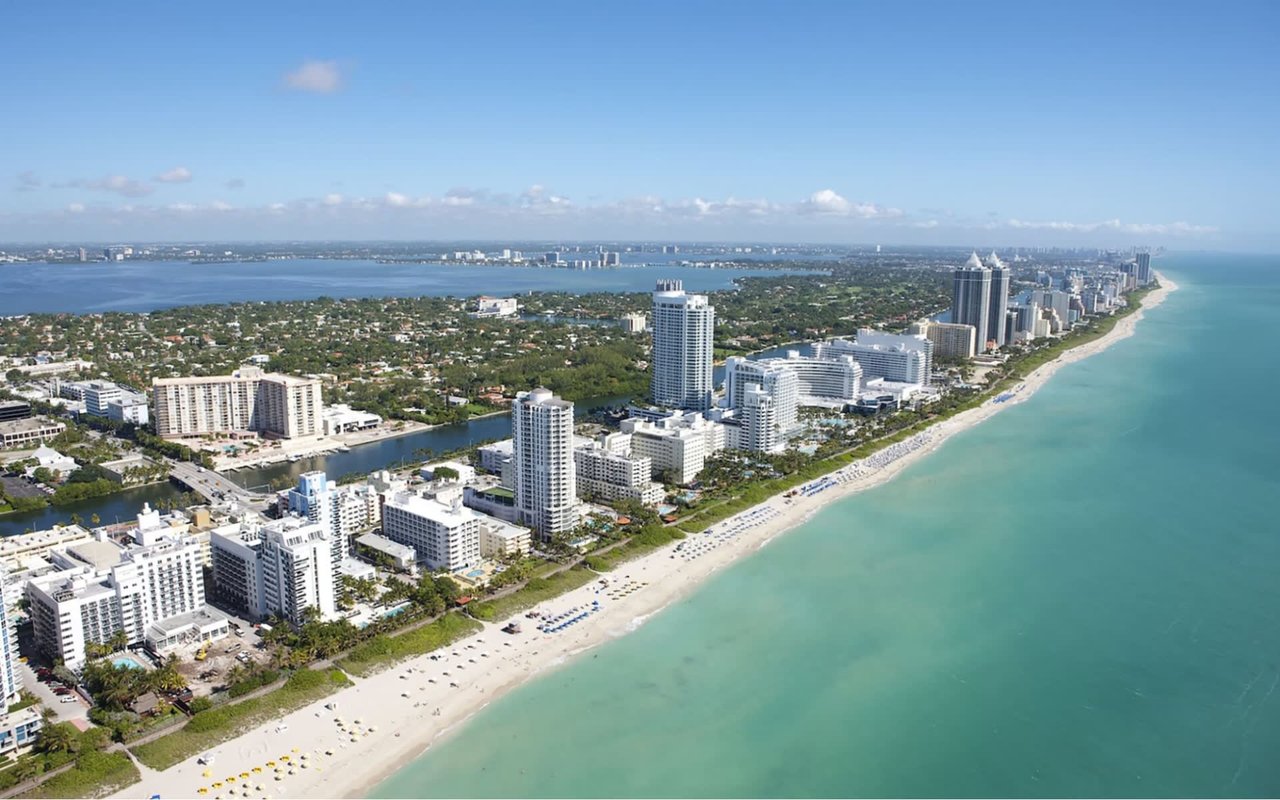
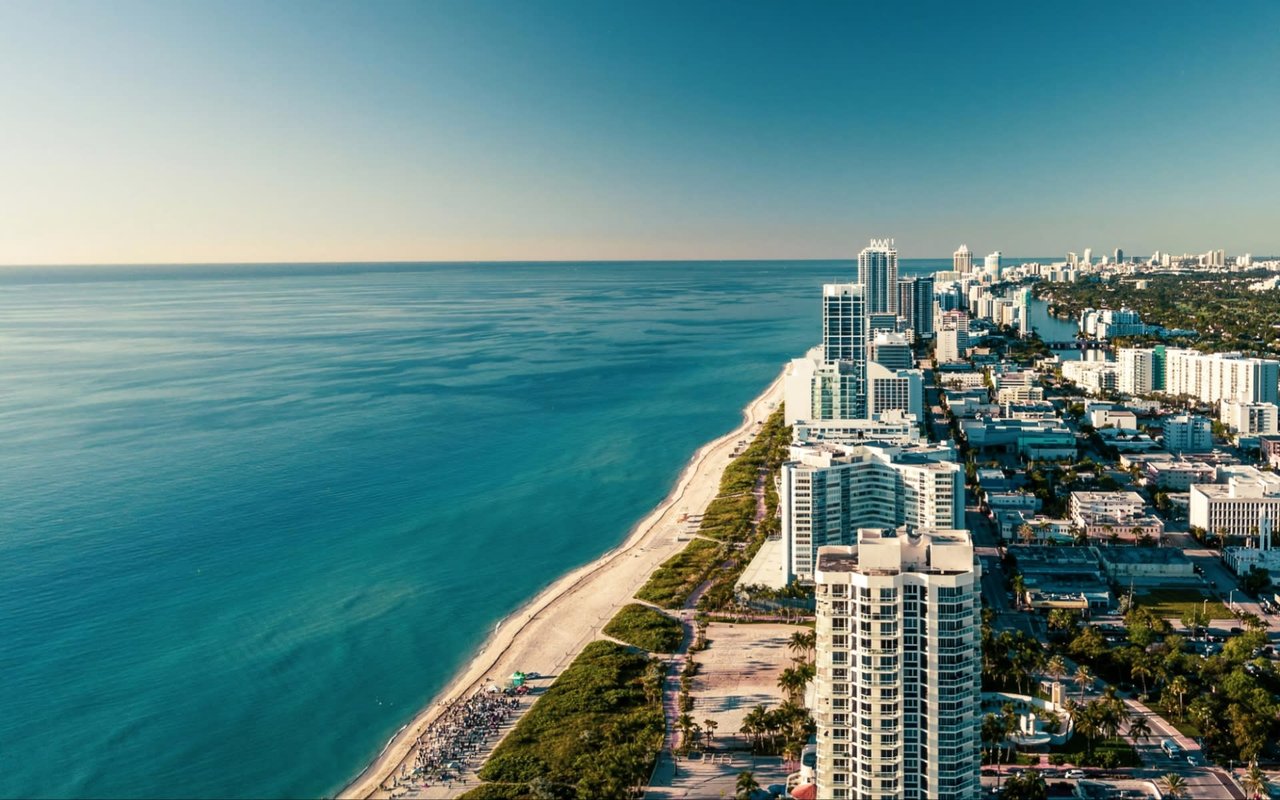
Miami and Miami‑Dade remain among the most active U.S. destinations for international buyers, with strong demand from Latin America, Canada, and Europe. Motivations range from lifestyle and portfolio diversification to long‑term U.S. market access. You will find a deep inventory of luxury condos and waterfront estates across neighborhoods like Brickell, South of Fifth, Miami Beach, Coconut Grove, Coral Gables, and Sunny Isles. For current thresholds that define “luxury” by area, review the latest local market reports and recent data from the National Association of Realtors’ international transactions profile. You can explore national context in the NAR report on international transactions to see how Miami fits into the broader picture.
Proof of funds basics
Having your proof of funds ready strengthens your position and speeds up negotiations.
- Acceptable documents include recent bank statements showing liquid funds or a bank letter on official letterhead. If funds come from a recent sale, a certified closing statement can help.
- Date documents within 30 days when possible, and ensure they clearly show account owner, bank details, and balances. Some sellers ask for a banker’s verification including SWIFT/BIC.
- Expect know‑your‑customer and anti‑money‑laundering checks by U.S. banks and title companies. Large international wires often trigger additional document requests and timing reviews.
Pro tip: Share redacted proof of funds with your agent for offer submission, then be prepared to provide originals or bank‑issued confirmations to the title company before closing.
Financing for foreign nationals
Many international buyers pay cash, but foreign‑national mortgage programs are widely available through major banks and specialty lenders.
- Down payment: Plan for 20 to 50 percent down. High‑value loans and investment properties often require lower loan‑to‑value ratios.
- Rates: Expect interest rates to be higher than for U.S. residents. Programs vary by lender and borrower profile.
- Documentation: Be ready with a valid passport, visa or status details if applicable, international bank statements for 12 to 24 months, employment or business ownership verification, and an explanation of source of funds. If you lack a U.S. credit score, lenders may accept international credit reports or reference letters.
- Reserves: Many lenders ask for 6 to 12 months of payments in reserve. Investment properties may require more.
- Property eligibility: Some lenders limit financing on specific condo projects, buildings with high investor concentration, or certain ownership structures.
Timeline expectations: Pre‑approval can take 2 to 6 weeks for foreign buyers due to document collection and international verification. If you finance, add 2 to 4 or more weeks to a typical cash closing.
Condo approvals and rules
If you are buying a condominium, the association’s documents guide everything from budgets to leasing.
- Resale package: After contract, request the association’s disclosures and estoppel or resale certificate. Review budgets, fees, insurance, pending litigation, and any special assessments.
- Leasing and investor rules: Many buildings have minimum lease terms, investor caps, or waiting periods before you can rent after purchase. If you plan to rent, confirm the rules upfront and ask your agent to verify local short‑term rental ordinances.
- Board approvals: Many associations require an application, background checks, and a board interview or approval. This can add days or weeks to your timeline.
For governance and disclosure standards, see Florida’s Condominium Act in Chapter 718 of the state statutes. It provides a framework for how associations operate and what they must disclose to buyers.
Building safety and reserves
Since the 2021 Surfside tragedy, buyers and associations have focused more on structural health, reserve funding, and engineering reports.
- Request the most recent structural inspection or recertification report and any engineer letters related to major repairs.
- Review the reserve study, meeting minutes, and notices of planned projects or special assessments.
- Confirm the building is current with local recertification schedules and has a plan to fund required work.
To understand recertification processes and permitting in Miami‑Dade, start with the county’s Building Department resources. For high‑value purchases, consider an independent engineer review or a building‑condition addendum.
Closing timelines and logistics
Your path to closing will vary depending on payment method, building approvals, and document readiness.
- Cash purchases: Often 7 to 21 business days if all parties cooperate and documents are complete.
- Financed purchases: Typically 30 to 60 days for foreign nationals due to underwriting, appraisal, and extended document verification.
- Condo approvals: Add 2 to 6 or more weeks when associations or board approvals run slow.
Key steps and considerations:
- Title work and insurance: A standard title search and owner’s title insurance policy protect your interests. If you want a primer, review the American Land Title Association’s overview of title insurance for homeowners.
- Settlement and escrow: Choose a title company experienced with international closings, large inbound wires, and cross‑border documentation.
- Wire safety and AML/KYC: Confirm all wire instructions by phone using a verified number. The Consumer Financial Protection Bureau offers guidance on what to know about wiring money at closing.
- Notarization and apostille: Some documents must be notarized or apostilled, depending on your country. Florida permits remote online notarization in many cases, subject to lender and title requirements. For more on apostilles and notaries, see the Florida Department of State’s notary and apostille resources.
Plan for logistics that can slow international closings. Time zone differences, bank holidays abroad, certified translations, and KYC reviews can add days. Build in buffers and keep communication central and clear.
Insurance and flood planning
Coastal living includes specific insurance needs. Lenders require property insurance and often wind and flood coverage. Many Miami neighborhoods include FEMA flood zones where flood insurance is recommended or required. To check a property’s flood zone, use FEMA’s Flood Map Service Center. Be sure to price windstorm deductibles and policy timelines, especially during hurricane season from June through November.
Work with a cross‑border team
Your goal is a smooth, discreet experience with senior‑level guidance. Assemble a team that does international work every day.
- Real estate agent: Choose a local expert who understands luxury buildings, waterfront estates, and association nuances, and who can coordinate bilingual communications.
- Mortgage officer: Select a lender that actively offers foreign‑national programs and can provide timelines based on your documentation.
- Title and closing agent: Prioritize firms comfortable with international wires, apostilles, and remote notarization.
- Attorney: Retain a local real estate attorney for contract, title, and closing questions. This guide is not legal advice.
- Insurance broker: Use a broker who understands Florida coastal coverage, flood requirements, and windstorm deductibles.
- Tax advisor: Consult a U.S. tax professional about rental income, property taxes, and potential estate planning considerations.
Simple buyer checklist
Use this quick list to prepare your file and keep momentum.
- Passport and any related visa or status documents
- Proof of funds dated within 30 days
- For financing: international bank statements for 12 to 24 months, employment or business verification, and credit references
- Source of funds documentation for large transfers
- Notarized or apostilled documents if required for powers of attorney or corporate ownership
- Agreement on translation needs and preferred language for communications
- Verified wire instructions and a plan to confirm by phone
- Time buffers for association documents, board approvals, and bank reviews
How Carmenate / Duchon can help
You deserve confidence at every step, from identifying the right building or waterfront enclave to navigating association rules, recertification status, and closing logistics. Our team pairs design‑forward market expertise with discreet, senior‑agent access, supported by a global brokerage platform for cross‑border distribution. We coordinate the right bilingual partners and keep your transaction moving with clear, verified communication and curated property insight.
If you are considering a Miami luxury condo or waterfront estate, request a private conversation. We will tailor a plan around your goals and preferred timeline, then guide you from offer through closing.
Ready to start? Book a private consultation with Carmenate / Duchon.
FAQs
What should an international buyer prepare first in Miami?
- Start with current proof of funds, a clear copy of your passport, and a conversation with a lender offering foreign‑national programs if you plan to finance.
What counts as acceptable proof of funds for Miami offers?
- Recent bank statements or a banker’s letter on official letterhead, dated within about 30 days, typically satisfy sellers and title companies.
How long does closing take for a financed foreign buyer in Miami?
- Most financed purchases take 30 to 60 days due to underwriting, appraisal, and document verification; cash closings can be faster.
Do Miami condo buildings allow rentals for new owners?
- Many buildings have leasing restrictions, investor caps, or waiting periods, so review association bylaws and application requirements before you buy.
What should I know about flood and wind insurance in Miami?
- Lenders often require flood and wind coverage; check a property’s FEMA flood zone and price hurricane deductibles and policy timelines in advance.
Can I close my Miami purchase from abroad?
- In many cases yes, using remote online notarization and couriered originals when required, subject to lender and title company procedures.