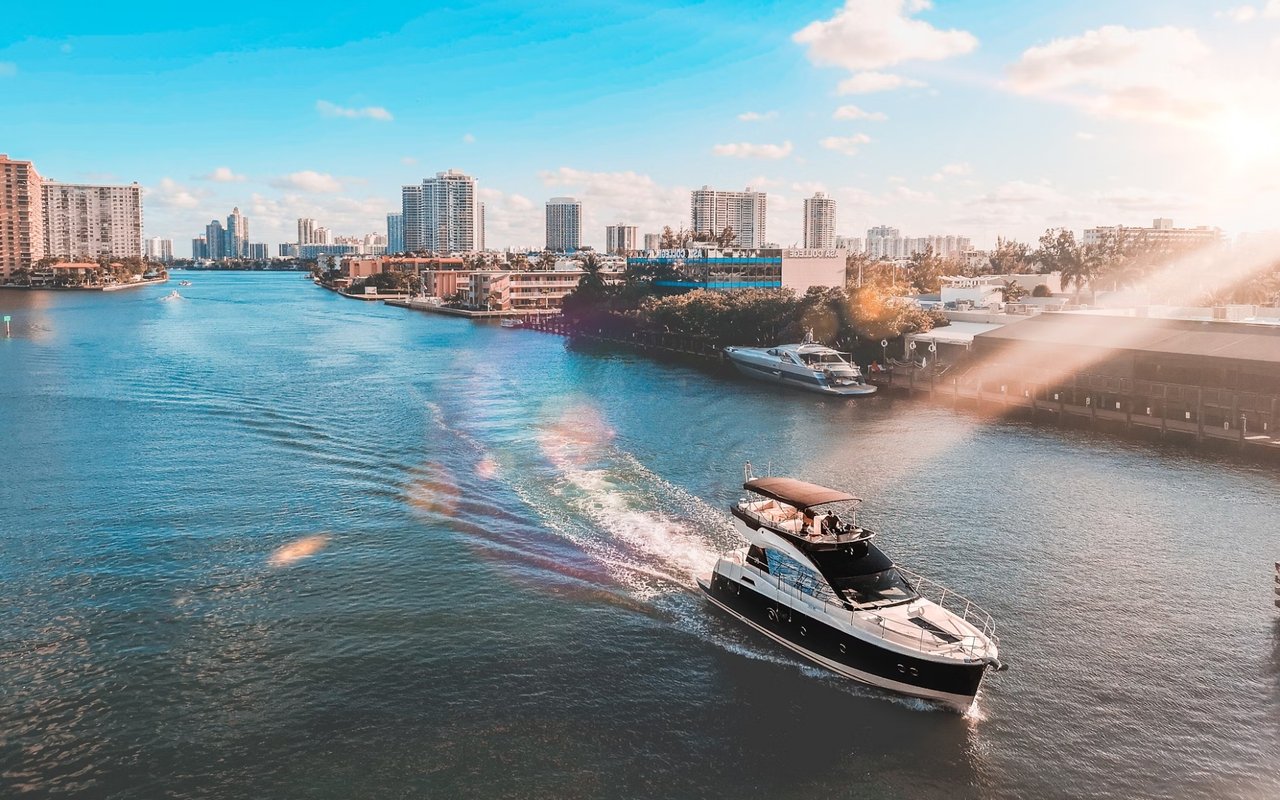
You want the ocean at your doorstep without the rush of a mega-resort city. In Surfside, daily life feels close and easy, with coffee, groceries, and the beach all within a few blocks. If you’re weighing Surfside against Bal Harbour or Miami Beach, this guide shows you how the town lives, what homes you’ll find, and what to know about costs and rules before you buy. Let’s dive in.
Surfside at a glance
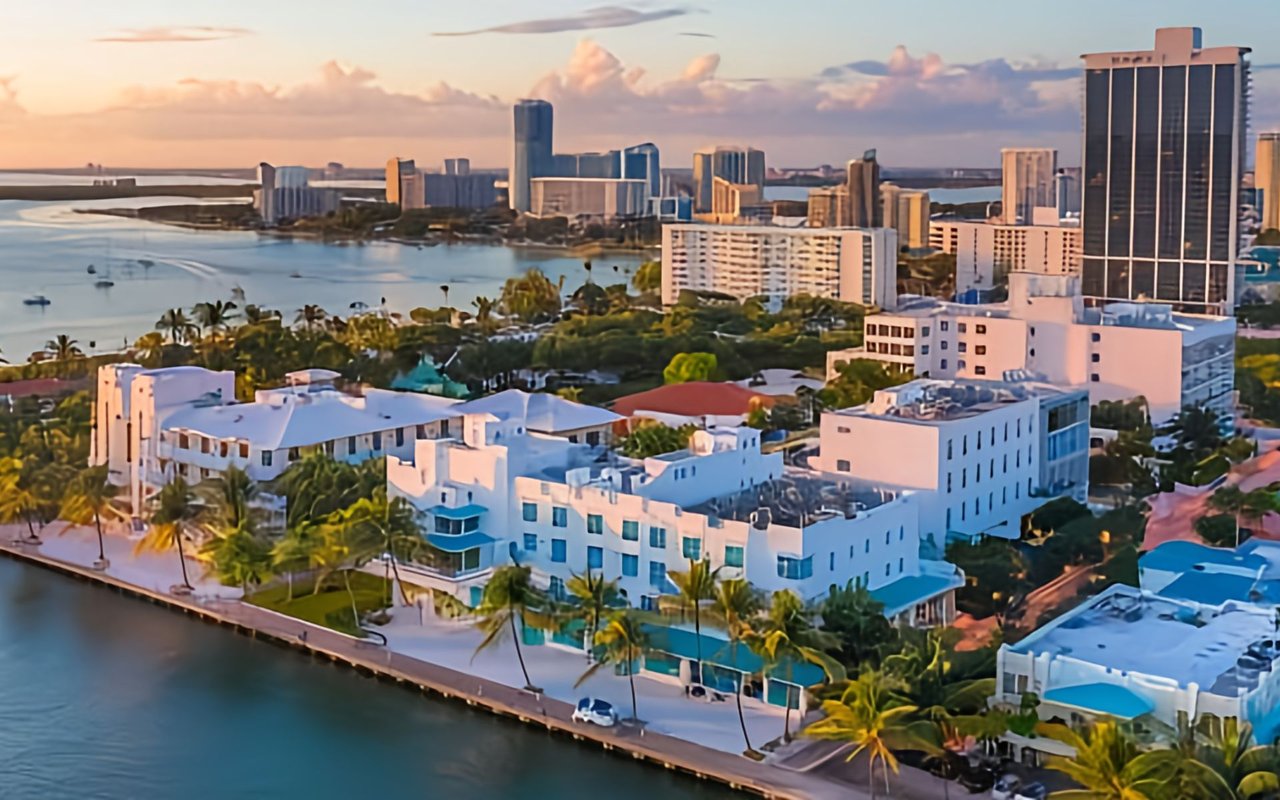
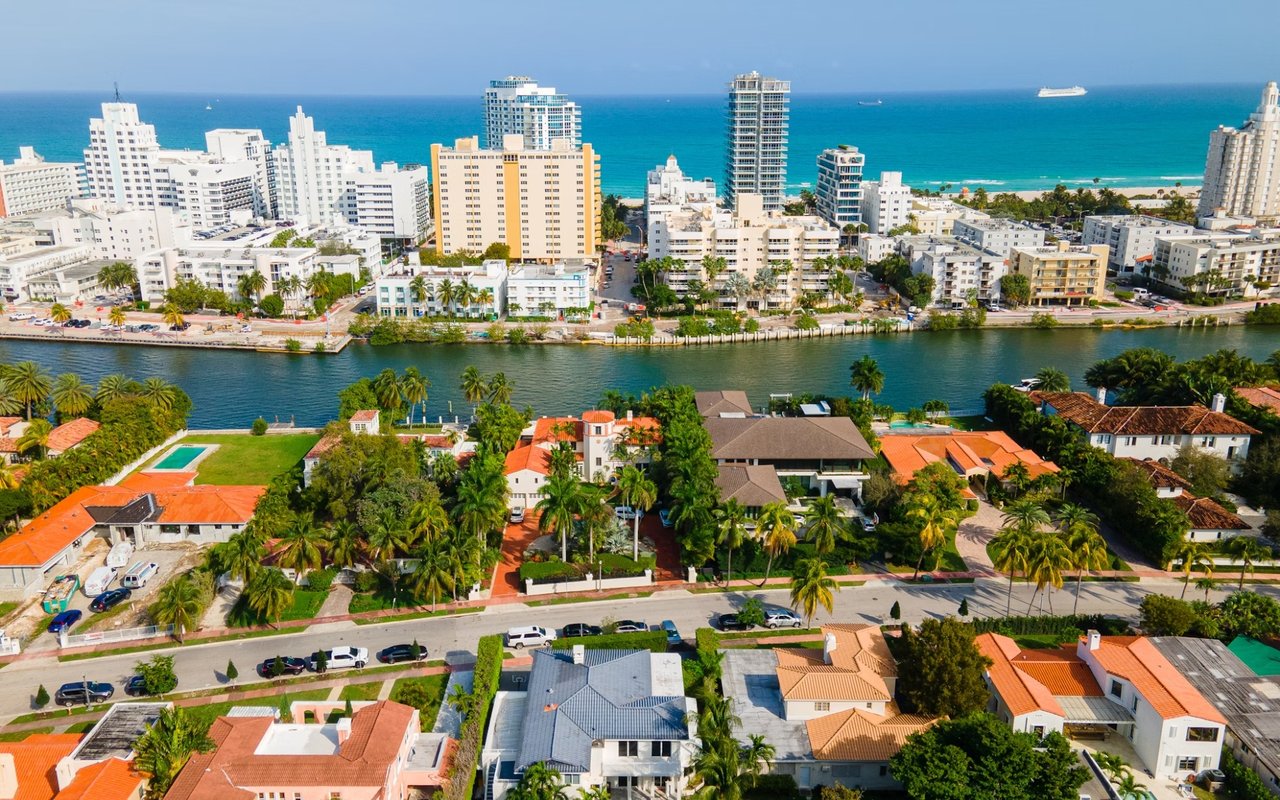
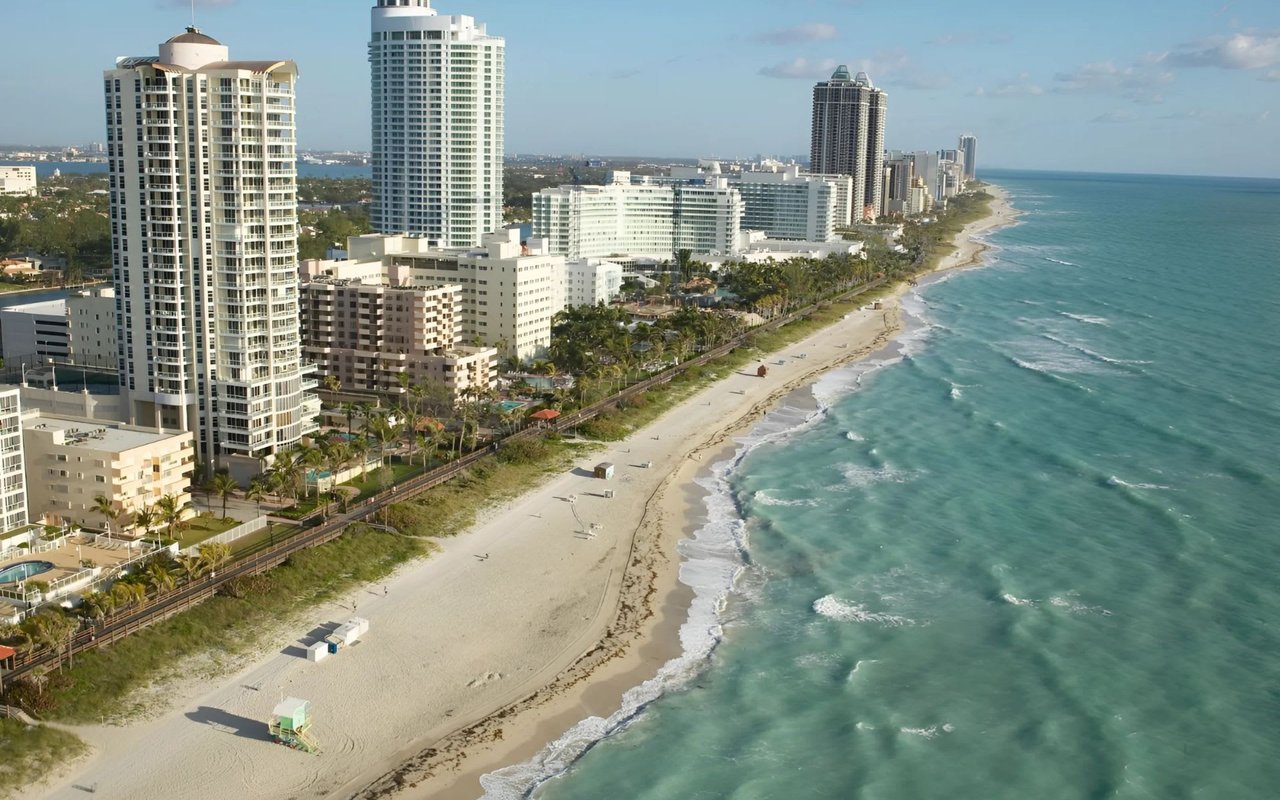
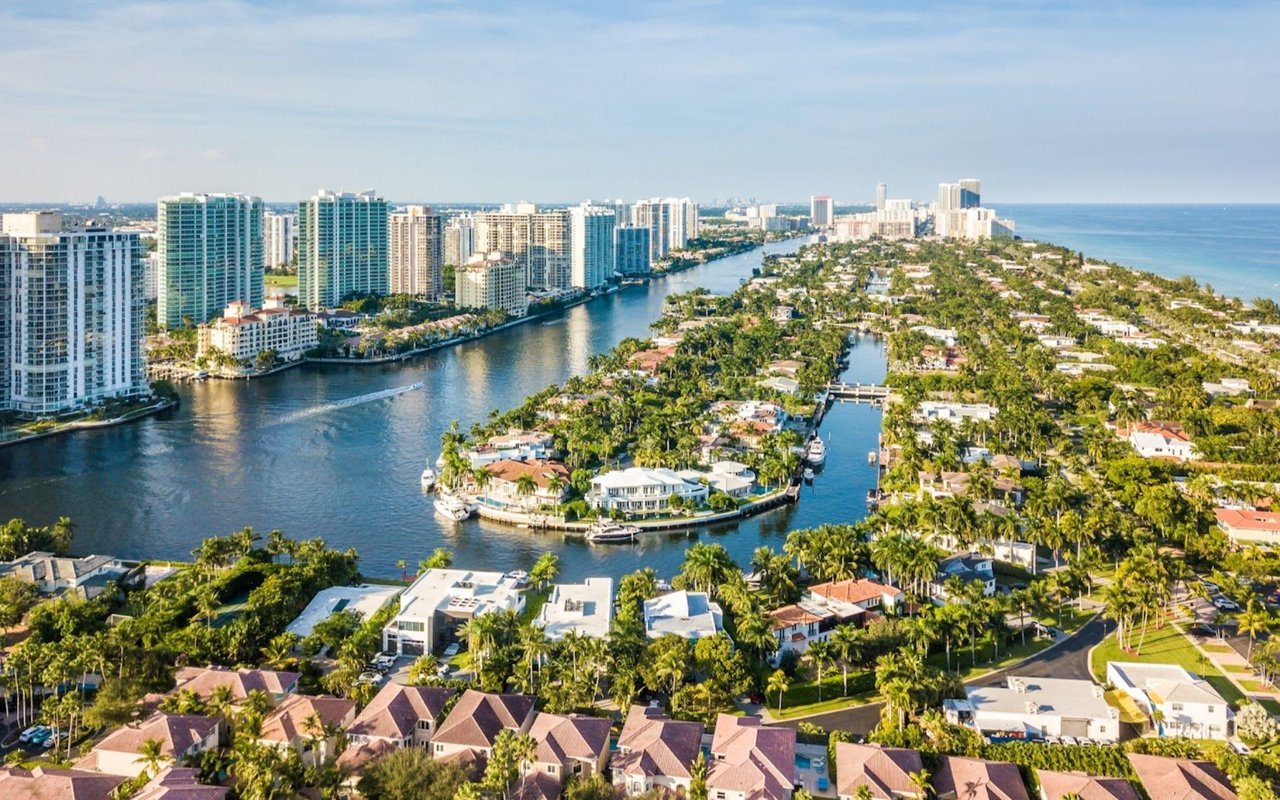
Set between Bal Harbour to the north and Miami Beach to the south, Surfside is a compact beachfront town in Miami-Dade County. The footprint is narrow and linear along Collins and Harding Avenues, so most homes sit a short walk from the sand. According to the 2020 count, Surfside’s population was 5,689, based on U.S. Census QuickFacts. For local services, parks, permits, and community updates, start with the Town of Surfside.
Daily rhythm on Harding and the beach
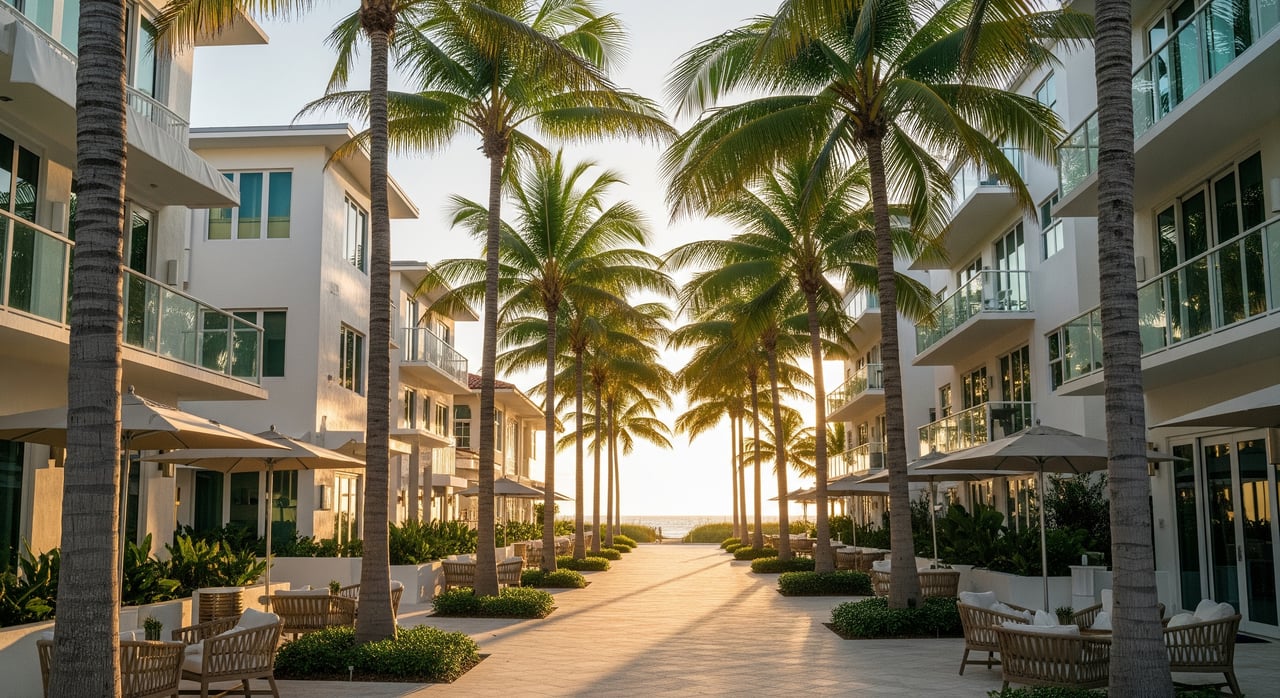
Surfside is known for its pedestrian-friendly scale. Short blocks and a single main street make daily errands simple, and many residents get around on foot. You can check area walkability data on Walk Score as a starting point.
Harding Avenue is the town’s commercial backbone. You’ll find independent boutiques, cafés and restaurants, professional services, salons, markets, and pharmacies. The vibe is more neighborhood-oriented than the large luxury shopping nearby.
Parks, beach access, outdoor time
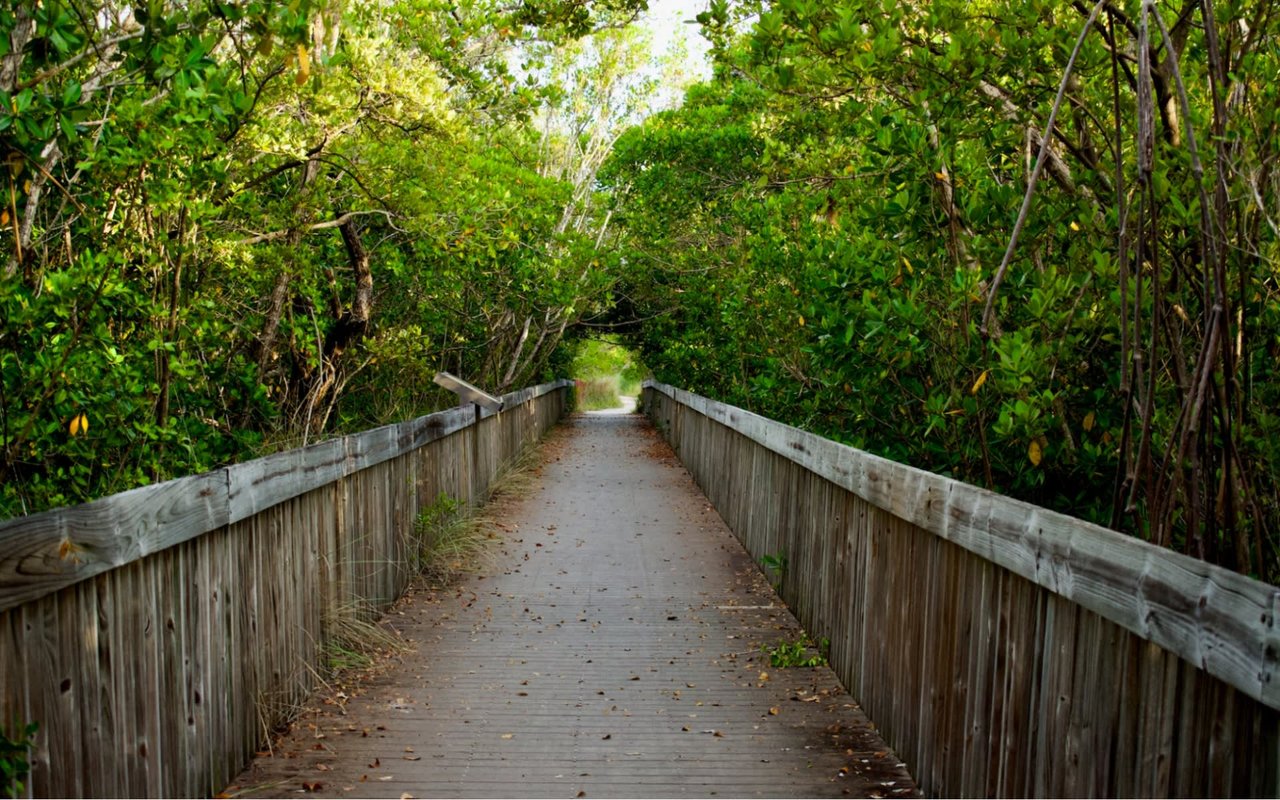
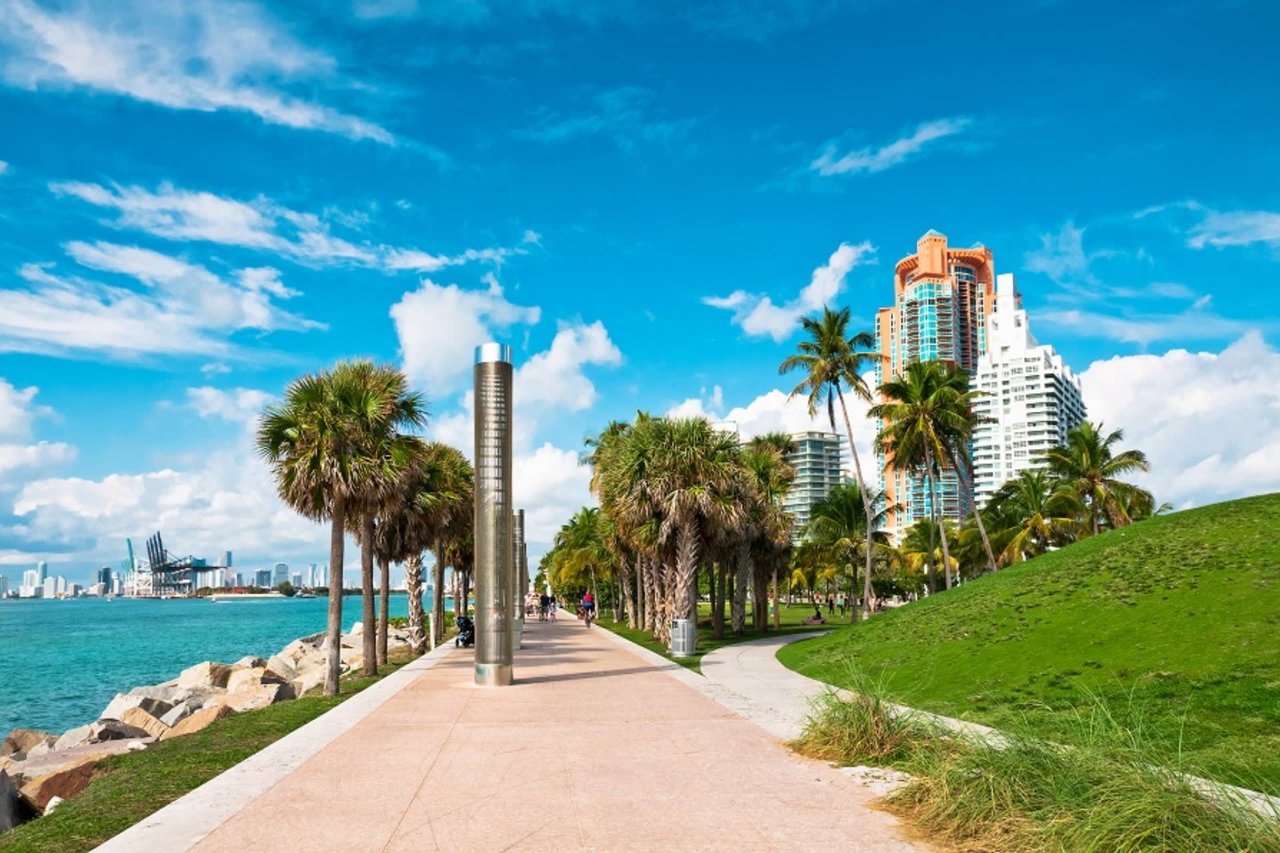
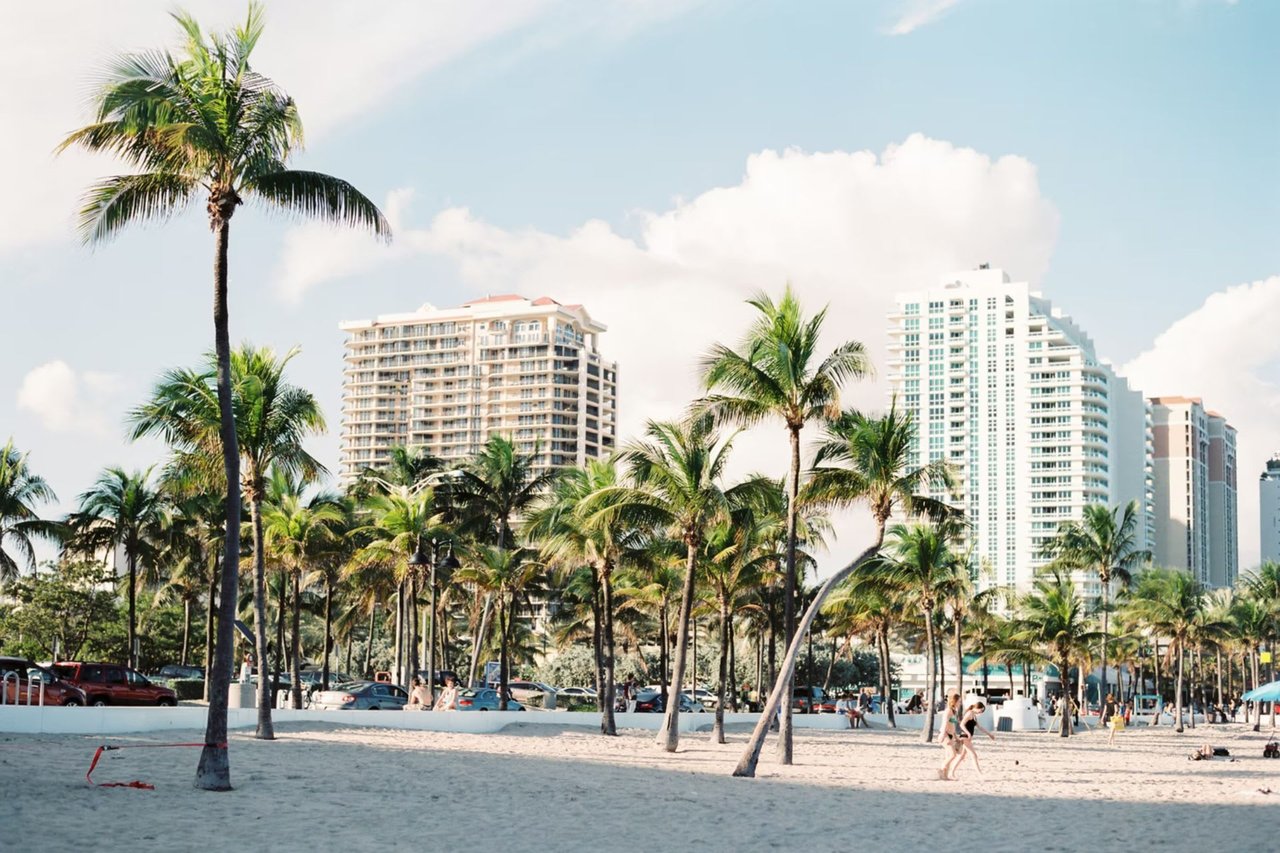
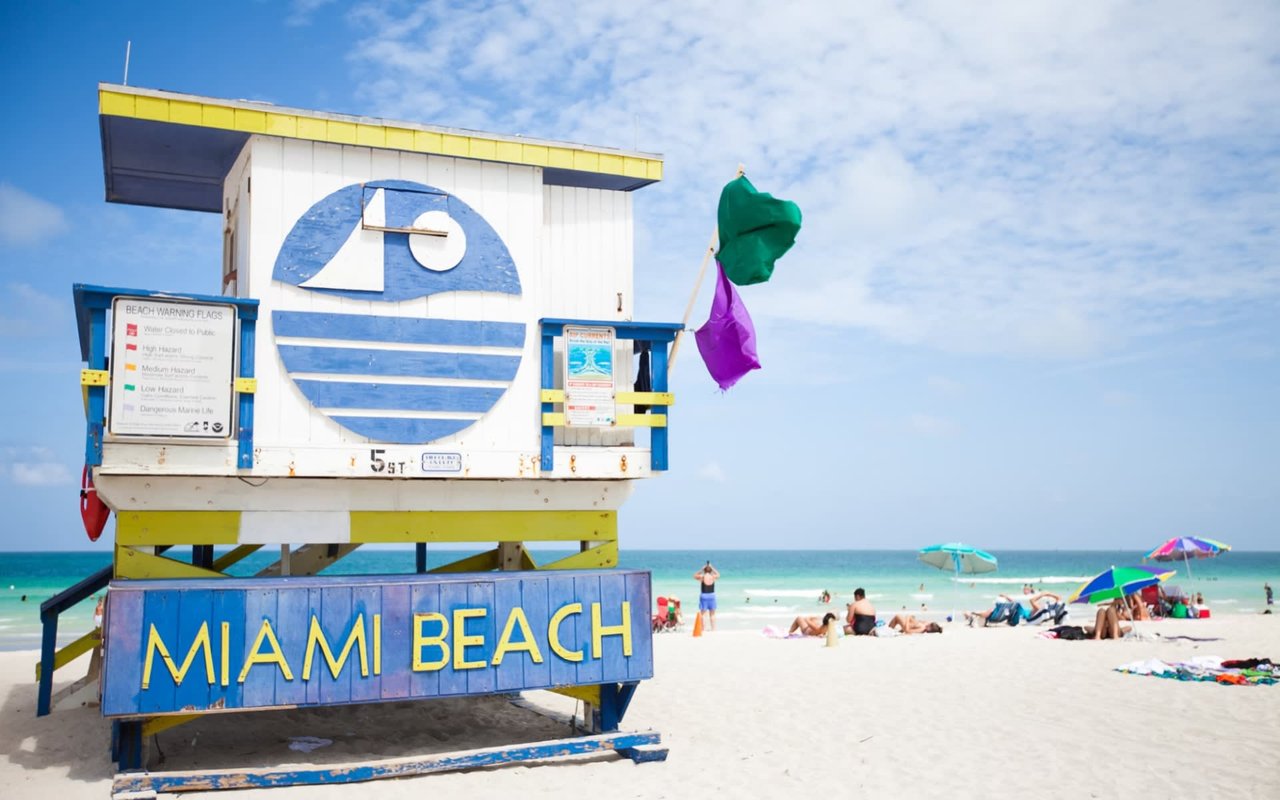
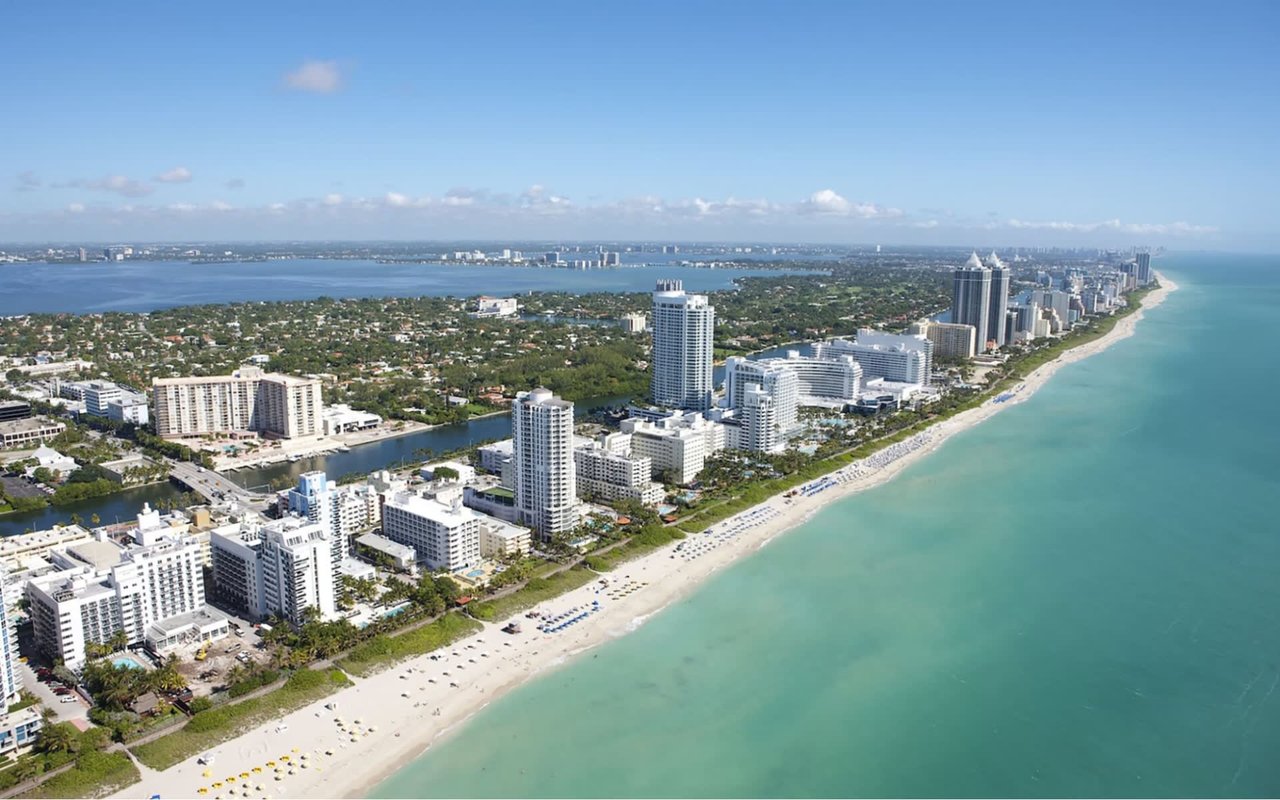
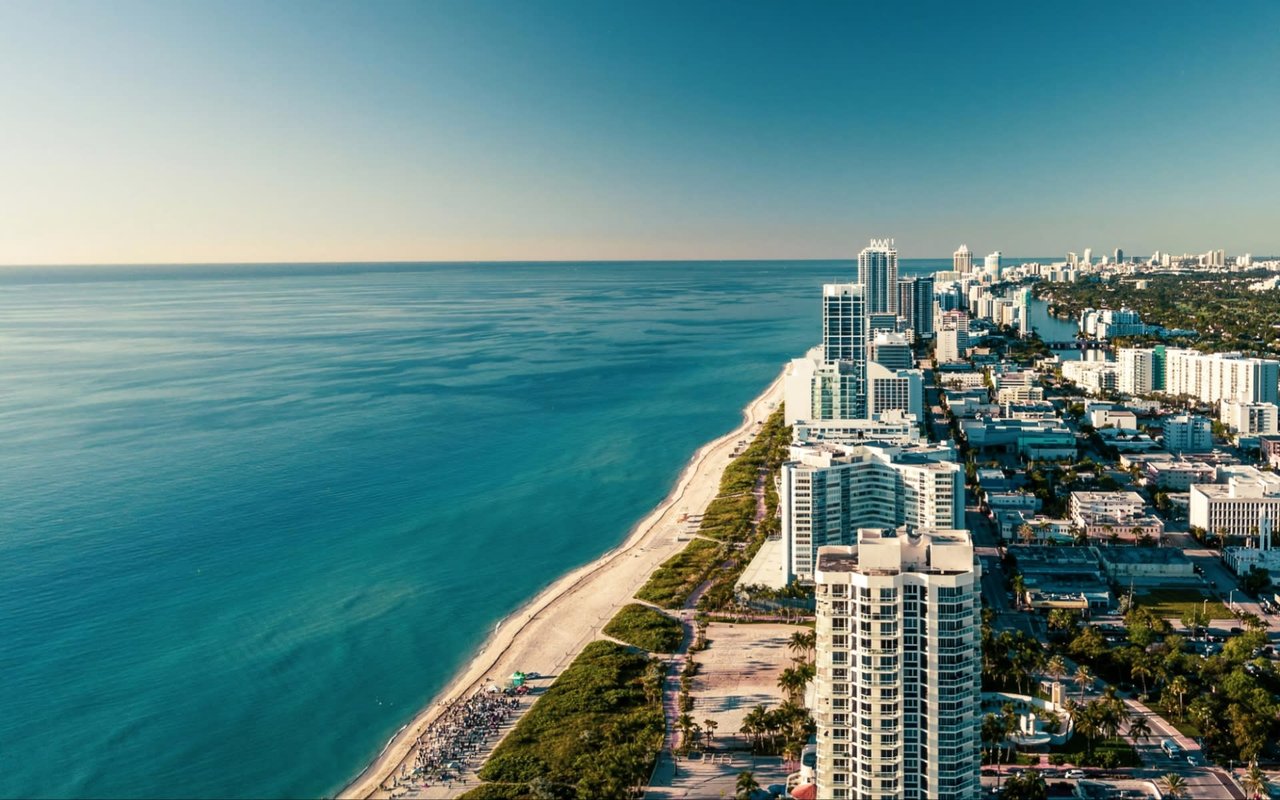
Public beach access points line the oceanfront, with paths for walking and year-round access for swimming and shoreline runs. The town maintains beach access and parks, and it manages lifeguard coverage at the local level. For specific locations and hours, visit Parks & Recreation on the Town of Surfside site.
Getting around Surfside
Surfside is primarily car and rideshare oriented, with Miami-Dade County bus routes running along Collins and Harding Avenues. For regional trips to downtown Miami, Brickell, Wynwood, or the airport, travel times vary widely by time of day. You can explore bus and county services at Miami-Dade County. Biking works for short trips, though streets are narrow and dedicated bike lanes are limited.
Schools and education options
Public schools are part of Miami-Dade County Public Schools. Many families explore nearby public options in adjacent communities, along with a range of private and religious schools across North Beach, Bay Harbor Islands, Bal Harbour, and Miami Beach. Confirm assignments and details directly with Miami-Dade County Public Schools.
Homes and buildings you’ll find
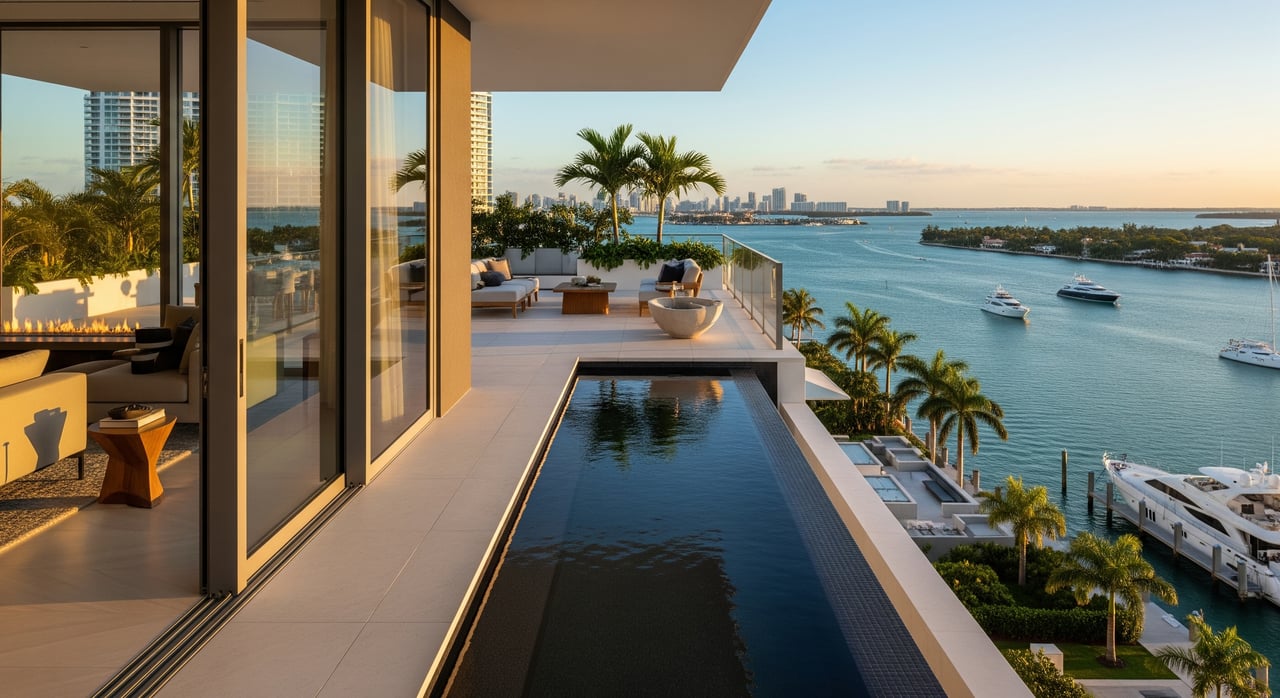
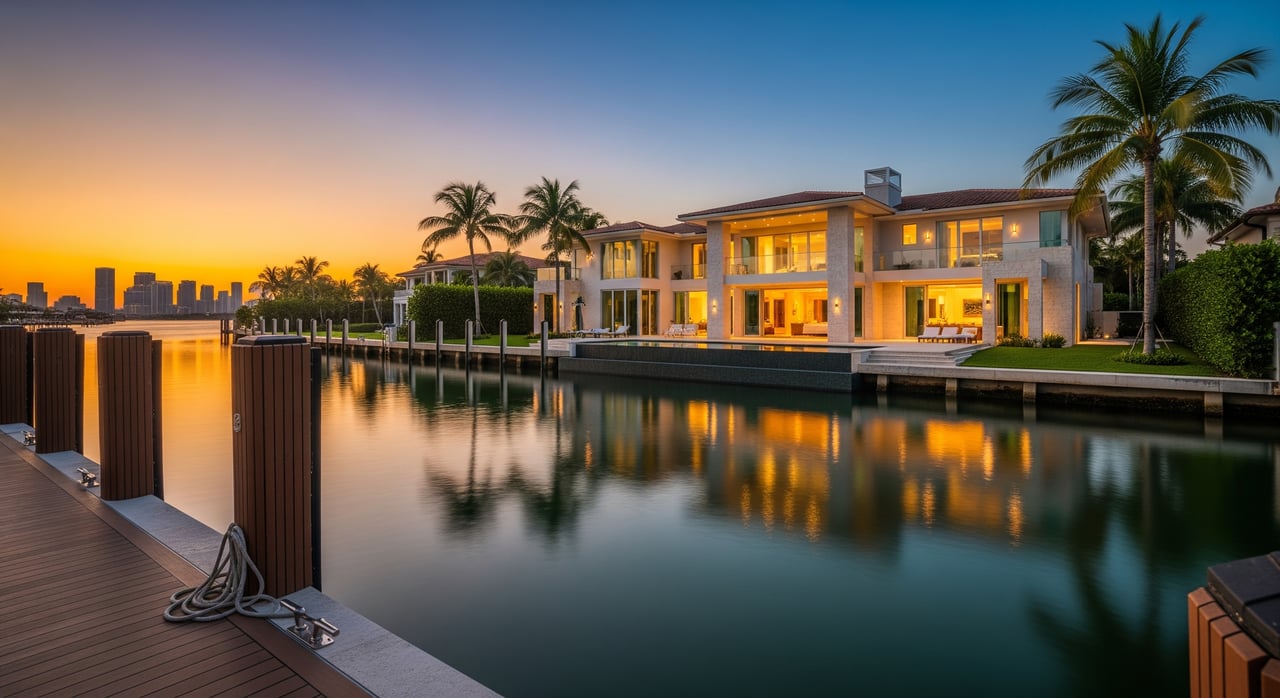
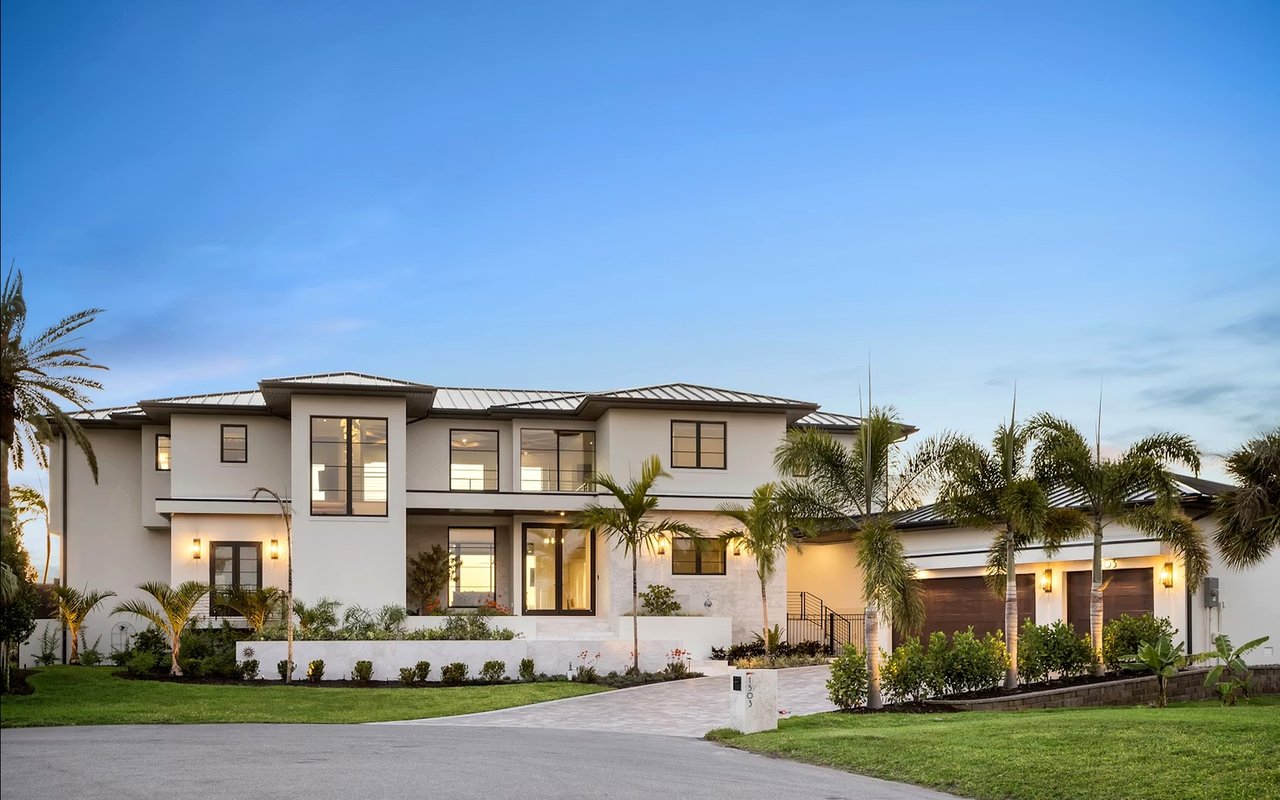
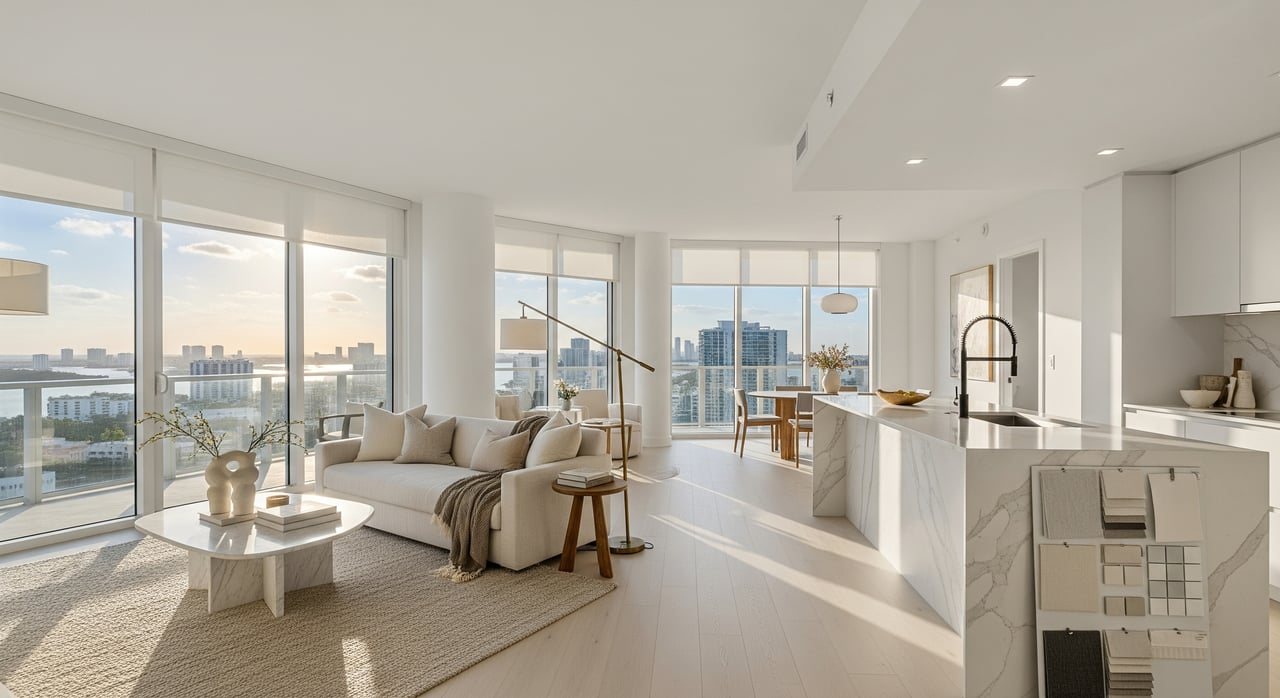
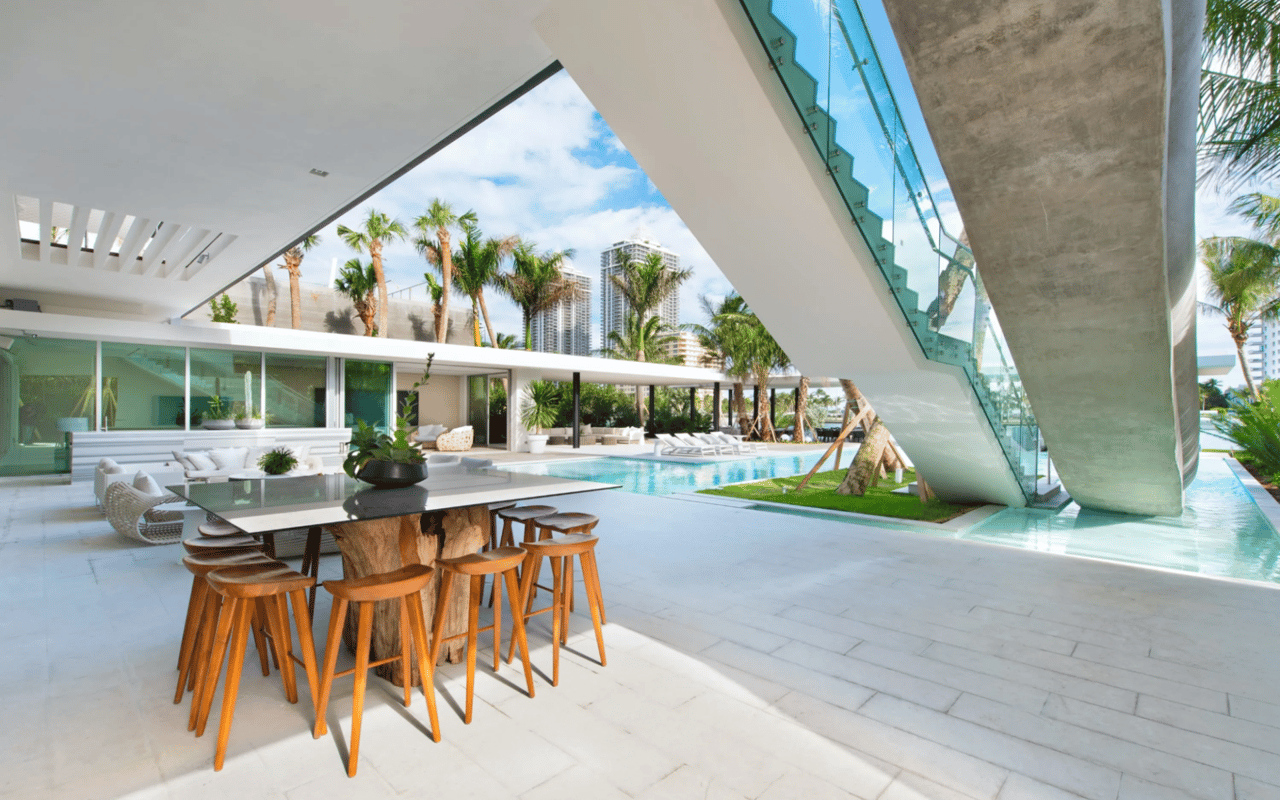
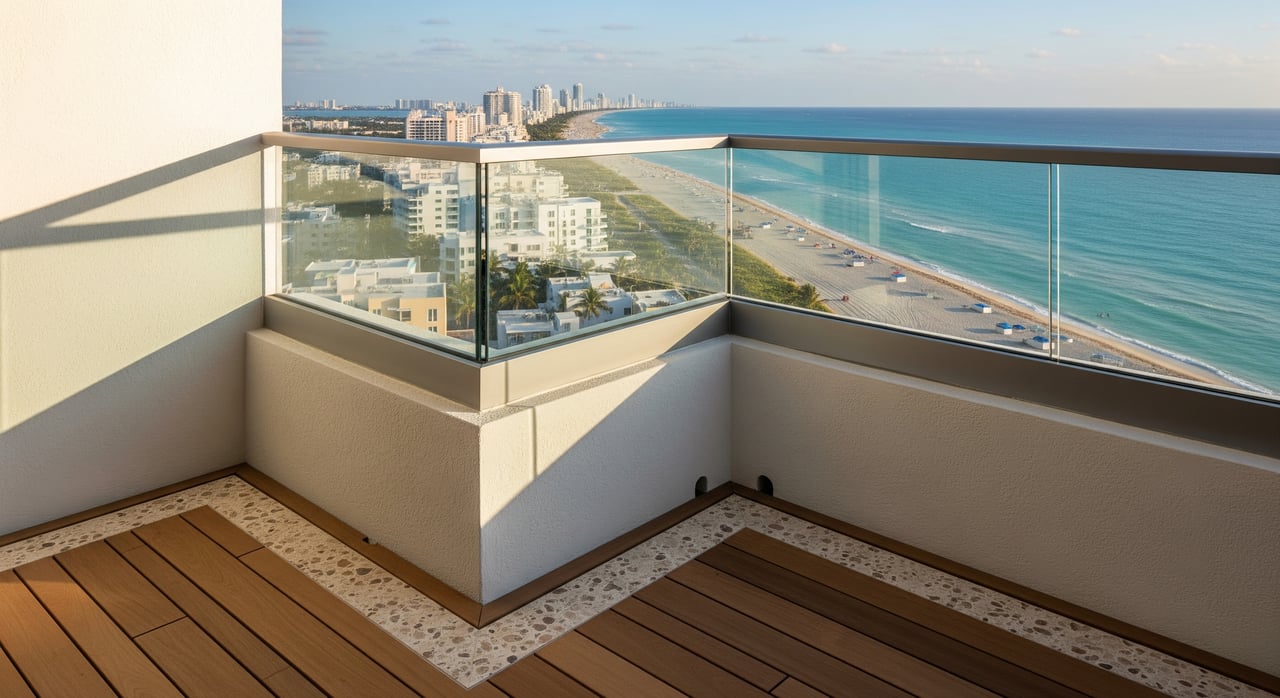
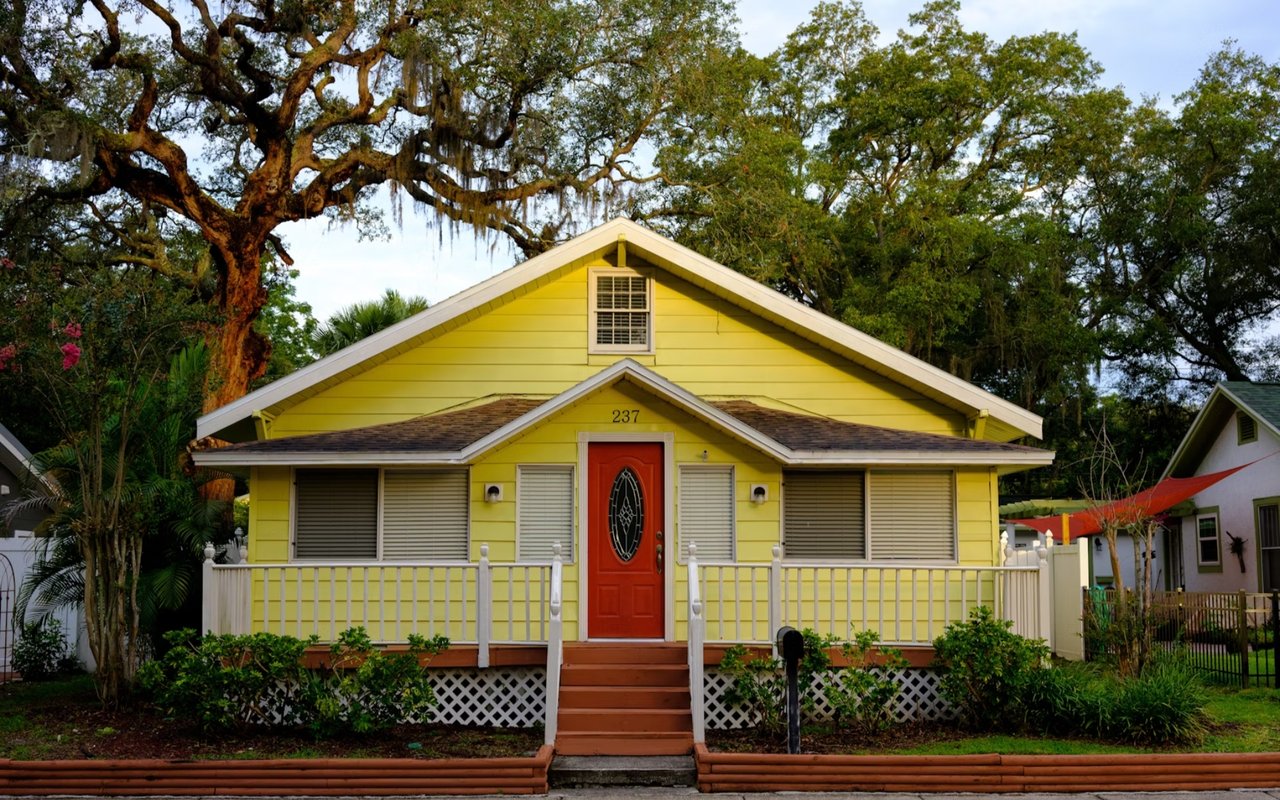
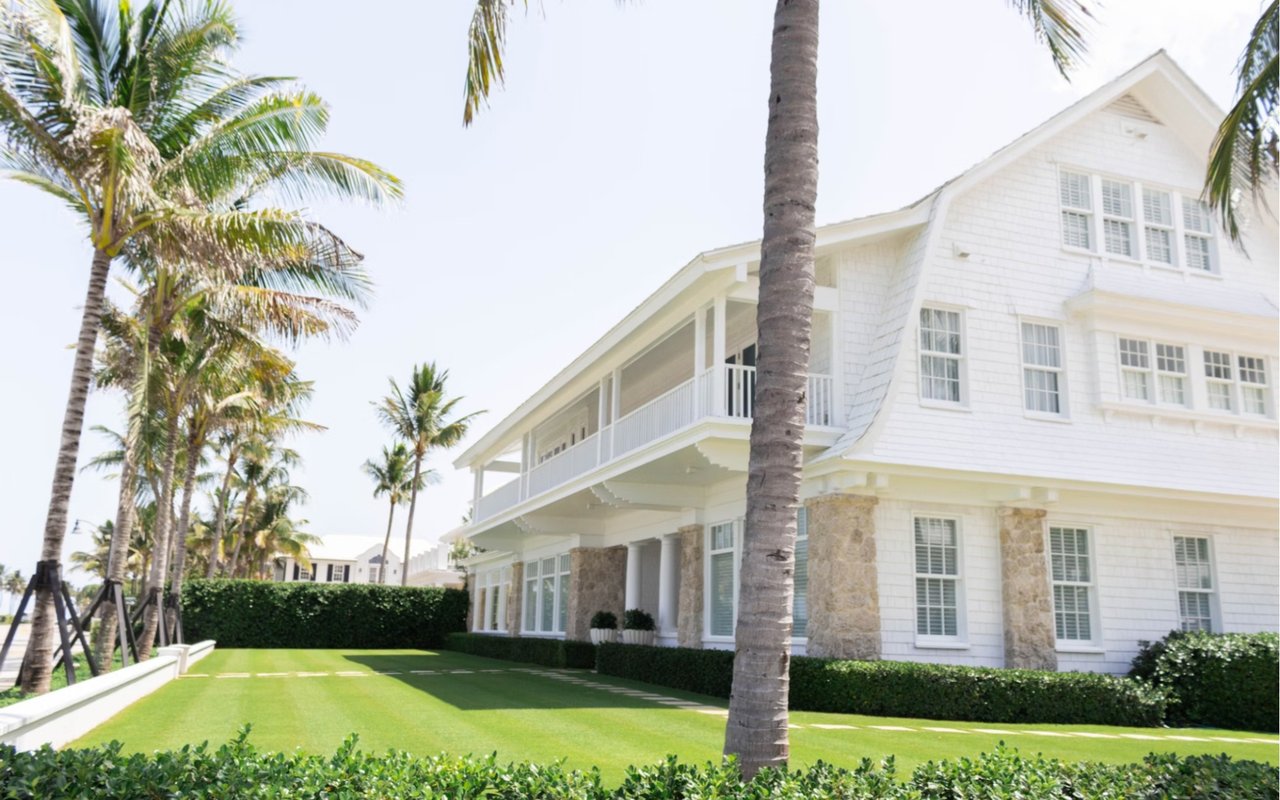
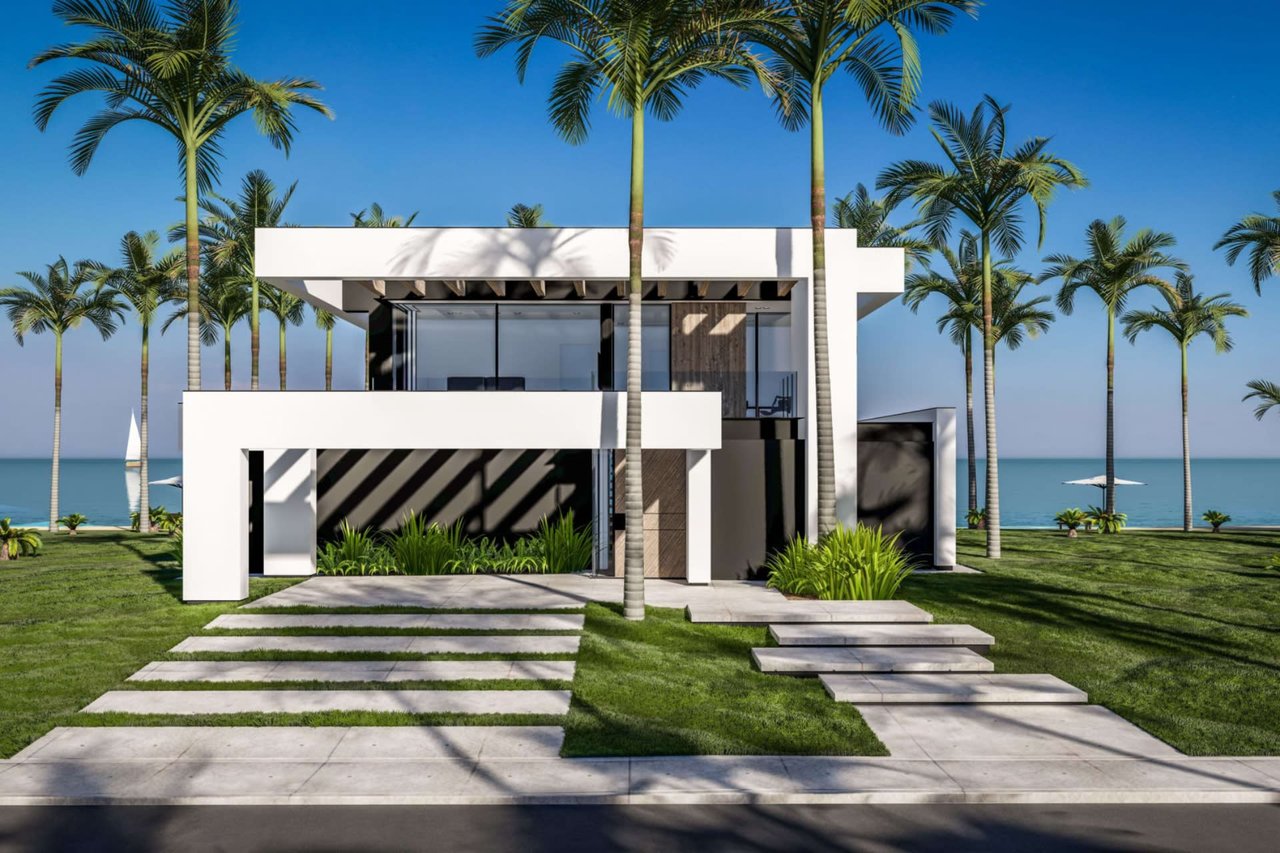
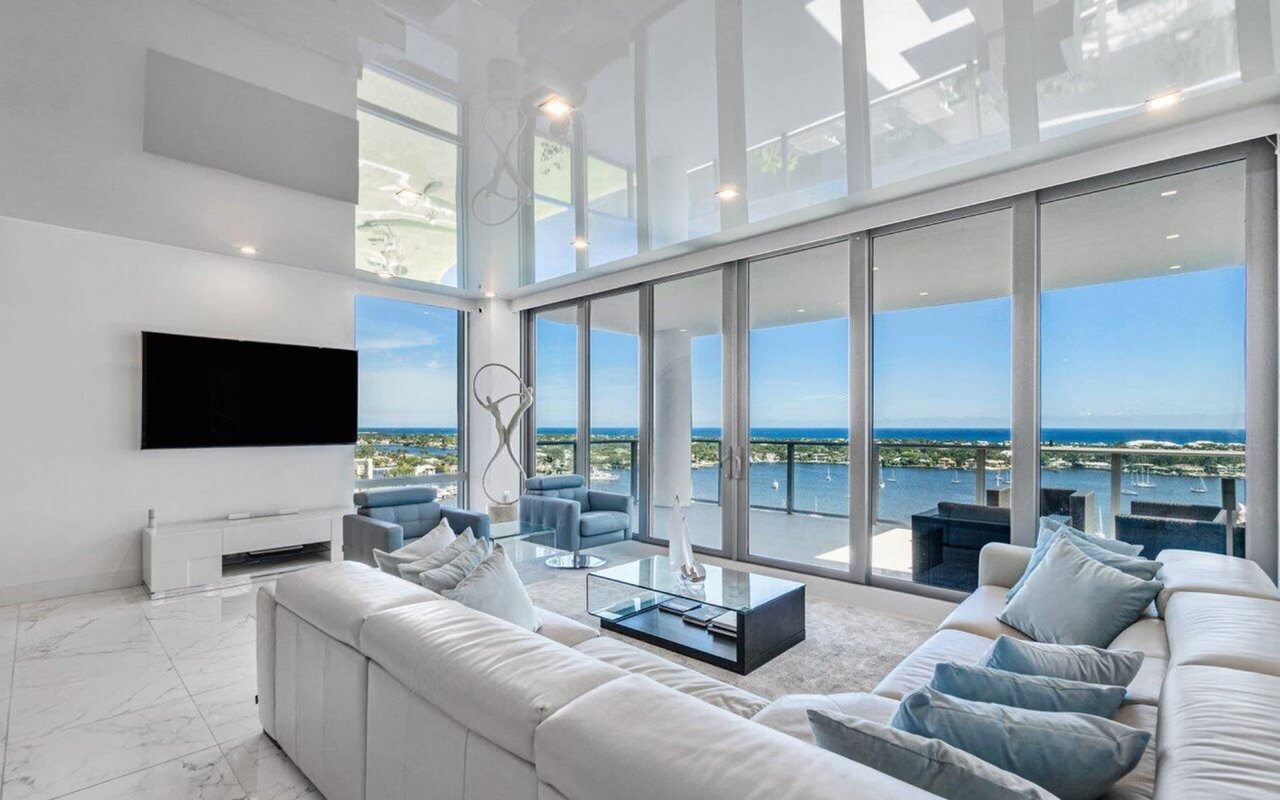
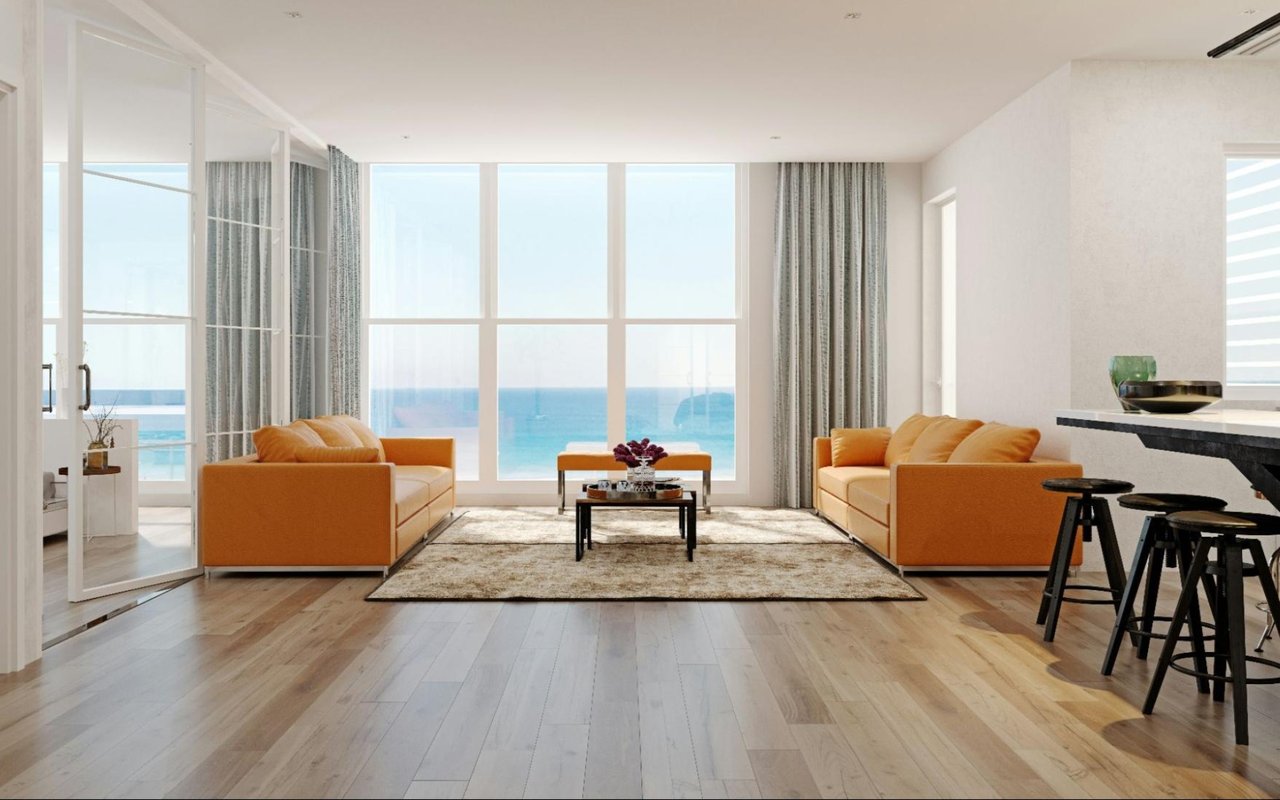
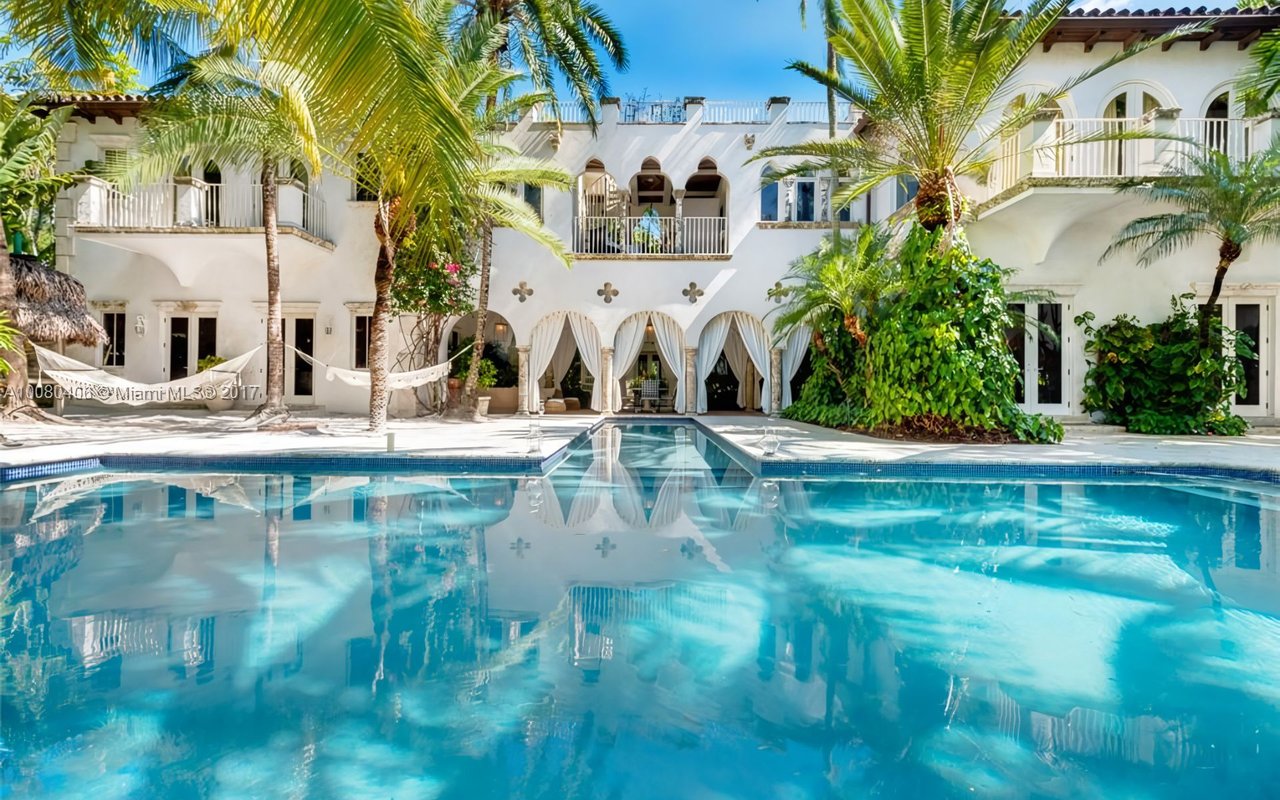
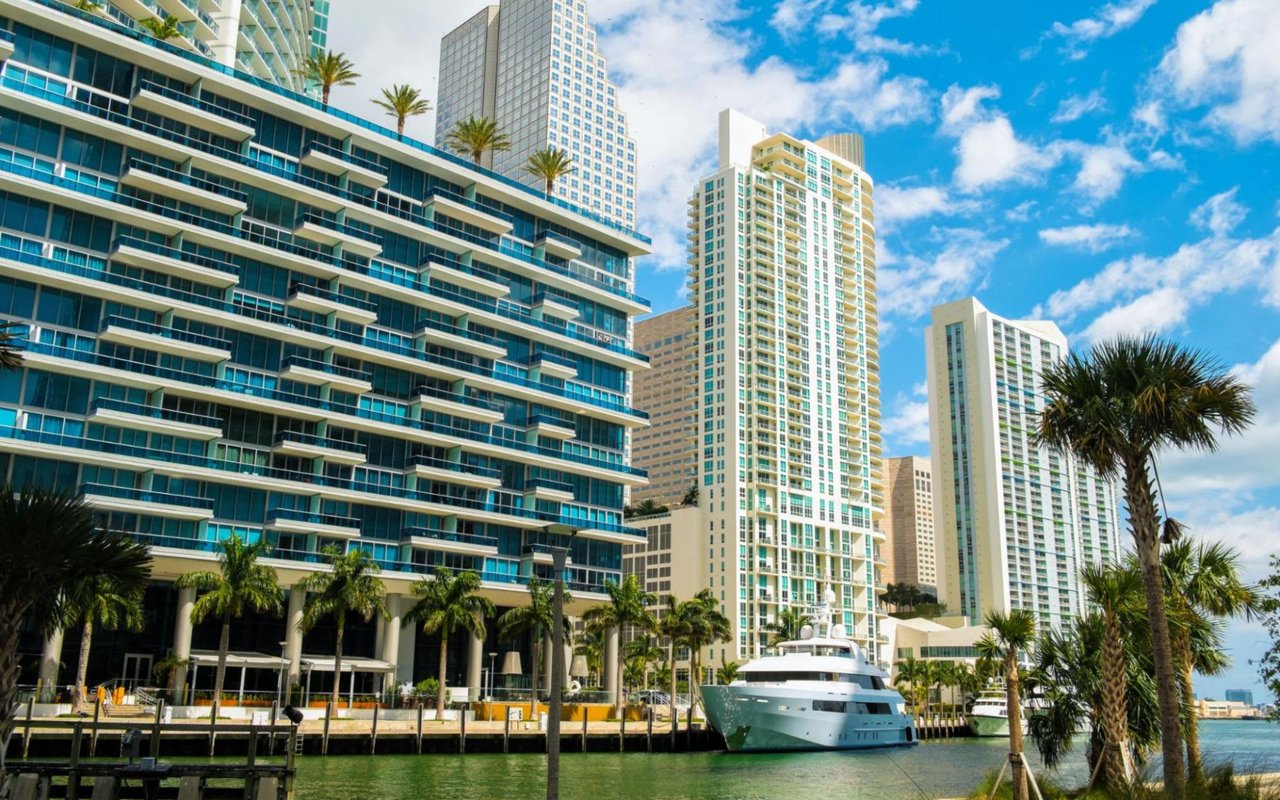
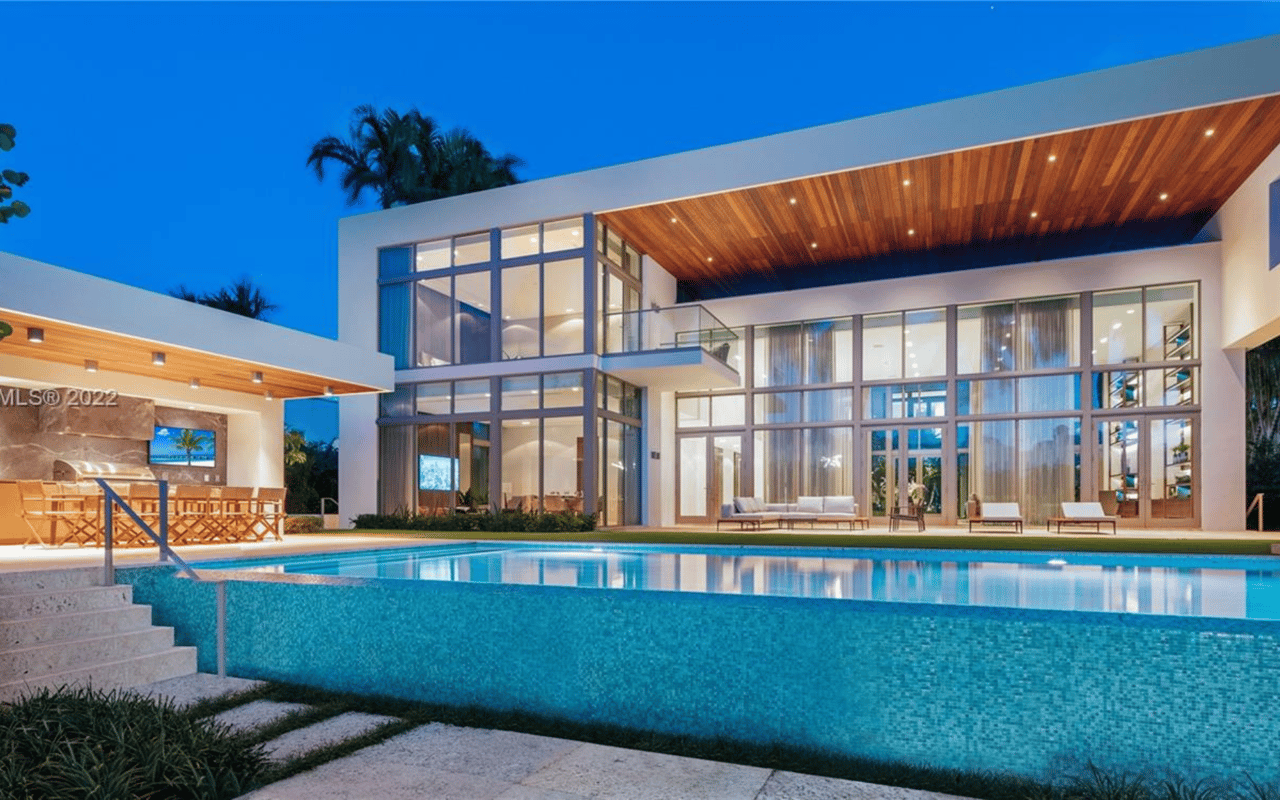
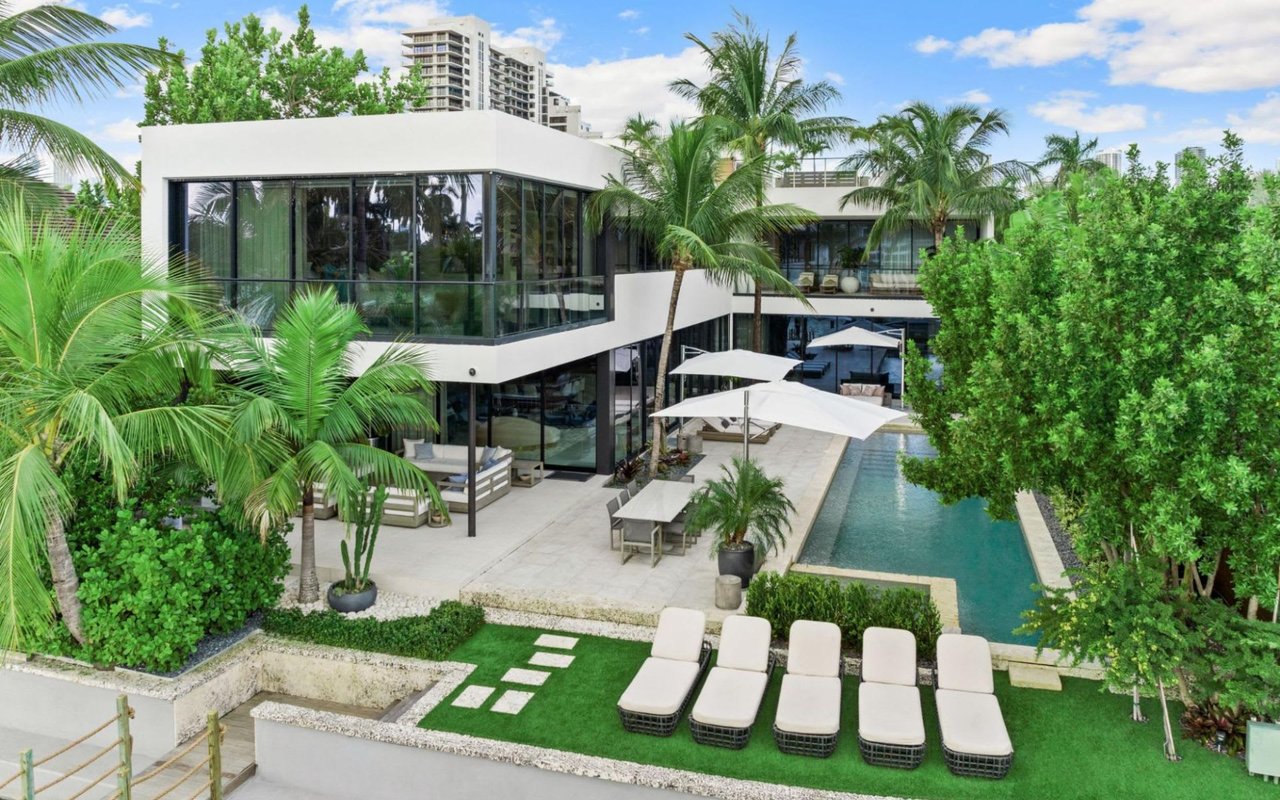
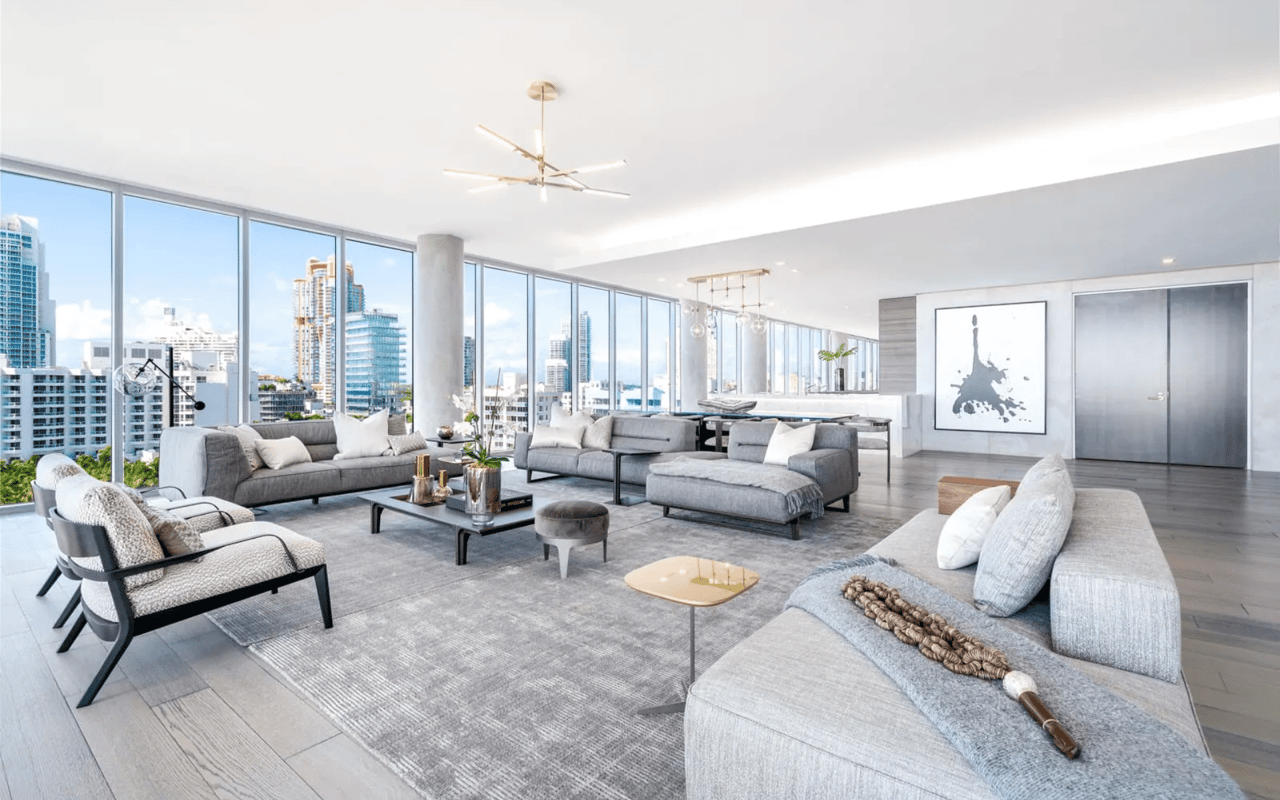
Condominiums are the dominant housing type along Collins Avenue and the beachfront. You’ll also see mid-rise and high-rise buildings, with some low-rise condos, townhomes, and a smaller number of single-family homes on the inland blocks. The market serves both full-time residents and second-home owners who value beach proximity and a walkable, small-town setting.
Ownership costs to plan for
Owning in a coastal, condo-centric town comes with specific line items. Build these into your due diligence:
- HOA or condo fees. Many buildings include exterior maintenance, insurance on common areas, landscaping, pool and beach services, and some utilities. Amounts vary by building and amenities, so review budgets and fee histories carefully.
- Insurance. Expect windstorm or hurricane coverage and, if in a flood zone, a separate flood policy. If you are buying a condo, understand what the master policy covers versus your unit policy. Check your flood exposure on the FEMA Flood Map Service Center and obtain quotes early.
- Reserves and structural condition. Request recent reserve studies, engineering reports, and association meeting minutes that discuss repairs or special assessments. Since the Champlain Towers South collapse in 2021, buyers and lenders pay closer attention to building recertification and structural integrity. For current rules and processes, consult the Town of Surfside and Miami-Dade County building departments.
- Property taxes and assessments. Review parcel history and assessed values through the Miami-Dade Property Appraiser, and ask about any pending special assessments in the building.
- Short-term rental rules. Policies depend on both town ordinance and individual condo bylaws. If you intend to rent seasonally or short term, verify regulations and minimum lease periods with the Town of Surfside and the association before you buy.
Surfside vs. Bal Harbour vs. Miami Beach
Scale and atmosphere
- Surfside is compact and calmer, with a strong neighborhood feel focused on daily living and the beach.
- Bal Harbour has a smaller residential base but an international luxury profile centered on high-end retail and resort properties.
- Miami Beach spans multiple districts with varied energy from quiet residential pockets to active tourism zones.
Retail and dining
- Surfside’s Harding Avenue emphasizes local boutiques and neighborhood dining.
- Bal Harbour is anchored by Bal Harbour Shops, known for luxury labels and fine dining.
- Miami Beach offers a broad mix, from local eateries to marquee restaurants and cultural venues. Learn more via the City of Miami Beach.
Real estate focus
- Surfside attracts buyers seeking proximity to the ocean in a walkable, low-key environment.
- Bal Harbour skews toward ultra-luxury condos and resort residences.
- Miami Beach serves a wide spectrum of investors, full-time residents, and second-home owners across its districts.
Buyer checklist for Surfside
Use this quick list to streamline your search and diligence:
- Confirm school zones and preferences with Miami-Dade County Public Schools.
- Request association documents: recent reserve studies, engineering reports, budgets, and meeting minutes.
- Obtain insurance quotes for wind and, if applicable, flood coverage. Verify flood zone on the FEMA Flood Map Service Center.
- Verify rental rules and minimum lease terms with the Town of Surfside and the condo association.
- Review tax history and assessed values via the Miami-Dade Property Appraiser.
- Compare HOA fees and included services across buildings before you focus your shortlist.
Ready to explore Surfside?
If you want a refined, walkable beach town with quick access to Bal Harbour and Miami Beach, Surfside delivers a focused, everyday coastal rhythm. You get small-town ease near world-class dining, art, and shopping just minutes away. For design-forward properties and clear guidance on building diligence, reserves, and insurance, speak with a team that knows these blocks building by building.
Book a private consultation with Carmenate / Duchon to tour top listings and align the right property with your lifestyle.
FAQs
Can you walk to the beach from most Surfside homes?
- Yes. The town’s narrow footprint means many residences are a short walk to the sand, though exact times vary by address.
How do Surfside condo fees typically work for owners?
- Fees vary by building and often cover common-area insurance, exterior maintenance, amenities, landscaping, and some utilities. Review budgets and recent increases before you buy.
Are short-term rentals allowed in Surfside condos?
- Rules depend on both town ordinances and each association’s bylaws. Verify policies and minimum lease periods with the Town of Surfside and the condo board in advance.
What should you know about insurance for Surfside condos?
- Expect separate windstorm and, if in a mapped flood zone, flood coverage. Review the condo master policy and obtain unit quotes early to understand true carrying costs.
How does shopping and dining in Surfside compare nearby?
- Surfside centers on local boutiques and cafés, while Bal Harbour is anchored by luxury retail at Bal Harbour Shops and Miami Beach offers a wider, city-scale dining scene.
What is the commute like from Surfside to Miami hubs?
- Travel times depend on traffic and route. Many residents use car or rideshare for downtown, Brickell, Wynwood, and the airport, with buses available along Collins and Harding Avenues.